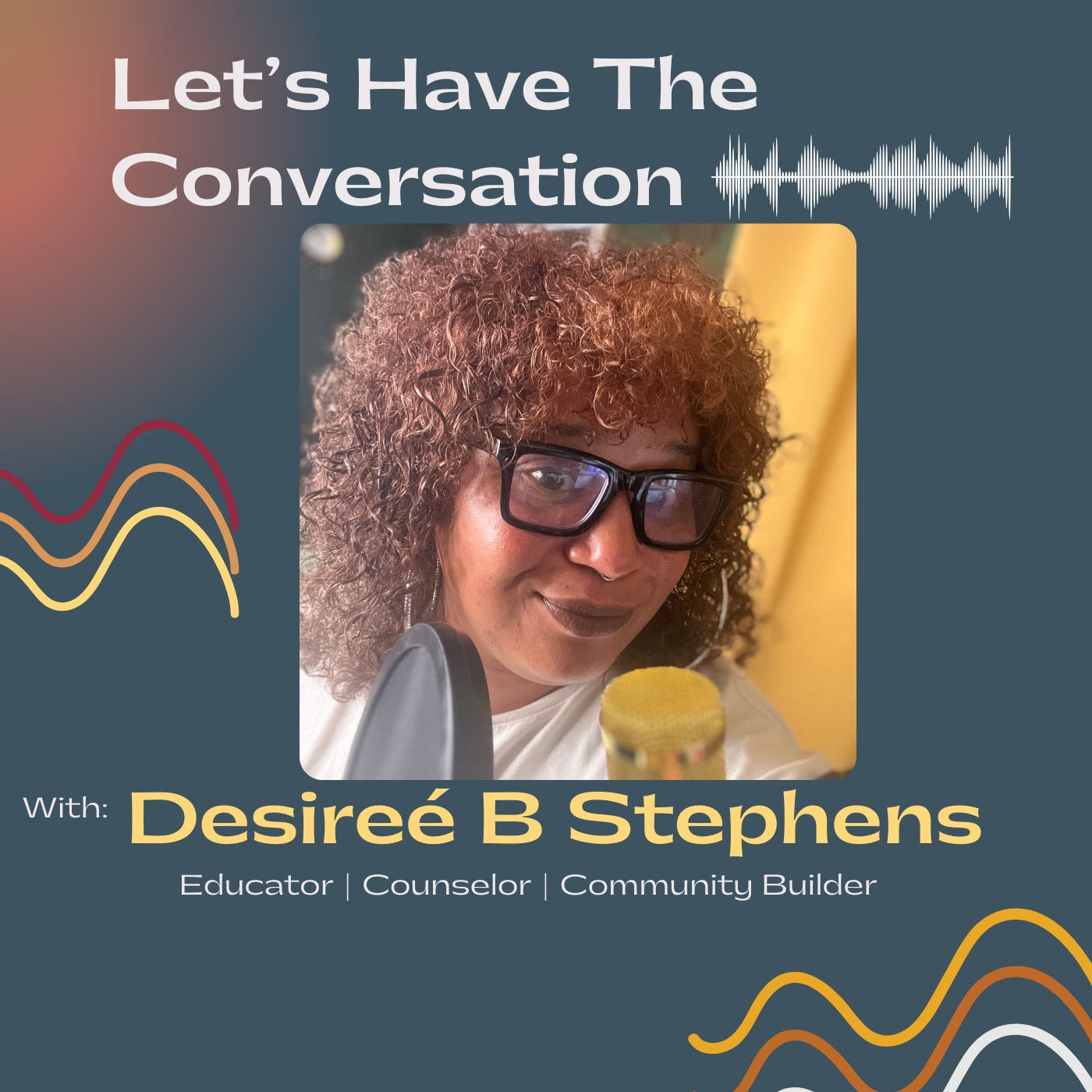
This live began with me naming my struggle: how to stay true to my September editorial plan (The Gilded Age: Then & Now) while also honoring the urgency of what’s happening in real time with Charlie Kirk’s murder and the internal violence of whiteness. I reminded us that flexibility is part of liberation work—because nothing is static.
The conversation unfolded around performative allyship, binaries, and the dangers of whiteness as both an external system and an internal war. We traced how cycles of supremacy repeat, how white women remain complicit alongside white men, and how allyship without depth is performative at best. We also unpacked why leaving supremacy culture is like leaving a domestic violence situation—it requires resources, safe community, and trauma care.
This was a heavy, nuanced conversation about binaries, multiple truths, and what it means to really confront the cannibalism of whiteness.
3 Key Takeaways
* Multiple truths exist at once. It can be true to mourn, to critique, and to refuse innocence, all simultaneously. Releasing binaries is core to decolonization.
* Performative allyship isn’t new. From the Gilded Age to today, empty gestures have upheld supremacy while avoiding deeper transformation.
* White people must confront intra-whiteness violence. Racism is the outward symptom, but the root is whiteness turning on itself. That’s where the most urgent work lies.
What we are witnessing right now is not just about Charlie Kirk’s death; it is about the exposure of whiteness eating itself alive. The headlines focus on racism and the “race war,” but the deeper violence is intra-whiteness. You are both Charlie and Tyler. Whiteness demands that you assimilate into one rigid mold — cis, het, Christian, patriarchal — and if you don’t, it devours you.
This is not new. The Gilded Age showed us the same cycles of performance: white women leveraging widowhood to gain power, white men scrambling to preserve their entitlement to land, wives, and legacy, and the masses distracted by public theater while violent hierarchies were reinforced behind the scenes. Performative allyship then, like now, masked complicity.
And here’s the hard truth I named in the live: there are no “good white people.” The system itself is designed to make that impossible. Even love, empathy, or individual kindness cannot undo a structure that positions whiteness as inherently harmful to the global majority. That doesn’t mean there’s no work to do; it means the work must move beyond binaries of “good” and “bad” into the harder question: what are you building to replace this system?
Leaving supremacy culture is like leaving domestic violence. You cannot just walk away. You need trauma care, resources, and safe community to land in. Black folks cannot build that landing for you while surviving the violence of whiteness. That task belongs to white-bodied people themselves: to create pathways out, to name bullshit when they hear it, to stop normalizing “harmless” rhetoric that seeds future violence.
This is where liberation work deepens: beyond condemning racism as an external act, into dismantling the internal wars and hierarchies whiteness demands of its own. Until that is confronted, every other conversation remains surface.
Practice Your Praxis™
Self:Notice where you cling to binaries in your own life, good/bad, right/wrong, ally/enemy. Ask yourself: where can I honor multiple truths at once without collapsing into guilt or defensiveness?
Home:Discuss with your family or close circle how whiteness shows up internally, not just externally. How are harmful narratives repeated inside your home, and what systems of care can you build to interrupt them?
Work:Call out performative allyship where you see it. That means naming when organizations make empty statements without resourcing structural change. Challenge your workplace to move from optics to actual accountability.
Somatic Support
Try a grounding exercise: place both hands on your body (one on your heart, one on your belly). Breathe into the truth that multiple things can be felt and held at once. Exhale the binary; inhale the complexity.
Journal Prompts
* Where do I default to binaries in my thinking?
* What truths about whiteness feel most difficult for me (or people around me) to name?
* How have I witnessed or participated in performative allyship? What would moving beyond it look like?
Liberation is not found in binaries or performances — it is found in the messy, layered, and often uncomfortable truths we are willing to face. You don’t need to hold it all perfectly; you only need to stay present with the work and keep asking the harder questions. Remember: supremacy thrives on silence and performance. Liberation thrives on courage and community.
Take a deep breath. Offer yourself compassion. Then, commit again to the practice of dismantling what harms and cultivating what heals.
Invitation to Go Deeper
Mondays are always free access… because everyone deserves to be part of this work. But if this conversation resonated with you, imagine what it feels like to go deeper each week.
When you become a paid subscriber, you’ll always recieve:
* Full replays all week long
* Practice Your Praxis© with actionable steps for Self, Home, and Work
* Somatic supports to anchor your nervous system in liberation
* Journal prompts to move reflection into transformation
* Exclusive Saturday Liberation Lessons my weekly teachings only for paid members
👉 Upgrade today for $8/month, $80/year, or $120/year as an Equity Partner.And as always, scholarships are available at Scholarships@DesireeBStephens.com.
In solidarity and liberation,Desireé B. Stephens, CPS-PEducator | Counselor | Community BuilderFounder, Make Shi(f)t HappenWriter of Liberation Education – Where Reflection Meets Transformation
Thank you Marg KJ, Melissa Durgin L.A.c., Abya Zambra, Ginge, Jeny Nussey, and many others for tuning into my live video! Join me for my next live video in the app.