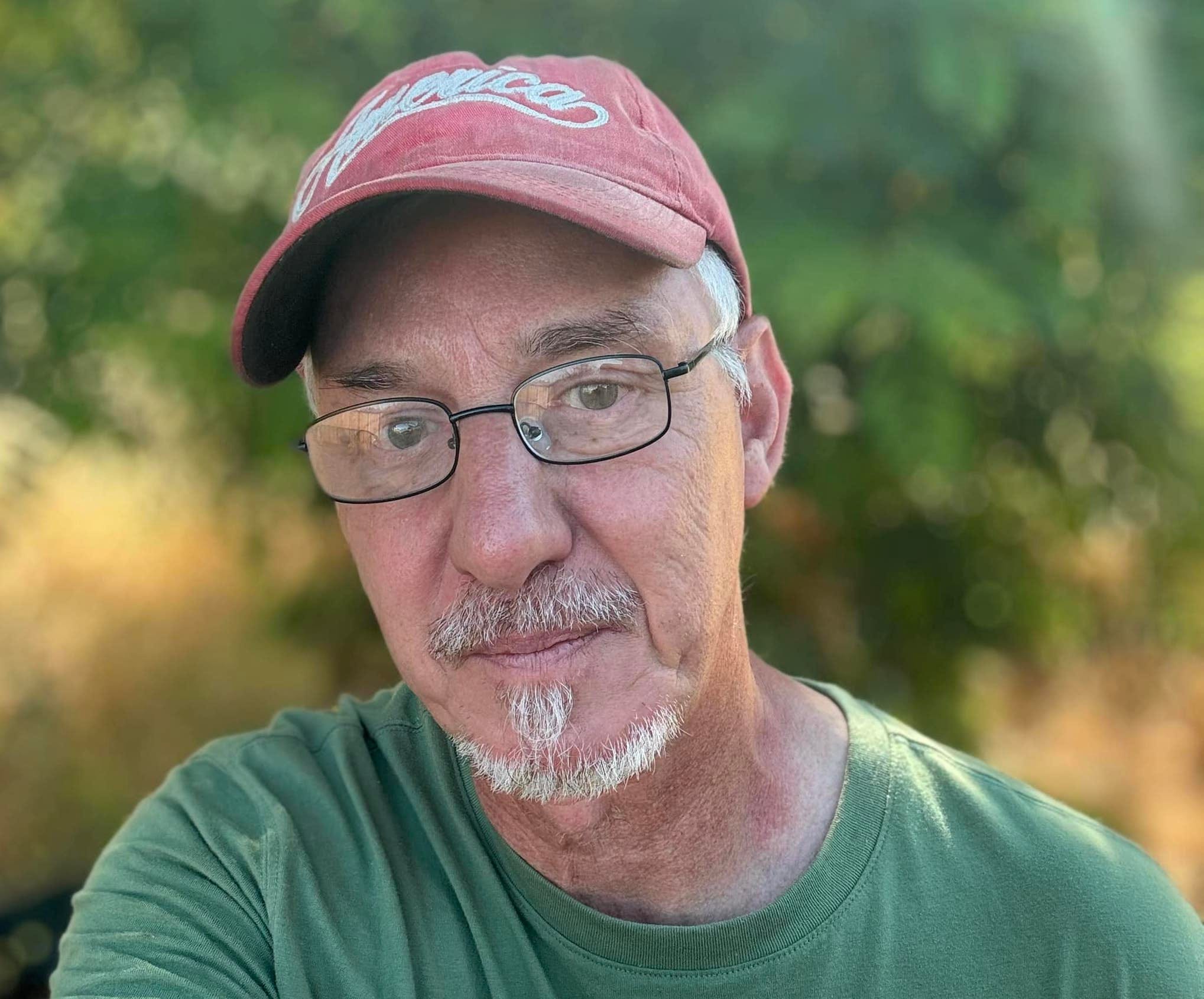
This week on the Enlightened Omnivore podcast, I finally tracked down a guest I’ve been trying to land for months.
Pascal Baudar wears a lot of hats: forager, brewer, ceramicist, photographer, survivalist. He’s one of those people who has spent much of his life examining and interacting with the natural world at ground level, sometimes on his hands and knees. He spends most of his time in the hills and mountains above LA, finding wild food, preserving it, making his art, and teaching classes to amateur foragers. Getting him to agree to this interview after several months of email, DMs, and texts felt like its own small triumph.
The resulting conversation was worth all the effort. It may very well rearrange the way you think about wild spaces from here on out in Southern California, or anywhere else for that matter.
Enlightened Omnivore is a reader-supported publication. To receive new posts and support my work, become a free or paid subscriber.
Pascal grew up in a tiny farming village in Belgium, and learned foraging from his grandmother. He realized that most local foragers learned their craft during times of conflict—like World War II—when systems broke down, and food was scarce. Fast forward to the beginning of the 21st Century, Pascal had his own anxieties around Y2K (anyone remember that?). Suddenly, he felt a real need to apply what he’d witnessed in his childhood. For the last quarter century, his fascination with foraging has permeated not only his diet, but also his profession, his art, and his philosophy on life.
Like the podcast? Please consider leaving a review wherever you listen. It helps so much.
Pascal calls himself a wildcrafter. For him, it’s not just about taking from the land. When he goes out into the field, he’s tending, observing, and engaging with the ecosystem in a way that’s more than transactional. It’s regenerative.
“At this point, my activity cannot be just sustainable. Sustainable is not good enough anymore. I want my activity to be beneficial to the environment.”
One of the most mind-bending parts of our conversation was when Pascal shared that he focuses his foraging on non-native. About 90% of what he harvests for food around LA are aliens. These “invasive” plants are often considered “problems” or “weeds,” but to Pascal, they are an abundant source of food—and not harvesting them is almost as criminal as throwing away a full dinner plate.
He’s just published a new book, Wildcrafted Seeds and Grains, which identifies more than 120 kinds of edible wild grasses right here in Southern California. Not one of them is available at the grocery store.
“The supermarket gives you the illusion of abundance. I can collect more edible plants and grains around Los Angeles than you will ever find at the biggest farmers’ market.”
Some of these grains make simple flours, while others taste like elegant, rare and nutty rice, or an exotic spice; all for the price of a few hours of picking.
In our hour-long chat, we covered a lot of ground:
* Why wildcrafting is, at its core, a game of food preservation—and how traditional techniques like lacto-fermentation, brewing, and vinegar-making become essential if you even want to try to incorporate more wild foods into your life.
* Attempting to eat only wild food for an entire year is a fantastic weight-loss program, but probably not all that practical for the average civilian.
* How his ancient porridge recipes are inspired by the archeological evidence of mummy-like “bog bodies” from Europe—and how he recreates those dishes today using plants growing in Los Angeles.
* The way he local microbiomes—wild yeasts and bacteria—can make truly natural wines, beers, and ferments that reflect the land they come from without all the chemicals of modern booze.
* How he collects clay from the land, firing it with ash, and serving food in bowls and bottles made from the very soil the meal grew out of, bringing a whole new dimension to the circle of life.
Pascal’s French accent and wonderful word choices might make you lean in a bit closer at times. If you’re listening and a sentence flies past you—trust me, it’s worth rewinding. Underneath the humor and the humility is a very clear, very radical message:
Our ancestors survived because they knew these plants. We’re might not if we don’t.
You may never go out and pick a single patch of nettle or a bunch of mugwort after hearing this episode. But after listening in, I suspect you’ll never look at a weed, a hillside, or even a crack in the sidewalk quite the same way again.
Because in the end, the wild isn’t somewhere “out there”—it’s been waiting for us in plain sight.
I Need Your Help
If this conversation sparks something—curiosity, inspiration, a sudden urge to google “dandelion recipes,” please consider a small form of reciprocity to Enlightened Omnivore:
* Share the episode with a friend who loves food, ecology, or history.
* Become a Paid Subscriber for 20% off: So I can keep bringing you these eclectic conversations on regenerative agriculture, wild foods, and the stories behind what we eat. Or give a Gift Subscription to a loved one.
* Buy Pascal’s Book: For that foodie who has everything, consider Wildcrafted Seeds and Grains, just published.
Let’s Stay Connected
* Follow along on YouTube, Instagram and TikTok for video content, reels, and behind-the-scenes thoughts. I’m also on Facebook and LinkedIn.
* Say hi on Substack Notes—I’m posting almost every day about my random reflections on life.
* Join me in Chat. It’s a space just for subscribers, kind of like a group text but less embarrassing. Download the app, tap the Chat icon (it looks like two speech bubbles at the bottom), and find the latest “Enlightened Omnivore” thread.
Enlightened Omnivore is a reader-supported publication. To receive new posts and support my work, consider becoming a free or paid subscriber.