Interview Summary
In a candid interview, Mayor Jacob Frey reflected on his motivation for seeking a third and final term as Minneapolis mayor, emphasizing his desire to demonstrate that democratically run cities can deliver results. After eight turbulent years marked by protests, public safety crises, and national scrutiny, Frey believes the city is turning a corner. He cited progress in housing, public safety, and government reform as signs of recovery and outlined his intent to finish key projects and ensure the next administration inherits a more functional city.
Frey defended his record by pointing to quantifiable successes, including record levels of deeply affordable housing and reforms in public safety. He argued against policies like rent control and defunding the police, insisting they are politically appealing but ultimately ineffective. Instead, his administration has focused on combining increased police staffing with expanded mental health response programs. Frey characterized himself as a progressive committed to results over ideology, willing to challenge both ends of the political spectrum in pursuit of effective governance.
He also addressed local economic challenges, particularly in areas like Uptown, where the city is working to create a safer, cleaner, and more vibrant foundation for small businesses. Initiatives like facade grants, artist storefronts, and added public safety presence are part of a broader strategy to spur economic development. Frey was realistic about the pace of recovery, promising visible progress this summer while cautioning that full revitalization will take time.
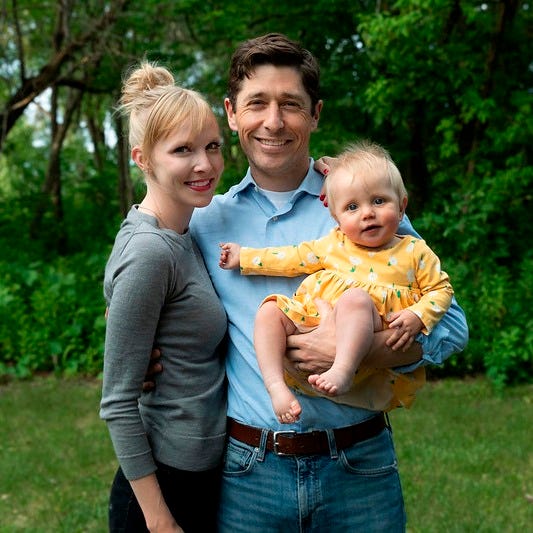
Looking to the future, Frey sees completing the shift to a “strong mayor” system as one of the most important—and least appreciated—changes of his tenure. He believes this reform will bring long-term clarity and effectiveness to city governance. Personally, he credits his wife and daughter with keeping him grounded and says his approach to leadership has matured significantly since taking office. As he campaigns for a final term, Frey presents himself as a steady hand, shaped by crisis and focused on practical, long-term solutions.