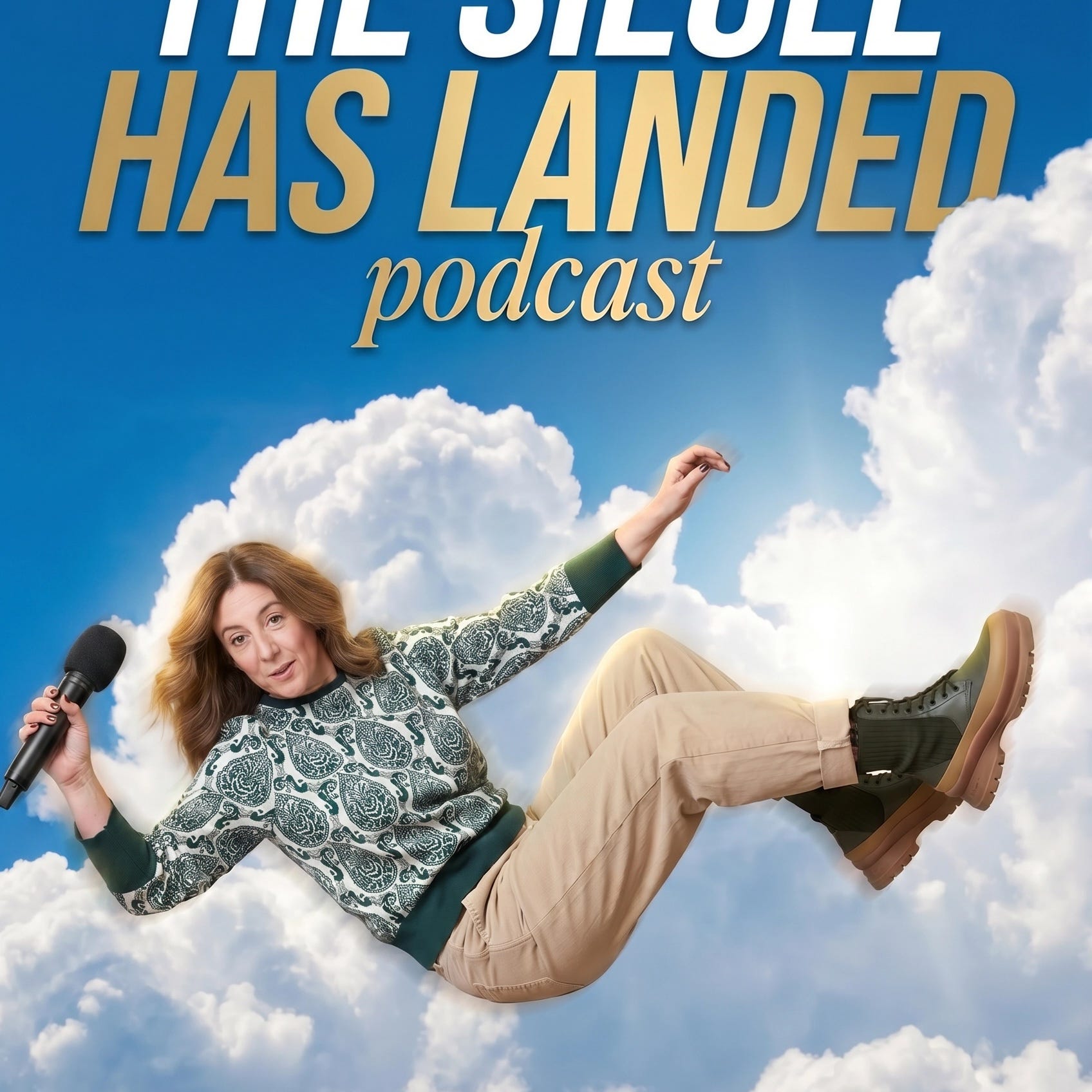
Thank you to the peerless Lisa Rinna for that on-brand introduction. I’m Lucy Siegle and I’m a journalist and broadcaster in the UK and a keen watcher of the media ecosystem. I also love a highlighter pen for the newsroom in my head. Today I’ve been deploying that highlighter on all of the life-giving lessons from the Democratic Blue Tsunami of the midterms.
The one thing I’m obsessed by is the amount of money that the Republicans set fire to by their toxic and endless investment in cultural conflict. An estimated one hundred eighty three million dollars went on anti trans television advertising alone. That’s something in the region of two hundred thousand plus adverts. And yet polling suggests only one in ten voters considered trans issues a leading election concern. So we can see a mismatch there from the off. But hey, blinded by the right?!
I'm also interested in what this could mean by the engine of culture war and wedge issue journalism that so much of our UK media ecosystem has relied on to drive traffic. I can see why it’s popular. It’s been a remarkably dependable source of content - find a grievance, manufacture or amplify a controversy, then you publish the backlash and then you can sort of rinse and repeat. To me it’s like the editorial equivalence of non-stop sugar consumption and I know something about that as well.
There’s also evidence that the thing that drove the midterms, will drive this agenda everywhere. Readers and audiences are more interested in really practical stuff.
How are they going to heat their homes? How are they going to pay for it? How are they going to protect their communities? How are they going to, from threats that we, you know, like cyber attacks? How are you going to have a resilient household? We’re being told to stockpile food, you know, that’s not nothing. And how are we going to navigate enormous technological change? So we don’t have the bandwidth to engage in furious side arguments about identity so much anymore. How are we going to cope with five successive heatwaves? What happens if you don’t have any air conditioning? are all really pertinent issues for people.
And there is a commercial question here as well as a political one. Because these stories have done a lot of work. They shift clicks, they generate social engagement and they sustain a pretty dependable roster of commentators, some of which have become really big names. But there are things, there are limits to that.
There’s things that they don’t do. And one of the things they don’t necessarily do is sustain audience growth or do the things that actually a lot of media brands think are really important because it translates into other stuff. They don’t build trust. So the question is, what happens if editorial brands have allowed that ideology,
that bucket, which we call cultural conflict, to shape too much of their content and their understanding of the world? Well, I think the backlash could be quite real. And I think that’s going to be very, very interesting. What do I think is going to happen? I think that we’re actually going to have to enter an era where we approach these things as grown ups. We have to look at the evidence. We have to understand what works. We have to deal with complexity and we’ve got to stop pretending that every disagreement is a civilizational emergency.
In short, the non-stop sugar consumption of identity coverage may be approaching its limit. That’s what I have come here to say. I really enjoyed the Blue Tsunami. I hope he did too. Oh, if you like discussing this sort of thing and if you really want to tell better stories, then check out my LANDED masterclass. The next one is on the 23rd of November.