This was supposed to be just a brief intro to the recording I made yesterday, but I ended up going on for a while…
Dao Anh Kahn’s penis valley: https://www.bbc.com/reel/video/p07b3fds/the-controversial-art-festival-deep-in-the-jungle
An article from Rolling Stone on empathy x wealth research:
“Wealth makes you less generous (lower-income individuals have been shown to give a greater proportion of their income than wealthier ones), less compassionate (people with more money and status report less distress when confronted with another person’s suffering), and more narcissistic. In a hilariously pointed study that was also included in the PNAS article, people primed to think of themselves as upper-class were more likely to take candy from a jar that they had been told was meant for kids in a nearby lab. In other words, they were more likely to literally steal candy from children…
When it came to determining the mechanism behind this antisocial shift, researchers hypothesize that socialization itself is key. Wealthy people tend to have more space, literally and figuratively. They spread themselves out into bigger homes, they send their children to less crowded schools, they interact less with the hoi polloi and even, research has shown, with members of their own social class. And they have less need to: Wealthy people are insulated from relying on the types of pro-social engagement that the rest of us need to survive and thrive in an interconnected world. For them, it does not take a village; it takes a staff…
If left unchecked, however, wealth-related disengagement seems to not be so great for a species for which pro-social cooperation is programmed into our hunter-gatherer DNA. Clay Cockrell, a psychotherapist who caters to ultra-high-net-worth individuals, tells me he thinks of great wealth as subtractive: It doesn’t really add to one’s happiness, but it does take away struggles that can make someone unhappy. Yet it’s subtractive in a different sense, too — contributing to isolation, paranoia, grandiosity, and risk-taking behavior, as well as a pronounced lack of empathy. “As your wealth increases, your empathy decreases. Your ability to relate to other people who are not like you decreases.… It can be very toxic.”
Social psychologist Michael Kraus, who participated in much of the Berkeley research with Piff, puts it even more pointedly: “You come to this idea that all of your thoughts and feelings matter, all your ways of interpreting the world matters, and everybody else is just kind of noise.… You just don’t care.””
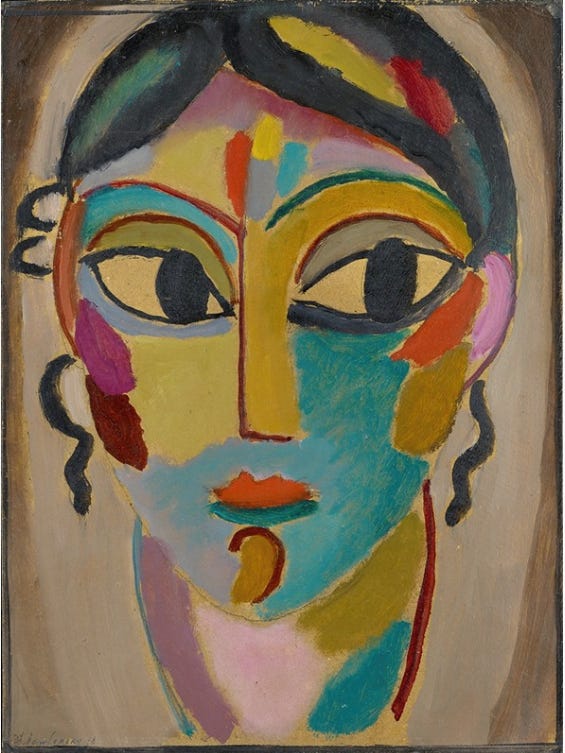
https://artvee.com/dl/mystical-head-head-of-a-girl-frontal#00