Why does the frontier myth refuse to die?
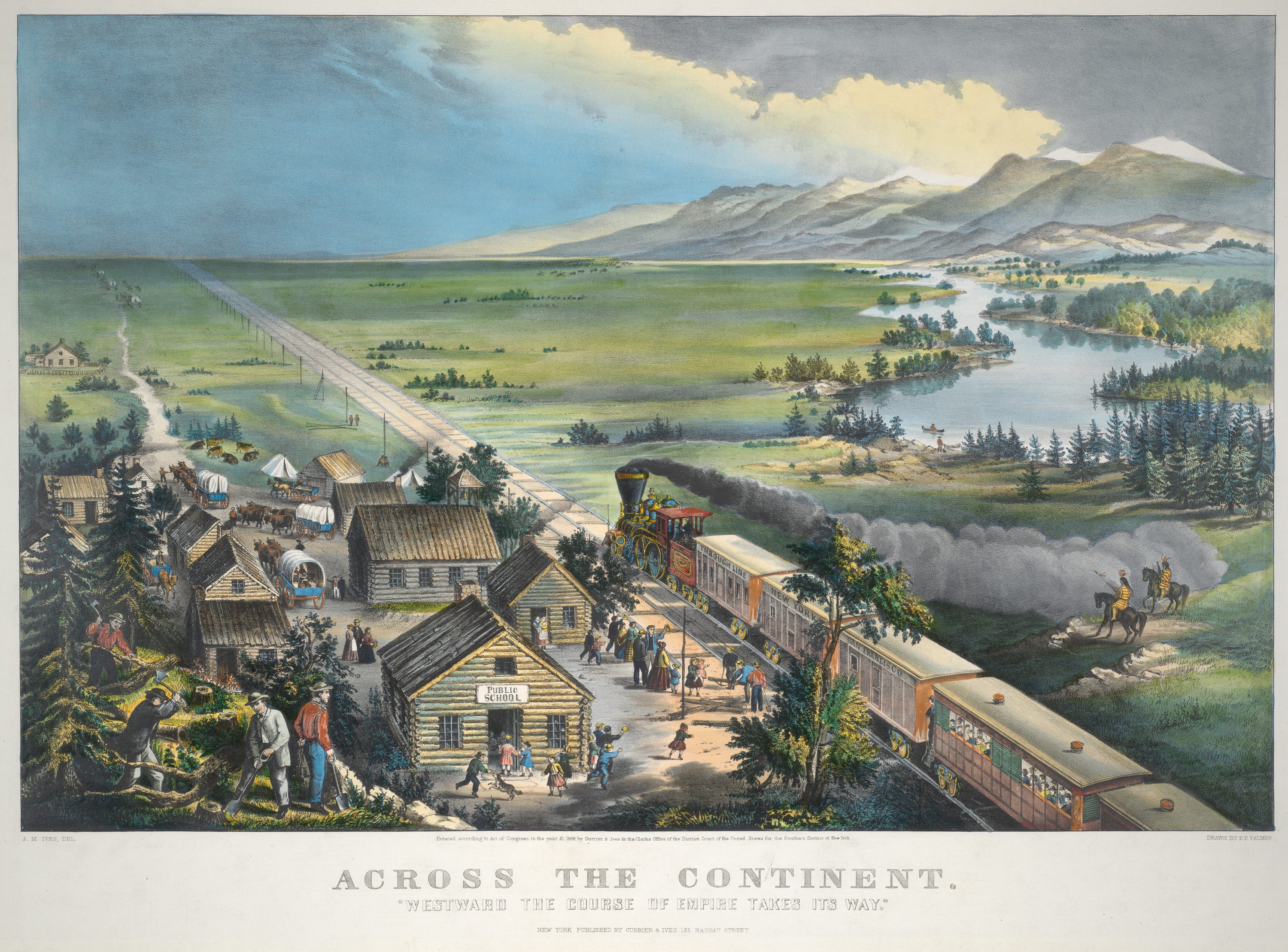
In this episode of Think Back, I speak with historian and writer Megan Kate Nelson about her new book The Westerners: Mythmaking and Belonging on the American Frontier. The book takes direct aim at one of the most durable stories Americans tell about themselves: the frontier myth, codified by Frederick Jackson Turner in 1893, which cast the westward march of white pioneers as the engine of American democracy. That myth, Nelson argues, has never really loosened its grip. When whole communities are erased from the national story, it becomes easier to treat them as un-American and to strip them of their rights.
To make that case, Nelson follows seven people traversing the 19th-century West, a cast that includes Sacajawea, the biracial fur trader Jim Beckwourth, the Hispanic gambling-saloon empire-builder María Gertrudis Barceló, the Northern Cheyenne chief Little Wolf, the Chinese immigrant Polly Bemis, and the Canadian-immigrant rancher Ella Watson. Together they reveal a West initially defined less by conquest than mobility, cultural encounters, and radical possibility, a place where people on the margins of society often found real opportunity, until the advance American law and settlement foreclosed those futures for good.
Nelson’s West was not a paradise of pluralism, but genuine possibilities existed there—for women, for people of color, for those living across cultural boundaries. The frontier myth distorts our understanding of the past, but it also limits our imaginations when it comes to the present and the future.
Music for this episode: “The Union,” by Louis Moreau Gottschalk, performed by Akiko Sasaki; “Reel Delisle,” by Joel Zifkin; interlude by Zachary Solomon