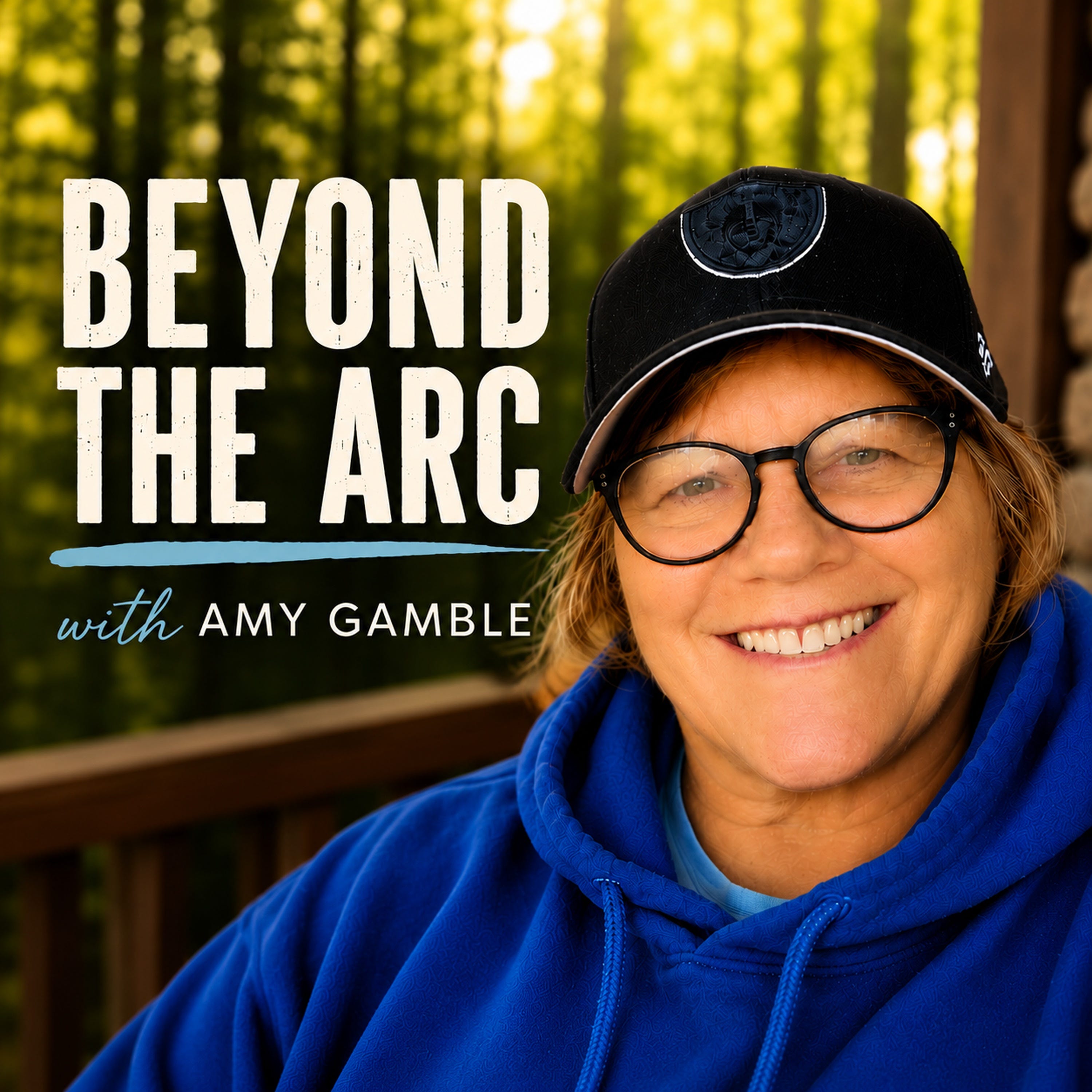
As the sun’s rays shine through my kitchen window, I am reminded of something I learned on my very long journey of healing and recovery.
The heart heals when we stop resisting.
It came to me this morning as an aha moment while I was creating content for my Amazon listing for Driving My Way Through Grief. I’m an independently published author, which is also code for DIY (do it yourself).
DIY is awesome when you’re doing the things you love. But when it comes to publishing a book, there are so many facets involved. To tell you the truth, writing is the easiest part for me. I absolutely love stringing words together, as my mom’s friend Jack used to say. It’s so much fun to see your thoughts come alive on a page.
The sentences might not be perfect prose. The narrative pacing may be too fast. The sequencing in an essay collection might need another look. The scenes may need more showing and less telling. But at the end of the day, it’s not perfection that matters.
And this has been an important lesson for me.
So many people become paralyzed by perfection that their contributions never get seen. And that’s a shame. Because there are brilliant writers out there, along with people who have tremendous value to add to the world, who never put their work out there.
It’s scary to be vulnerable. At least at first. And it’s not trite to say the first step is often the hardest. That’s why an essay I wrote about a sticky note I created nearly a year ago keeps resonating so loudly with me this morning. Two simple words. Just Try.
I’ll share something with you. I wanted to create videos, do podcasting, write books, and stand on stages again. Yet I was afraid. I was limiting myself because I kept thinking: When I lose 40 pounds, then I’ll feel comfortable speaking on stages again. When I build up my subscribers, then I’ll feel better about spending all this time writing. When I get to... (fill in the blank).
Sometimes in life, the arrival of when I get to never comes. We can keep trying, seeking knowledge, and improving our skills, but life doesn’t fit into a nice, neat, perfect box. It’s not linear. As humans, we don’t fit particularly well into geometric equations of if this, then that.
And I’ve come to understand something else. Sometimes the very things we’re resisting are the things that could help us grow. We resist vulnerability because we’re afraid of being judged. We resist trying something new because we’re afraid of failing. We resist putting ourselves into the world because we don’t believe we’re quite ready. And sometimes, without even realizing it, we resist our own possibilities.
Thanks for reading Beyond the Arc: Reflections on Resilience, Identity, & Life! Subscribe for free to receive new posts and support my work.
Last October, I set an intention to dip my toe in the water and create some content. I was shocked by how it was received. But I did something interesting for me. I stopped looking at metrics so obsessively. I stopped criticizing my own writing. And most importantly, I began to trust myself and my own judgment, knowing full well there will be people who look at my body of work and find my mistakes.
Of course they will. I’m human.
And I understand the tendency to critique and criticize very well because I’ve spent plenty of time doing it to myself. That internal critic can be relentless. She can identify every flaw, every possible failure, and every reason something might not work before I’ve even begun.
But there’s a difference between evaluating our work so we can improve and criticizing ourselves so harshly that we never get started. One helps us grow. The other keeps us standing still.
It reminds me of Theodore Roosevelt’s famous Man in the Arena speech, delivered in Paris in 1910. He said, “It is not the critic who counts; not the man who points out how the strong man stumbles.” And later, he praised the person “who is actually in the arena, whose face is marred by dust and sweat and blood.”
I’ve always loved the spirit of that speech. Because it’s so easy to sit on the sidelines and evaluate what someone else is doing. It’s another thing entirely to step into the arena, put yourself on the line, and let the chips fall where they may. And as an athlete, I understand this very well.
Imagine being in the starting blocks at a track meet. The race official says, “On your mark... get set...” And suddenly you stop him. “Oh, wait a minute. I should have different shoes. My shorts are too tight. My shirt doesn’t match. My hair is a mess. I should have lost ten pounds. I’m not going to win anyhow.” And then you just walk right off the track. You never even give yourself the chance to run.
I’ve done this in life. More than once. But I’ve also stayed in those blocks and started the race. I’ve fallen down and gotten back up. I’ve also won. A lot. And the older I get, the more I realize that winning isn’t always about crossing the finish line first. Sometimes winning is simply having the courage to start.
So what does all of this have to do with the heart healing when we stop resisting?
Well, I think it has everything to do with it. Because that internal critic who keeps us from reaching for our dreams is often the very part of us that’s hurting. The part that needs compassion instead of condemnation. The part that needs encouragement instead of another lecture about everything we’ve done wrong. The part that needs us to speak to ourselves with the same kindness we would offer someone we love.
And as I’ve reflected this morning on my grief journey after losing my mom and best friend, I’ve come to recognize how deeply this lesson applies to sorrow, too. Grief doesn’t follow a predictable path. It doesn’t operate on a schedule. And it certainly doesn’t respond to our demands that it hurry up and leave us alone.
For a long time, I wanted to find my way out of the pain. I wanted to understand it, make sense of it, and somehow get to the other side. But somewhere along those 60,000 miles of driving, I began to understand something.
I didn’t have to stop missing my mother to appreciate a beautiful sunrise. I didn’t have to stop feeling sadness to laugh at something ridiculous. And I didn’t have to wait until I was completely healed to begin living again. Joy and sorrow can exist at the same time. So can laughter and tears. So can gratitude and heartbreak.
One of the most important lessons I’ve learned has been the power of peacefulness. And peacefulness, for me, has not meant the absence of difficult emotions. It has meant learning to quiet the inner critic. Learning to stop fighting every uncomfortable feeling. Learning that I don’t have to solve everything, understand everything, or control everything before I can experience a moment of peace.
Once that critical voice became a little quieter, I found myself more willing to step into the arena. I may still be scared. I may have doubts. I may stumble, make mistakes, or discover that something I tried didn’t work. But I keep going.
And when sorrow comes, as it inevitably does, I’m learning that I don’t have to push it away. I can let it come. I can miss my mother. I can cry. I can remember. And I can still find something beautiful in the day.
That’s what I mean when I say the heart heals when we stop resisting. Not that we stop experiencing sorrow, sadness, pain, or suffering. But that we stop demanding that those feelings disappear before we give ourselves permission to live. We allow them to flow through us rather than spending all our energy trying to hold them back. We make room for what hurts. And we make room for what heals.
There are so many gifts along the pathway when we choose to live more freely. Some arrive as spectacular sunrises. Others come through unexpected conversations, moments of laughter, or the simple courage to try something we’ve been afraid to do. And sometimes the gift is discovering that we are capable of carrying sorrow and joy in the very same heart.
My hope is that you’ll find one way to take a step…