⚠️ This episode contains discussion of cancer treatment, radiation, and survivorship anxiety.
Welcome back to In the Loop with Nadja Wlasiuk!
If you listened to Episode 10, you remember when Nick shared his rare cancer diagnosis. That episode held a lot of uncertainty. We didn’t know exactly how treatment would unfold. We just knew life had changed.
In today’s episode our conversation feels different.
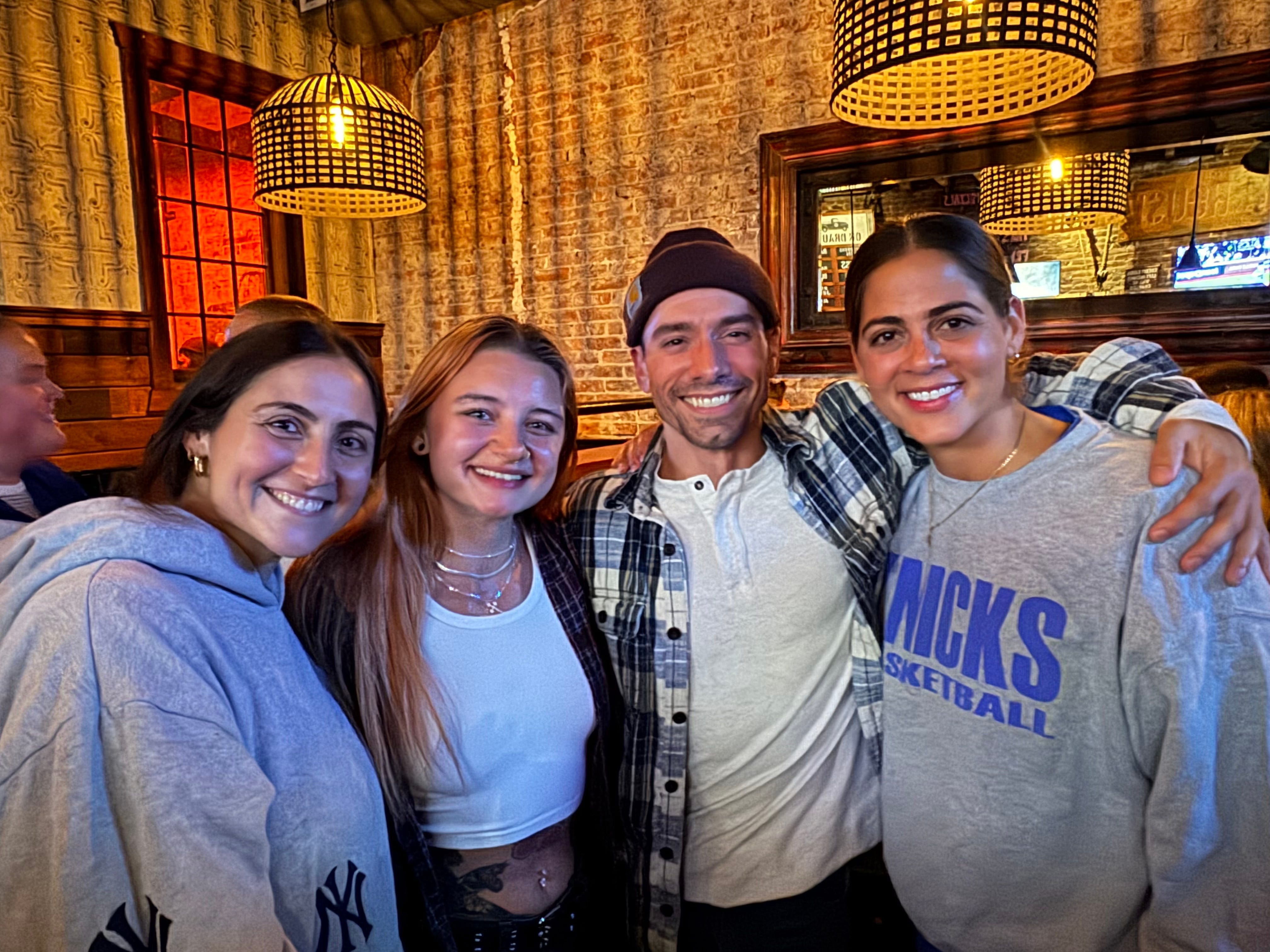
Nick and my daughter, Lydia, are home after completing treatment in New York at Memorial Sloan Kettering consisting of six weeks of chemotherapy and radiation, including proton therapy. As a clinician, I understand the treatment plan, the radiation dosing, the surveillance scans. But as a mom, I experienced this in a very different way.
This episode is about what happens when the appointments slow down. When the scans are clear. When everyone says, “You’re done.”
Because sometimes that’s when the fear shows up. Sometimes that’s when the side effects peak. Sometimes that’s when you realize you look different, feel different, and have to renegotiate what normal means.
We also talk about Lydia’s experience, not just as a partner, but as a person navigating her own emotional reality while supporting someone she loves.
This isn’t just a medical story. It’s a human one.
Nick and Lydia, I’m so glad you’re home.
🎧 Missed the Beginning? Listen to Episode 10: https://intheloopwithnadja.substack.com/p/episode-10-nick-and-the-rare-cancer
Honey Hounds: https://www.honeyhoundsmusic.com/
In This Episode We Discuss:
* What daily radiation actually feels like
* Proton therapy vs photon radiation
* Delayed side effects after treatment completion
* Chemotherapy-related tinnitus and fatigue
* Radiation effects on nasal tissue and hair follicles
* Circulating tumor DNA (ctDNA) testing
* Surveillance imaging and scan anxiety
* Fear of recurrence
* The emotional transition into survivorship
* The partner experience — and why caregivers deserve space too
What is proton therapy:
Proton vs Photon Therapy: https://www.moffitt.org/taking-care-of-your-health/taking-care-of-your-health-story-archive/proton-radiation-therapy-vs.-photon-radiation-therapy-for-standard-care
What is circulating tumor DNA (ctDNA)?
ctDNA testing looks for fragments of tumor DNA in the bloodstream and is increasingly being studied as a tool for detecting minimal residual disease and monitoring recurrence.
The Transition from Treatment to Survivorship
Many patients report that the weeks following treatment completion can be emotionally complex. Fear of recurrence, delayed side effects, and identity shifts are common. Surveillance typically includes:
* Scheduled PET scans and MRIs
* Physical exams
* Symptom monitoring
* Ongoing specialty follow-up
Cancer Survivorship: https://www.cancer.org/cancer/survivorship.html
Managing your emotions after cancer treatment: https://www.mayoclinic.org/diseases-conditions/cancer/in-depth/cancer-survivor/art-20047129
https://www.cancer.org/support-programs-and-services.html
For Partners & Caregivers:Supporting someone through cancer affects you too. Explore caregiver support resources here:
https://www.cancer.org/cancer/caregivers.html
https://www.cancercare.org/tagged/caregiving
Survivorship is not a finish line.
It is a new phase-one that requires vigilance, resilience, and often a recalibration of what normal looks like.
Thank you for being here for this part of the journey.
Produced by: Nadja Wlasiuk, DNP, APRN, FNP-BC, CCK