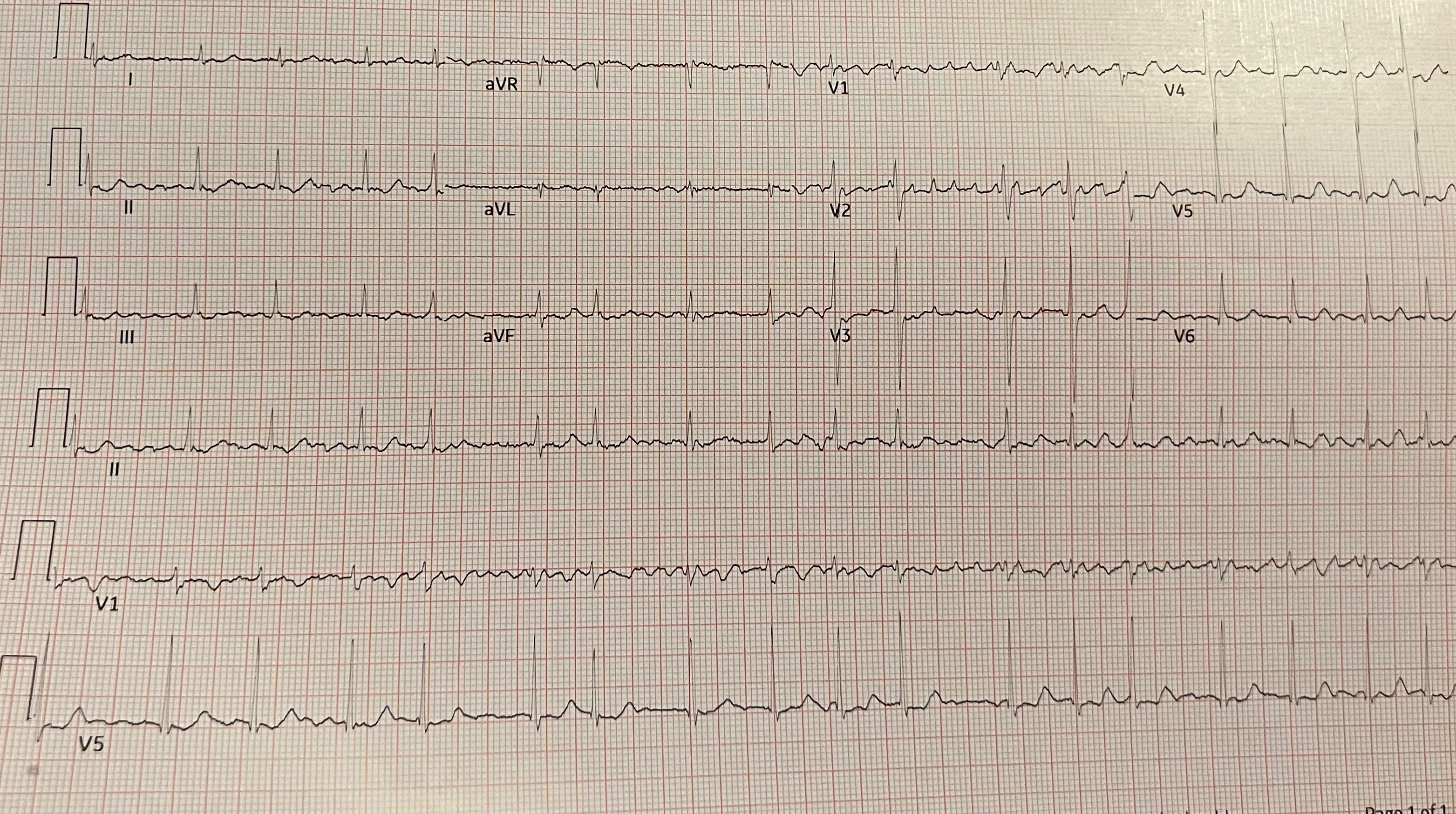
Welcome back to In The Loop with Nadja Wlasiuk. In this episode, we are diving into a rhythm that affects millions of people worldwide, atrial fibrillation. Atrial fibrillation, or AFib, is the most common heart rhythm problem that we see.
In the United States alone, more than 5 million people are living with it, and that number is expected to double or even triple by 2050. It accounts for a huge portion of hospitalizations and long-term medication use, and it can have major impacts not just on health, but on quality of life. So if you're a patient who's just been diagnosed and feeling overwhelmed, or you're a family member trying to understand what's happening to your loved one, or if you're a nurse, nurse practitioner, or healthcare provider who wants a clear evidence-based resource to share with patients or just to refresh your own knowledge, this episode is for you.
I'm going to walk you through what atrial fibrillation is, why it matters, and the different ways it can be treated, from medications to ablation to lifestyle changes.
My hope is that if you're a patient, this can be something you come back to after a clinic visit when you need a refresh, because I know it's hard to absorb everything all at once. This podcast is for education and information only. It is not a substitute for your own medical care. Please talk with your health care provider about your own individual situation.
I am so excited about this episode on atrial fibrillation because it's almost like you're going to be with me in a visit with someone learning about atrial fibrillation for the first time. This is, again, entirely for informational and educational purposes. This is not medical advice. And if you have atrial fibrillation or you know someone who has atrial fibrillation and needs specific medical advice,
Please seek out the expertise of a healthcare provider that knows you.
Atrial fibrillation (AF or Afib):
https://www.ucsfhealth.org/conditions/atrial-fibrillation
https://upbeat.org/patient-resources
Symptoms:
Fatigue, shortness of breath at rest or with activity, palpitations, dizziness, lightheadedness, chest tightness
Duration:
* Paroxysmal: lasting less than 7 days and self converting
* Persistent: lasting longer than 7 days or requires outside conversion
* Longstanding persistent: lasting longer than 12 months
* Permanent: No further attempt for rhythm control
Risks:
* Stroke
* Tachycardia or Arrhythmia mediated cardiomyopathy
* Heart failure and Heart failure hospitalizations
* Cognitive decline/Dementia
Treatment Goals:
* Prevent stroke
* Rate Control
* Rhythm Control
CHA2DS2-VASc Score
* Congestive Heart Failure 1
* Hypertension 1
* Age 75 or older 2
* Diabetes
* Stroke/TIA/blood clot 2
* Vascular disease: MI/PAD/aortic plaque 1
* Age 65-74 1
* Sex- female 1
Atrial fibrillation Guidelines: https://www.ahajournals.org/doi/epub/10.1161/CIR.0000000000001193
Anticoagulants:
* Vitamin K reductase inhibitor
* warfarin or Coumadin-cheap, requires frequent monitoring, diet can affect therapeutic levels
* Direct Oral Anticoagulants or DOACs-can be quite expensive
* Factor Xa inhibitors
* apixaban or Eliquis-twice daily
* rivaroxaban or Xarelto-best with high calorie meal; once daily
* edoxaban or Savaysa-limited use In patients that are younger and healthier with high renal function
* Direct Factor IIa inhibitor
* dabigatran or Pradaxa-loses efficacy when exposed to moisture-keep In original packaging until administration
* Left atrial appendage closure
Rate Control
* Beta blockers
* selective: metoprolol, atenolol, bisoprolol
* non-selective (not ideal for patients with asthma/COPD): propranolol and carvedilol (also alpha blocker good for HTN/CHF)
* Calcium Channels Blockers
* Digoxin
Rhythm control
* Medications-Vaughan Williams Classification
* Flecainide and propafenone
* Class IC
* contraindicated in structural heart disease CAD/HFrEF
* can be ventricular prorhythmic and should be administered with beta blocker or calcium channel blocker
* Sotalol and dofetilide
* Class III
* started inpatient for monitoring of QT interval prolongation leading to possible Torsades de Pointes
* Amiodarone and dronedarone
* Broad spectrum but labeled Class III
* dronedarone lacks iodine therefore less toxicity but contraindicated in acute heart failure
* long half life
* requires loading
* long term use can lead to toxicity involving the liver, lungs, thyroid, eyes, and skin
* routine surveillance required
* Cardioversion
* Chemical-using medications pill in pocket or daily
* Direct current cardioversion- an electric shock
* Catheter ablation-Check out Episode 2 for more Information about the electrophysiologist who pioneered this technology
* Pulmonary vein isolation-Spontaneous initiation of atrial fibrillation by ectopic beats originating in the pulmonary veins
* Cryoablation
* Radiofrequency
* Pulsed Field Ablation
* https://www.ucsfhealth.org/treatments/catheter-ablation
* https://www.ucsfhealth.org/education/faq-electrophysiology-study-and-catheter-ablation
* https://www.ucsfhealth.org/education/preparing-for-an-ep-study
* Risks of ablation
* < 1% chance of heart attack, death, stroke
* most common is bleeding or bruising at the groin access site
* less common-pulmonary vein stenosis, phrenic nerve injury, esophageal injury, nerve injury at the groin site, bleeding around the heart or lungs, pacemaker implantation
* May require more than ablation
Risk Factors:
* Non modifiable
* Age
* Genetics
* Modifiable
* Hypertension/High Blood Pressure
* Diabetes
* Obesity
* https://www.melrobbins.com/episode/episode-281/
* Sleep apnea
* https://www.ucsfhealth.org/conditions/sleep-apnea
* Relationship between sleep apnea and Atrial Fibrillation:
https://www.sciencedirect.com/science/article/pii/S1547527123021811
* Tobacco use
* Caffeine/stimulant use: coffee-does not increase afib risk but stimulants and energy drinks can
* https://www.ucsf.edu/news/2021/07/421086/coffee-doesnt-raise-your-risk-heart-rhythm-problems
* Alcohol use
* https://www.ucsf.edu/news/2021/08/421341/alcohol-can-cause-immediate-risk-atrial-fibrillation
* Marijuana use
* Sedentary lifestyle
* Stress
There is no cure for atrial fibrillation just excellent management
Long term monitoring with a wearable monitor like an AppleWatch/Garmin/FitBit or a device to spot check like the Kardia device. Blood pressure cuffs and pulse oximeters are less accurate for rhythm and rate surveillance.
Produced by Nadja Wlasiuk, DNP, APRN, FNP-BC