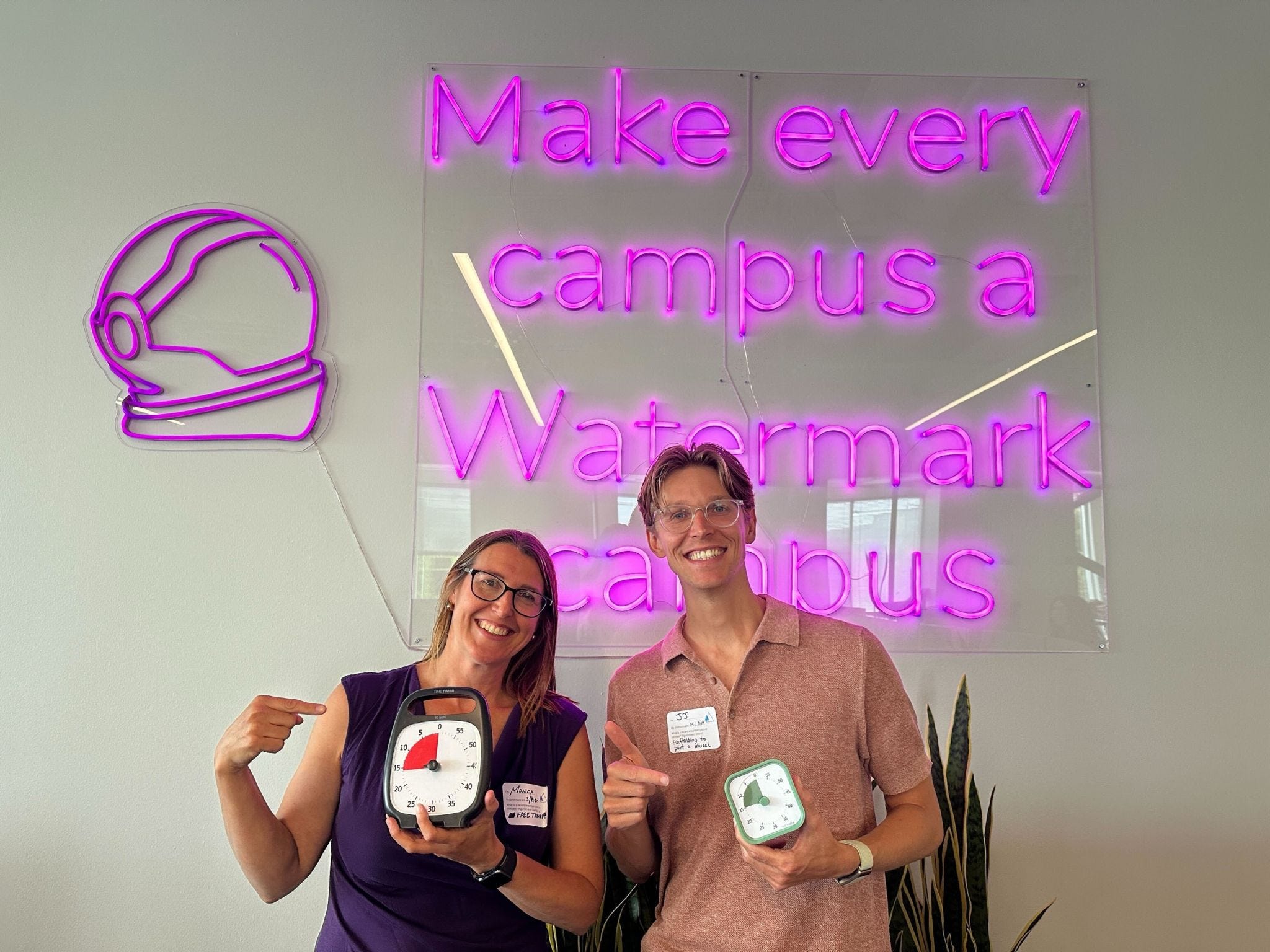
I know, you thought I was saying the F dash dash dash word. But if you look closely, there are 4 asterisks! It’s because this week I’m helping you understand how to “FRAME TIME!” As I like to say, it's “about time” we talked about this!
In case you listened or read my last post, yes this is one of those pre-written posts and pre-recorded podcasts. It’s the last one I batched before heading out to the Voltage Control Facilitation Lab Summit.
Setting the Stage: The CONFAB Framework
In this series on meeting effectiveness, I've been walking through my CONFAB framework:
* Clarify your goals, purpose well stated.
* Open engagement, keep all captivated.
* Navigate the agenda, well prepared and clear.
* Frame time wisely, keep efficiency near.
* Annotate with visuals, ideas that last.
* Bring key takeaways, action items cast.
We've covered a lot already. This week, it's all about the "F": framing time wisely!
Timeboxing: Why It Matters
I'm a HUGE believer in timeboxing. If I had a superhero name, it might be The Timeboxer! But why is it so important? Because it:
* Prevents unproductive discussions
* Keeps discussions on track
* Helps avoid irrelevant topics
* Increases productivity, organization, and decision-making
As Arianna Huffington from Thrive Global wisely said:
"In a world where you can be anything, be the person who ends meetings early."
The Meeting Ladder: Prioritize and Conquer
Last week (post here), I talked about using the Eisenhower Matrix (urgent vs. important) to categorize meeting topics. Now, I'm building on that with my own concept: the Meeting Ladder. This helps you allocate time strategically:
Bookends: I start with a 5-minute opener and end with a 5-minute closing for takeaways and action items. This creates structure and accommodates late arrivals/early departures.
Critical Discussions (Important & Urgent): Allocate 50-60% of meeting time to these.
Strategic Discussions (Important, Not Urgent): Dedicate 20-30% of time to these. For example, gathering information about potential blackout dates when launching a product as you incrementally make decisions on a longer term launch project. This isn't urgent, but it's important to keep these discussions active!
Burning Topics (Urgent, Not Important): Allocate approximately 10% of the meeting time to these. If a participant introduces a pressing issue demanding a significant portion of the meeting (e.g., 15 minutes in a 30-minute meeting), it's crucial to re-evaluate the meeting's purpose. Often, the individual will recognize the need for a separate, focused discussion to ensure the meeting remains centered on its original objectives with the appropriate attendees. In some cases, you might decide to adjust the meeting's purpose and reprioritize the agenda dynamically.
Delegated Topics (Not Important, Not Urgent): Give these less than 5% of time. Instead of discussing them in the meeting, delegate them to a smaller group or address them asynchronously with a quick video.
Timeboxing in Action: Practical Tips
Here's how I personally timebox meetings:
Know Your Percentages: Have a general idea of how much time to allocate to each category.
Create a Hidden Agenda: On a separate piece of paper, write out the topics, the time you'll spend on each, and the *actual* start time for each segment. This helps you stay on track without overwhelming participants.
Handling Conflict
What happens when someone wants to dominate the meeting with a "burning topic"? Gently remind them of the meeting's purpose and ask if it needs to shift. If not, offer a brief discussion to determine next steps, which may involve a separate meeting with a smaller group.
The Asynchronous Advantage
For delegated topics or questions that aren't relevant to the entire group, offer to create a quick Loom or Zoom video explanation. This addresses the individual's needs without derailing the meeting.
Key Takeaway
Timeboxing is a game-changer! By prioritizing topics and allocating time strategically, you can transform your meetings from unproductive time-sucks into focused, efficient sessions that drive results.
More Ways to Connect & Learn
Voltage Control Meetups: Check out Voltage Control to find a regional meetup near you! I lead the Facilitation Lab Grand Rapids – join us on February 28th at Squibb Coffee and Wine Bar! Register so we know you’re coming!
BREAKING NEWS: I just released my step-by-step guide to effective meetings. You can download it for free here!
#MeetingEffectiveness #Facilitation #LeadershipDevelopment #ProductivityTips #TimeManagement
Whenever you're ready, I can help you with:
* Workshop design and facilitation
* Facilitation and workshop training
* Intention setting, planning, and incremental progress for success