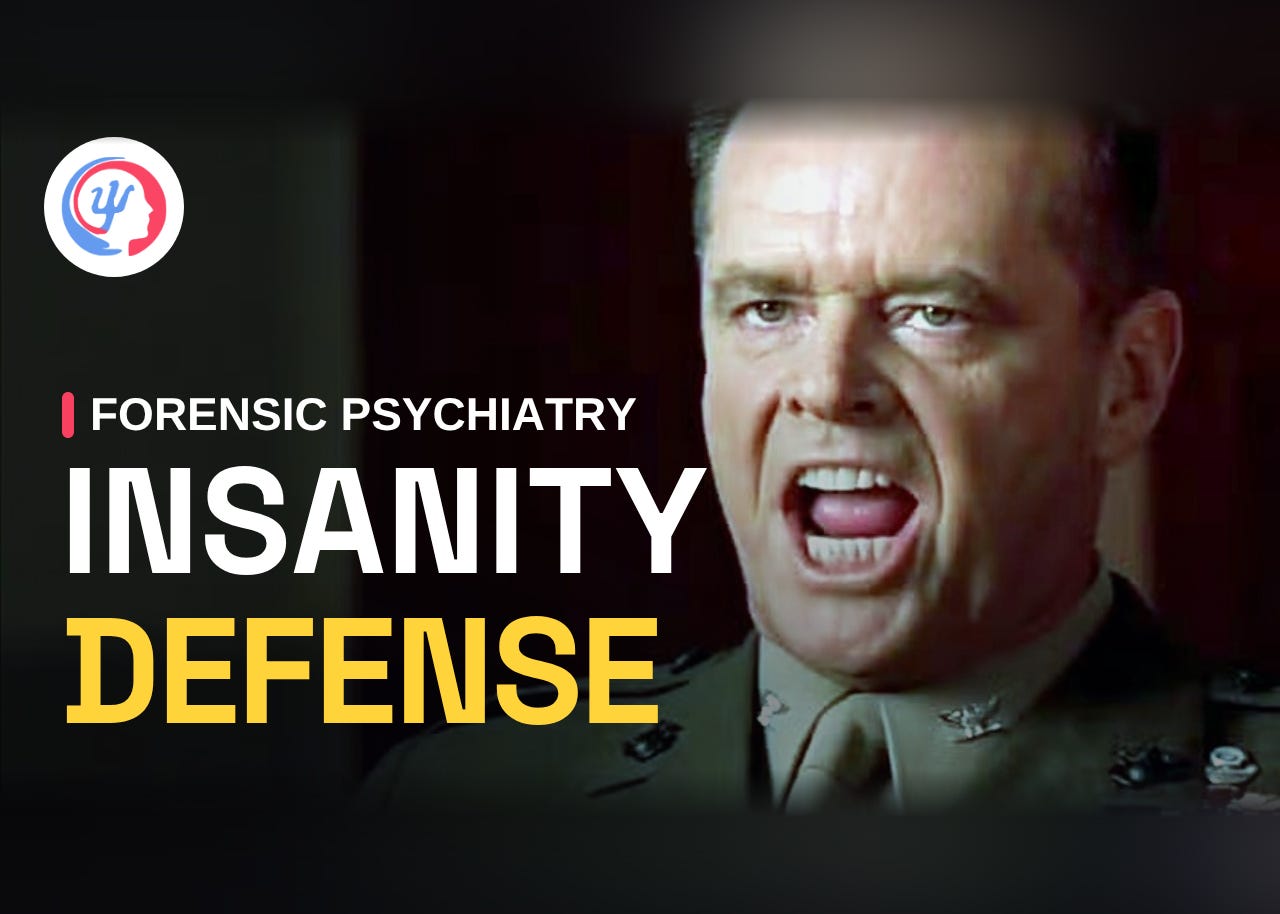
This conversation explores key aspects of forensic psychiatry, including the insanity defense, dissimulating patients, and how clinical practice intersects with legal systems. It highlights the importance of open-ended dialogue, nuanced diagnosis, and maintaining empathy without succumbing to cynicism.
What we cover
* What forensic psychiatry is (psychiatric expertise applied to legal questions, not correctional psychiatry) and the ideal of the independent, neutral expert, which one host argues also improves clinical work.
* Concerns about subjective diagnosis and shifting diagnostic trends in legal settings, how the adversarial system checks weak opinions, and why evaluators differ more in skill and resistance to pressure than in being hired guns.
* The insanity defense: tests of understanding the nature of the act or its wrongfulness, the requirement of a mental illness, the traditional exclusion of antisocial personality disorder, its rarity, and questions of culpability when medication is stopped.
* Competency to stand trial evaluations as routine criminal forensic work, and what they teach: access to subtle patients who rarely reach clinics, including people who hide illness.
* Interview technique for patients who dissimulate: long, open conversation unrelated to symptom lists, a psychosocial timeline, a story that makes sense, and returning to primary sources.
* The uncanny feeling some clinicians report with acute psychosis, countertransference as data, learning the mental status exam by comparing patients, and avoiding a cynical stance toward malingering.
Clinical takeaways
* Aim to make every clinical opinion intelligible to a reasonable layperson: lay out the facts and show how they lead to the conclusion.
* With a patient who denies symptoms but behaves oddly, begin with open questions about life and experience. One host holds back structured and DSM questions for roughly the first fifth of an interview.
* Ask what an experience was like for the patient and request concrete detail. Important material tends to emerge when the topic matters to the patient, not when a checklist is applied.
* Build a timeline of school, work gaps, the longest job and relationships. Illness trajectory and personality functioning often show more than criteria questions, and the interview is not done until the story makes sense.
* Observe expression, eye contact and social cues, and compare patients across diagnoses. Patients with melancholic depression tend to present differently from those whose depression stems from trauma or personality.
* Be cautious about calling malingering. The hosts say it is rare in many clinical settings and that a cynical, gotcha attitude is a trap.
Read the full transcript
The complete transcript of this episode is on psycho.farm: Lessons from Forensic Psychiatry: Insanity Defense, Subtle Patients and Culpability.
Related episodes
* Involuntary Treatment & Agency, Thoughts and Feelings | Episode 19
* Lindsay Clancy Case: Biggest Misconceptions After the Mistrial Explained by a Forensic Psychiatrist
For education only. Not medical advice.