(source:https://unsplash.com/photos/DeyfdybVQhA)
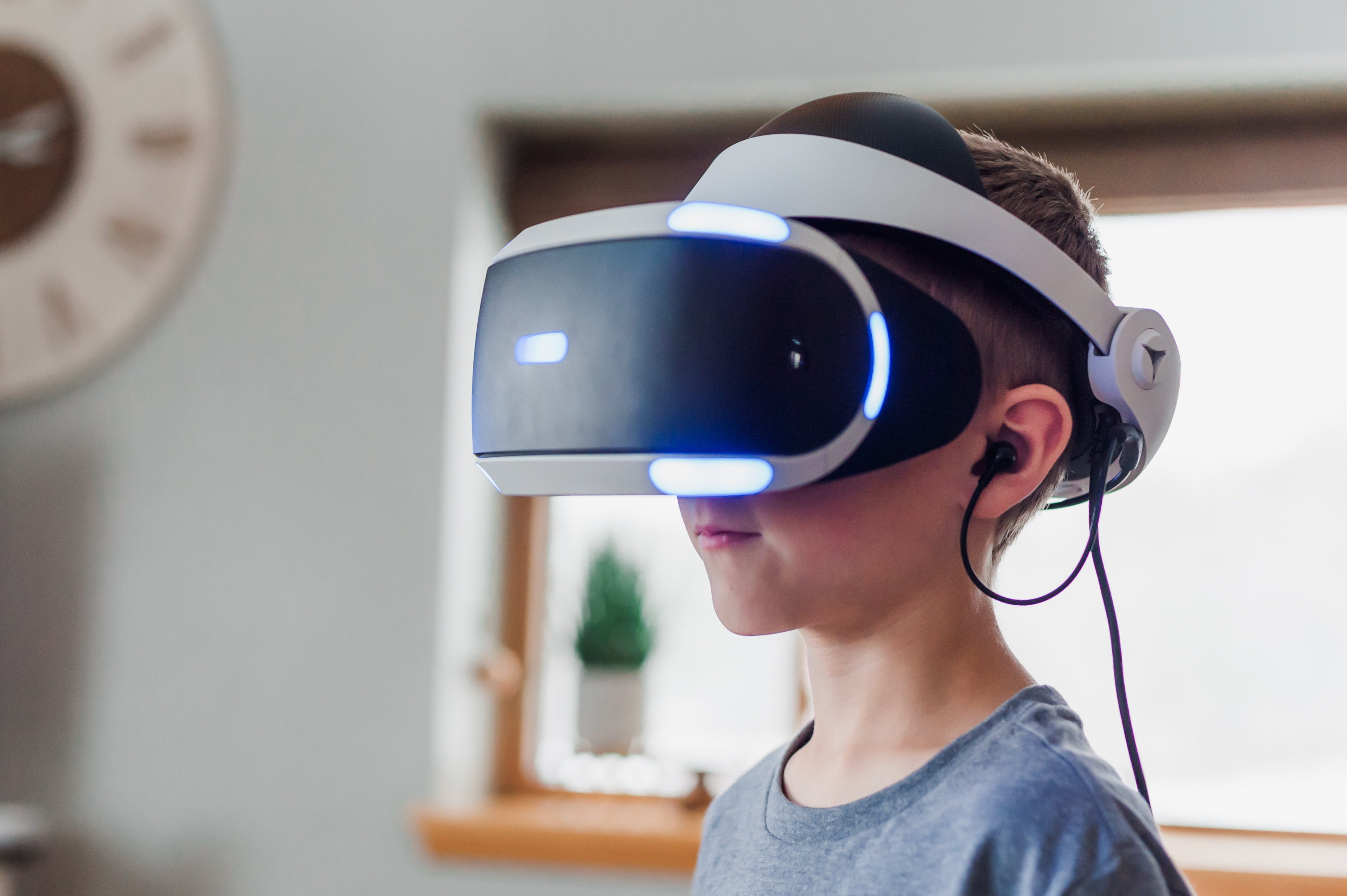
A simulated reality different from physical reality can be constructed through advanced computer graphics and high-definition display units. Such reality is often called Virtual Reality (VR). Virtual reality is a 3-dimensional world that includes objects from the physical world like buildings, books, furniture, and similar things. In addition to it, VR may consist of entirely imagined objects and creatures. Users can immerse themselves into a VR-based system through specially designed headsets called VR-headset and interact with the things in this artificial world. A user can feel the sensations about the objects by touching them and manipulating them. A VR experience can also be created in a room equipped with multiple large screens. A VR system provides auditory, visual and sensory feedback to users, thus providing an enriched perception about an artificial world.
Augmented Reality (AR) is a related but different kind of immersion technology. AR enhances the experiences of real-time physical objects through computer-generated information. This computer-generated information may include multi-modal sensory details such as auditory, visual, haptic, and olfactory. The computer-generated information may obstruct the perception of a physical object or enhance a physical object's perception.
The underlying technology of AR and VR systems consists of a diverse set of hardware and software elements. Hardware items for AR and VR include processors, displays, sensors and input devices. Smartphones and laptops include all these components to act as a platform for immersive technologies with some special purpose devices designed for AR and VR. We can extend our laptops and smartphones to a full-fledged AR or VR platform with devices like eyeglasses, head-up displays (HUD), contact lenses, and eye taps.
The software elements include a markup language designed to specify objects in a virtual world called Virtual Reality Markup language (VRML). The JavaScript programming language provides an API called WebVR to manipulate objects in a VR-based system. Many companies like Google and Facebook provide a tool kit to develop AR and VR based systems. For example, Google ARCore and Google VR are platforms from Google to develop AR and VR applications.
Many developers have demonstrated the utility of immersive technologies for social good, particularly in education and training areas.