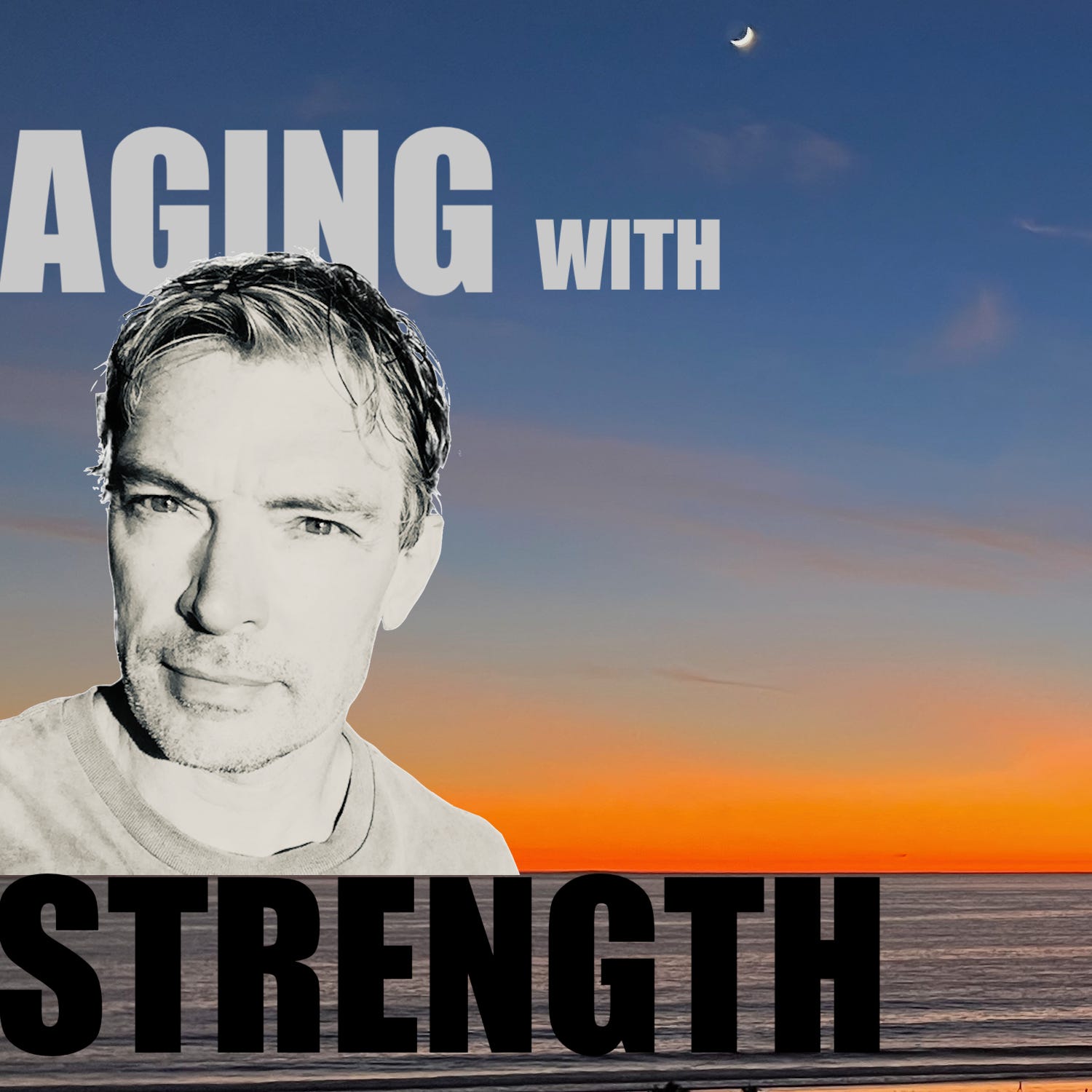
For men interested in learning more about menopause and perimenopause, or who just want to become better partners to women experiencing either, my candid and wide-ranging, no-b.s. conversation with Annie Fenn, MD is for you. We include clear, trustworthy information about sex, alcohol, nutrition, hormone treatments, fitness, sleep and other menopause-related topics that are so often marbled with misinformation.
“Menopause for men” podcast timestamps
01:27—Defining menopause and perimenopause in clinical terms. “It is a retrospective diagnosis,” Dr. Fenn says. “There’s also a lot of misunderstanding in the medical community.”
04:15—Typical age ranges for perimenopause and the clues that it’s arriving.
05:24—Estrogen, progesterone & the hypothalamus. “They rise and then they fall, and then they rise and then they fall….“
07:00—The rise of the menopause/perimenopause conversation (and the subsequent industry) during the past few years. “On social media, there are many ‘menopause experts’ talking about it.” Baby Boomers started it; Millennials wanted to talk more about it; celebrities took it to the next level.
08:25—The biggest male misconceptions about menopause. “You can’t just say, ‘Go to the doctor, get on hormones’ and you’ll be fine.”
08:58—How the Women’s Health Initiative study of 2003 “scared off a generation of doctors.”
10:05—The dearth of experienced menopause doctors. “There is a huge gap.” The “counterintuitive” choice for women.
11:20—Male misconception #2 about menopause/perimenopause. “There’s a lot more things going on than what’s happening to a woman’s emotions.” The problem of poor sleep quality.
12:30—“Zoom out a little bit” to understand a woman’s menopause experience: She’s taking care of work, kids, home, husband, etc., and then….”the bio-energetic crisis” hits.
13:38—The “injured athlete” corollary to menopause: how a guy might, might be able to relate to the changes and challenges menopause may bring.
14:41—The specific hormonal changes that occur during menopause. Estrogen, the master regulator, has receptors throughout a woman’s body—including hundreds in the brain. “Whatchamacallit Syndrome.” Brain fog, fatigue: “This can be very distressing.” Exercise becomes more difficult, through lack of sleep & food choices.
17:10—Making the right food choices in menopause & perimenopause. “Women are constantly pushing against this pre-diabetic state.” Eating for stable blood sugar. The great harm of UPFs. “Muscle is mandatory” — and its “a glucose sink.”
19:07—Being a good partner to women in menopause. “The last thing in the world a menopausal woman wants to hear is, ‘Oh, is it your hormones again?’” Being proactive and enabling (with some specific examples). Volunteering to take the kids out for a few hours or taking care of the damn groceries (or both).
21:34—Foods to avoid during menopause.
23:19—Alcohol’s role and caveats during menopause and perimenopause.
24:55—Two books for men (or anyone) interested in learning more about menopause and perimenopause. The amygdala & The I Do Not Care Club. “Women don’t care about stuff that they used to.”
(Also: check out Annie’s Brain Health Kitchen articles about menopause and perimenopause.)
27:16—Sex and intimacy during menopause and perimenopause. “Most of the time, it’s not about she’s mad at you (although she might be).” Lack of estrogen in vaginal tissues = “an easy fix.” Work on sex communication beforehand, if possible.
29:20—Hormone Replacement Therapy (HRT). Estrogen & progesterone; “testosterone could be included in the mix.” The new way to refer to this therapy: MHT. Tablets, creams, etc. Reducing colon-cancer risk and maybe risk of dementia. “Not every woman wants to be medicalized. But every woman deserves a discussion about the pros and cons.”
34:42—Resources for further reading. ”Your questions were not stupid at all!”