I wrote half a book then threw it out.
I felt deeply called to write a book about climate solutions. The vision of a world powered by clean energy with livable cities, healthy people, and thriving ecosystems fills me with delight. I wanted to share this vision and a roadmap for getting there.
In late 2022, blissfully ignorant of what writing a book actually demands, I made an outline and started typing. I thought would surely succeed because, in addition to a great idea, I had secret weapons: determination, organization, and self-discipline. I would muscle my way through. Plus, I planned to self-publish so I could just skip the whole book proposal thing and get straight to putting it out there.
About four months in, I got super busy with work and set the book aside. In my mind, I had about half a manuscript and I thought I could knock the rest out in another 4 or 5 months. (If you are a writer, it’s OK to laugh right now.)
Two months went by before I picked it up again. To my surprise, I found that what I had was terrible. Worse than terrible, it was boring.
I had thought I was cleverly disseminating important and sometimes complex information in a very digestible way. But when I read it with fresh eyes, it felt more like a report than a book. It was not an engaging story that carries the reader from page to page, but more a well reasoned exercise conveyed with a modicum of personality. Snooze. I can barely even think about it without starting to fall asleep.
But there I was – with tens of thousands of words. Was I just supposed to throw them away, along with all the hours and months of effort they represented?
Apparently, yes.
While there was no way I wanted to keep writing that book, I still felt deeply compelled to talk about the climate future we could have. People are afraid of climate change and how it’s getting worse. They want to know what do and if what they do makes a difference. But, if not this book, then what?
This reckoning with my now-dead book idea coincided with a period of terrible sleep (shout out to my ladies over 45, IYKYK). If I slept for more than 2 hours at time, it felt like a miracle. Often, I would fall sleep right before my alarm went off. A complete zombie by midday, writing in some kind of orderly, logical flow felt impossible.
So instead, I started putting large sheets of paper on the floor and drawing –sometimes objects, sometimes abstract – then making notes on the drawings. This allowed me to think in a way I hadn’t done before. I was getting to something that my conscious mind, with its default to the rutted grooves of the familiar, had always blocked.
Through this process, I got to the bones of it: the question for me was not what did I want people to know, but how did I want them to feel?
We’ve had the solutions to climate change for decades. And, while yes, our elected officials and policymakers should have made getting to these solutions easier a long time ago, there has also been a multi-decade campaign, funded by the oil and gas industry, to make sure they didn’t. Our business as usual, money as usual, politics as usual has meant we have kept poisoning ourselves as usual.
Beyond this, as a culture we also haven’t had the collective fire in our bellies to make these solutions happen. Doing things differently takes effort and most of us are stretched just living our daily lives. And with a challenge this massive, it can be easy to think that what we do doesn’t matter.
What needs to change is how we feel about the solutions, how we feel about doing things differently. And, most importantly, how we feel about the effort we will have to make.
Some people might be motivated by the fear of what catastrophic climate change will mean for them. But research shows fear doesn’t motivate over the long term – in fact, it can make action even less likely. I learned this the hard way when I had the crap scared out of me by a very well meaning Al Gore at a Climate Reality training.
What we need to do for our climate is about small and big actions, small and big changes. To make these happen, fear isn’t going to do it. We have to be moved by our love of our ourselves, our loved ones, and our world. We must be deeply moved by our love for life.
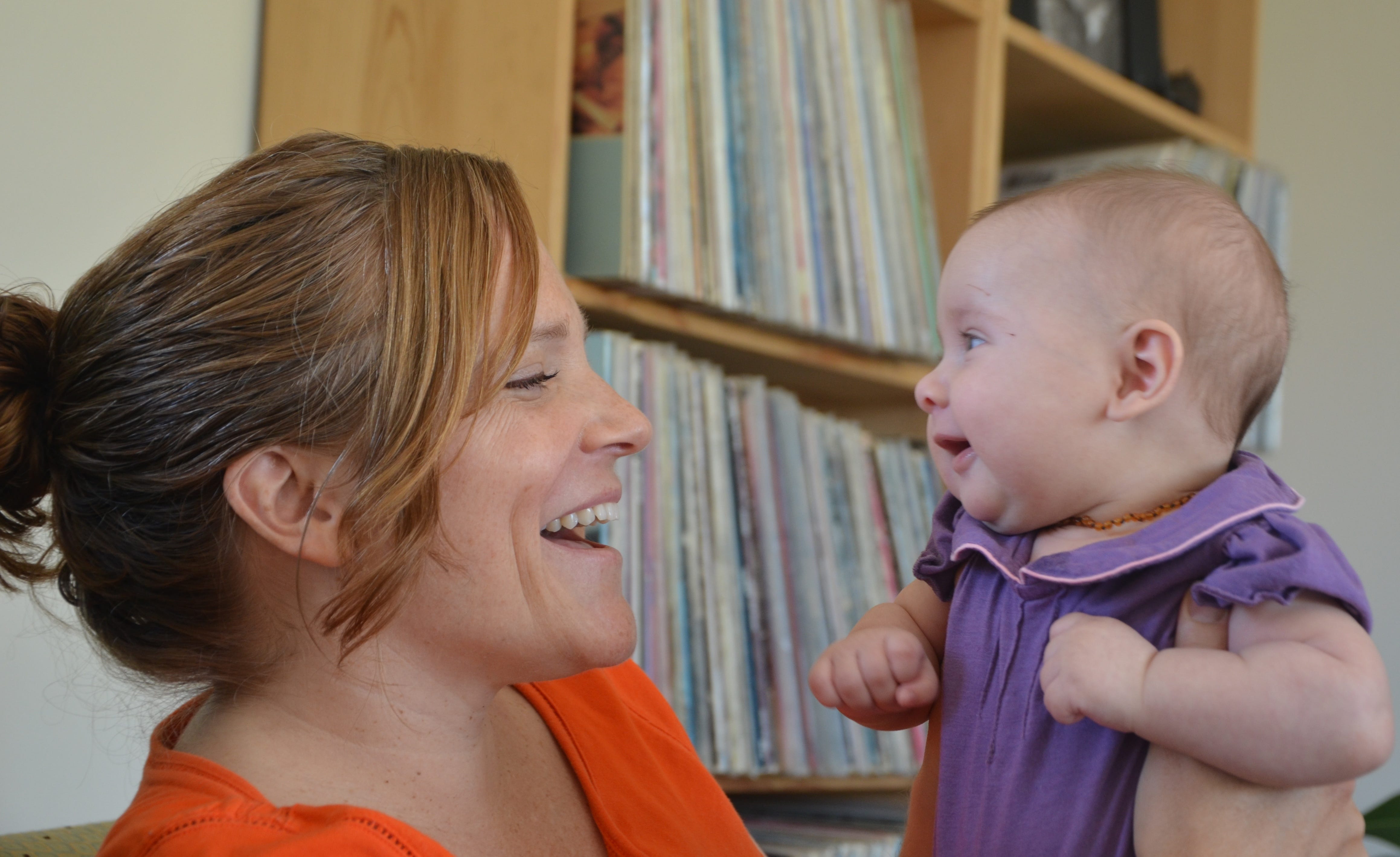
Love is what calls us to action.
Love reminds us that all things are possible. Think of someone you love right now. Did you even know such love was possible before they came into your life? Would you move mountains for them? Is there something you wouldn’t do if their life was in danger? This is the energy we need to be channeling.
The heart of the book I am now writing is all about this. The actions we need to take must be connected to how they protect us, our loved ones, and our world. Otherwise, they are just more items on already very long to-do list.
Not surprisingly, writing this book is taking longer than expected. Partly because books take a long time and I need to define my own take on this topic, and partly because right now the world seems to be falling apart in ten new ways daily.
This matters too–because we don’t get to have a happy climate future if we don’t also have a robust democracy, social equity, and an economic system that works for everyone.
This is all a long way of saying that love has called me to do something. I am committed to writing and talking about connection, love in action, and tangible steps we can take to create the climate future we need. Given the scale of the change, we will need to do these things for the rest of our lives and if we center love and connection, then the journey of getting there can be as rewarding and joyful as the destination.
Links:
https://www.budget.senate.gov/imo/media/doc/fossil_fuel_report1.pdf
https://michellemalancafrey.substack.com/p/how-i-learned-to-love-the-sun