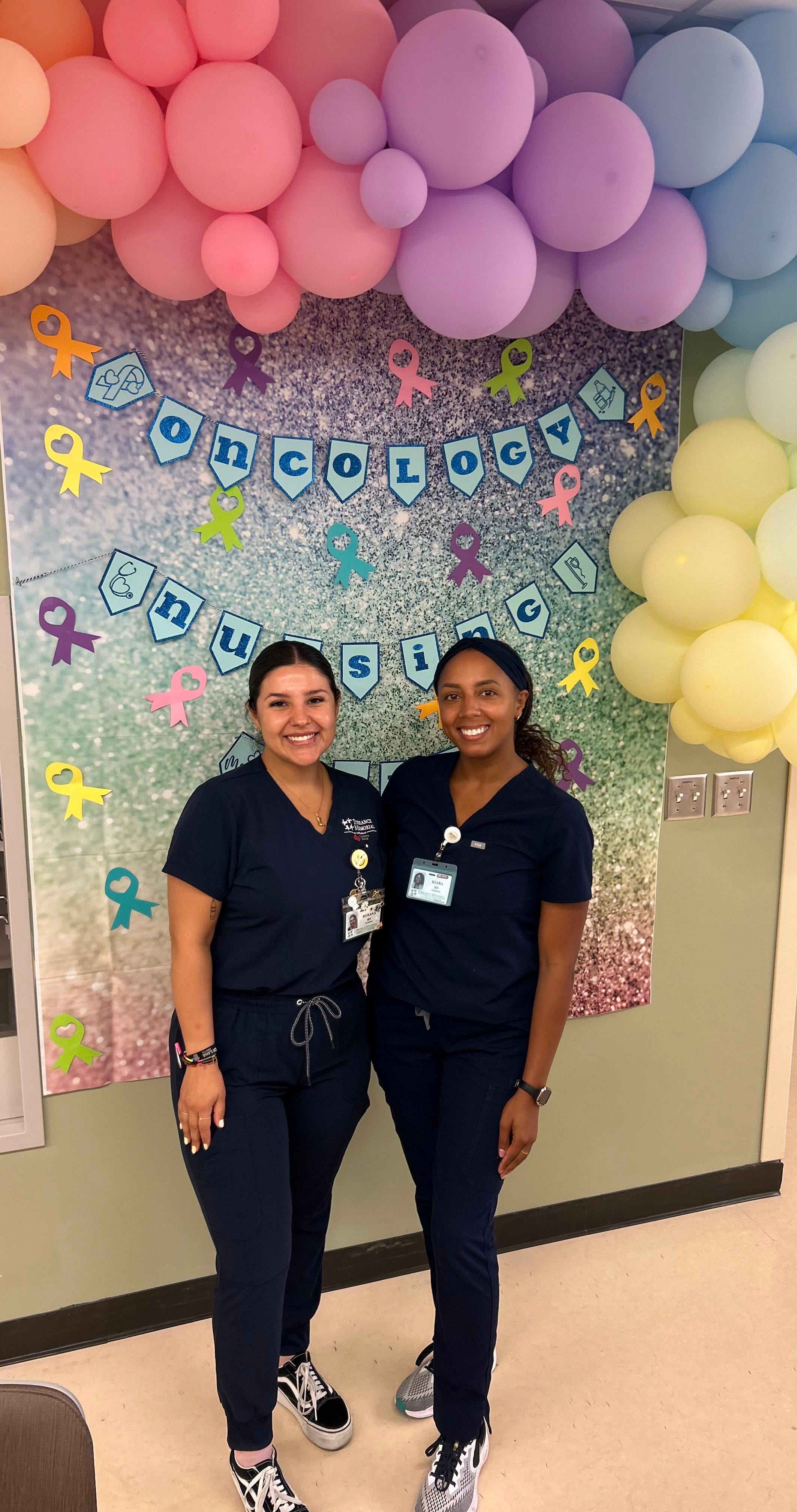
Everyone please welcome my dear friend Roxana Venzor Garcia to A Broadway Body: Continued Conversations! As Roxana and I have become closer friends this year, she has been so receptive to my deep affinity and love for talking about body image online. Slowly but surely, she would respond to my posts and share bits and pieces of her story with me. She then came to me with her story being diagnosed with alopecia areata and how much it changed the way she viewed her body, saying how much the work I’ve been doing has inspired her (which, like, INSTANT TEARS for me), and I knew I had to ask her to come have a conversation with me. I’m just amazed at how vulnerable and willing to share her story Roxana was, even though she was nervous and didn’t know she’d ever find herself in a place to share this story without breaking down, and I’m so beyond grateful she trusted this space with me to explore it verbally. This is a powerful conversation on so many levels, and I cannot wait for you to listen!
In our conversation, we discuss…
* Roxana’s upbringing in a culture that normalizes commenting on bodies
* Roxana’s bout with diet pills and an ED
* The cultural norm of never being satisfied with our bodies
* Her journey with alopecia areata
* The direct correlation between treating our bodies well and our overall health and wellness
* The emotional rollercoaster from diagnosis to treatment to healing and everything in between
* The trauma of losing your hair, especially as a woman
* The importance of caring for our mental health in order to be physically healthy too
* The power of sharing your struggles online to reach those who need to hear what you’re going through to not feel alone in their struggle
* How meaningful basic support from friends and family actually is
* Working through no longer letting our bodies define who we are
* Finding the gratitude, appreciation, and tenderness for the body that you have right now
“ When I went to my doctor, she told me, ‘No, I have a lot of patients like you, but it’s a very hard thing that women go through that nobody wants to share it.’” - Roxana Venzor Garcia
If just one person hears this story, we hope they feel seen and know they are not alone on their journey.
Book Roxana refers to in our conversation: You Can Heal Your Life
“ So I remember I had one of my best friends till now, she was like, “Hey, my aunt is just taking these pills that make you lose a lot of weight.” And you cannot buy them if you are not 18 years old. We were like 15 at the time and she was like, “But she’s gonna buy them for me, and I’m gonna share them with you, but just don’t say anything.” And I was like, “Perfect.” So I remember just starting taking those pills, and they will make me feel really weird, but I was losing the weight, so I was like, “Perfect.” I think that was probably for a year during high school where I was literally just having one meal a day. My mom was working, at the time, three jobs at the time, so I was the one making food and helping out with my brother, whatever. So I was able to get away with not eating. Also, I lost a lot of weight, and my whole family, my mom, everybody, was like, “Oh my god! You look so pretty! Good job!””
- Roxana Venzor Garcia
Megan Gill: Hi, Roxana!
Roxana Venzor Garcia: Hi!
Megan Gill: I’m so excited that you’re here having this conversation with me today, and that you are feeling nervous about it, but doing it anyways!
Roxana Venzor Garcia: Thank you for inviting me, and yes, I am nervous, but I’m gonna work through that with our conversation.
Megan Gill: I love it. I love it. So can you just start by introducing yourself and sharing a little bit about the type of work that you do in the world?
Roxana Venzor Garcia: My name is Roxana. I think I need to say, first and foremost, I’m from Mexico, so there is where the accent is coming from for anybody that is listening. I moved here in 2017, and I work as an RN, and I work in the oncology department with cancer patients. So that’s what I do three times a week for 12 hours. That’s my job.
Megan Gill: That’s amazing and so needed in our world, as I’m sure you know. Yeah, so it’s also interesting that you – because I believe everybody has a body image story, no matter who you are, no matter what your body looks like, no matter what you’ve dealt with or haven’t dealt with, your experiences that you may have had. Whatever your life experience and lived experience is, I believe everyone has a body image story. And you so graciously came to me and shared yours. I know that you had shared it on your Instagram, but you sent it over to me to read through, not necessarily the whole of your story, of course.
Roxana Venzor Garcia: No.
Megan Gill: This shit runs very deep. But before we dive into the specific aspect that you had shared with me, do you wanna talk a little bit about your relationship with your body in general in your life? So obviously now being in your thirties, I feel a lot of women grow into – their relationship with their body grows and flourishes and blooms in a different way than it did in our younger years. So I’m just curious if anything’s coming up for you within that, that you wanna share or talk about?
Roxana Venzor Garcia: So I honestly feel everything, my relationship with my body and the way that I always thought and spoke to my body led me to have alopecia areata, which was the problem that I shared with you. My relationship with my body, I feel like as every other woman, has always been – it’s a toxic boyfriend, toxic ex.
Growing up Hispanic, growing up Mexican, talking about your body in front of other people, it’s okay in your family. They will always – it’s very toxic, and they will always be talking about your body even if you are not okay with it. I remember growing up, I was in a normal weight. I remember having a normal – I never had any issues or thoughts about my body until – my childhood was not a very easy childhood. I moved a lot. My mom was a single mom, so it was a lot of things, and I remember probably when I started my treatment for alopecia, that’s when I was oh my god, I think I have anxiety since I was five years old, but I didn’t know.
Megan Gill: Yeah.
Roxana Venzor Garcia: So I remember food was a comfort for me. So I remember hiding food in my room when I was little and just eating it at night. And then I will wake up and I will have candy in my mouth. These are things that I haven’t shared with a lot of people, but I remember and that will bring me comfort. And I think that’s when I started gaining weight. So obviously my brother will always make fun of me because my best friend was super skinny and they will say, “Oh look, the number 10 walking.” And I was like, “I’m the zero.”
Megan Gill: Wow.
Roxana Venzor Garcia: And it’s crazy because I know that my mom was doing the best she could with what she had. She grew up the same or even worse with those comments, you know?
Megan Gill: Yeah.
Roxana Venzor Garcia: So she wouldn’t stop it. She wouldn’t say anything. So my brother would be literally my biggest bully sometimes. I have a good relationship with him, but I remember.
Megan Gill: Is he older or younger? I’m just curious.
Roxana Venzor Garcia: He’s older.
Megan Gill: Okay. Yeah.
Roxana Venzor Garcia: Yeah, and then obviously going to visit my family, everybody will have a comment about me and I was there. And then they will say – my mom’s name is Roxana as well. So they will say, “Roxana, she’s getting chubby,” and I was there. Or, “Oh, my god, she’s eating a lot. Maybe you shouldn’t eat another plate,” or things like that. I remember I was probably eight, nine years old, and my mom had my younger brother when I was seven, and I remember my mom was trying to lose weight from her pregnancy, for the pregnancy weight, and there was this book, and I will never forget, it was like “How to lose 25 pounds in 10 days or 15 days,” something like that.
Megan Gill: Oh my god, yeah, wild.
Roxana Venzor Garcia: And I will never forget. And my mom was, “Hey, Roxana, we’re doing this.” And I was like… I honestly was probably seven, eight years old. She’s like, “We’re doing this.” And I remember it’s, “Oh, okay. I’m gonna lose weight. I’m gonna lose weight.” And I remember she will make breakfast for my brother or whatever, and then it was something really nice and good. And then she – I will never forget; I feel this is a core memory – she brought out two pieces of ham with just a string of cheese, and she’s like, “This is yours.” And I was like, “Oh.” And she’s like, “Because we’re losing weight, remember?”
Megan Gill: Oh, my goodness.
Roxana Venzor Garcia: And I’m not saying this like, “My mom –.” This is the way that honestly Hispanic families – and I know other cultures, other races is the same, but Hispanic is toxic about women’s bodies and the way that they approach it. I can say that for my family.
And yeah, so it was like growing up I always hated my body. The word was I hated my body. I hated it. I always remember feeling – and sometimes I even struggled with that. I always – I grew up feeling less than other people my age, other girls. So obviously I grew up hating my body.
And when I was in high school, I remember I really liked this guy, and I was oh my god, he’s never gonna me because I’m fat. So I lost a lot of weight because I just wanted to do it for myself. So I lost the weight and he still didn’t me. And I was like, oh, so it’s not that, it is just…
Megan Gill: Oh, wow. It’s so wild because – I just wanna jump in because that is also a core social part of my childhood. My middle school, high school years was me being a chubbier kid and just learning that the cute boys that I had a crush on weren’t gonna like me – just learning. Not that it was true that they weren’t gonna like me because of my body, but it was socialized into my brain that you are a young girl in a bigger body, and therefore cute boys will not like you. That was what I learned.
Roxana Venzor Garcia: Yeah, boys are not gonna look at you because you are fat, because there are girls that look way better than you. So I feel that’s a universal thing for girls. And that’s the first thing like, if there’s ever a time when a girl loses weight it’s to attract one of the guys that she likes. And that was for me, I was like I don’t know what I did. I honestly, I don’t think I was having any eating disorders at the time. Then after that I was like, okay, he still doesn’t like me, and I was like maybe it’s because I’m still not super skinny or whatever. And obviously other things that growing up like that, obviously, it’s gonna affect you.
So I remember I had one of my best friends till now, she was like, “Hey, my aunt is just taking these pills that make you lose a lot of weight.” And you cannot buy them if you are not 18 years old. We were like 15 at the time and she was like, “But she’s gonna buy them for me, and I’m gonna share them with you, but just don’t say anything.” And I was like, “Perfect.” So I remember just starting taking those pills, and they will make me feel really weird, but I was losing the weight, so I was like, “Perfect.” And then I think I started an eating disorder, but it never got to the point that it got out of control. I was able to control it, but I know my best friends will be like, “If you don’t eat, I’m gonna tell your mom.” Or even the gym. I used to go to the gym every single day. If I didn’t go one day, I will cry. I was like, “I missed the gym. I missed the gym.”
So my trainer at one point was like, “You are doing things wrong, and I’m gonna talk to your mom.” And I was obviously so scared. I was like, “No!” I think that was probably for a year during high school where I was literally just having one meal a day. My mom was working, at the time, three jobs at the time, so I was the one making food and helping out with my brother, whatever. So I was able to get away with not eating. Also, I lost a lot of weight, and my whole family, my mom, everybody, was like, “Oh my god! You look so pretty! Good job!”
Megan Gill: Oh my God. Yeah.
Roxana Venzor Garcia: I remember my uncle being like, “Good job! You look amazing. Keep doing what you’re doing, blah, blah, blah.” And I was like…
Megan Gill: Yeah, that type of reinforcement is so damaging. Oh my god.
Roxana Venzor Garcia: It is. It is because I remember I look at those pictures now, and I look amazing, but I never felt that way. I never felt good about myself. I was just – my self-esteem and is something that I’m still working with, has always been very low just for I feel everything, but I remember I was damn. Now I look, I’m like damn, if I look that now, I’ll be like…
Megan Gill: I know. It’s always interesting to look back on ourselves in hindsight and be like wow. Or even just the thought that you had of how sad that she couldn’t even be satisfied. She couldn’t even – what was enough? Would it ever be enough? Oh, that’s heartbreaking.
Roxana Venzor Garcia: Yeah. That’s honestly my – that was my question before I got the alopecia was when is it gonna be enough? Then when I started with this whole thing with the alopecia, I remember feeling so guilty and I was like, “I did this. I did this to myself because –.” And I get emotional because I’m like, “It’s been 30 years, and I have never been happy with my body, and now my body’s getting sick from it.” So I’m like, “I cannot keep doing this. I cannot. I need to stop,” but I didn’t know where to start.
So then fast forward to 2023, again, I’m always trying to lose weight. I’m always trying to look better. I’m always trying blah, blah, blah, and I was just like hanging out with my dog in my apartment, and I remember I was just – I love touching my hair and my scalp and just massaging it. And I remember feeling a spot, a bald spot, and I was like, what is this? And it was 11:00 PM. At the time, I was fighting with my mom for a couple weeks, and I remember the first thought I had. I was like, “I need to call my mom.” So I called my mom, and I was like, “Hey, I have a bald spot.” And she’s like, “What do you mean?” And I was like, “I have a bald spot.” And she’s, “Oh, that’s normal. Don’t worry. My hair falls a lot too, blah, blah.” And I was like, I don’t think she understood, and I was crying. I was like, “I don’t know what this is.”
So I remember it was 11, and I was just Googling CVS, 24 hours, Walmart…
Megan Gill: When I read this part about you Googling what CVS was open, I was like this is the most effing relatable thing, and I would’ve done the exact same thing. Okay, sorry. Continue. I was just like, yep, yep. I don’t blame you.
.
Roxana Venzor Garcia: I was like I need something now. Even though that wasn’t gonna change anything, it was I need something now. because I was spiraling. So I remember I was in my pajamas at CVS asking the lady, “What do you think is best for this?” And they give me a bunch of stuff. I have spent so much money on this, it’s crazy. I wish I could just go back and see how much I’ve spent on this. But I bought a bunch of stuff at CVS and then I was you know what? I’m gonna go to Walmart. I need natural things, natural shampoos, oils, everything. Then I came back home, and I just couldn’t sleep. And I started googling things, and that’s the first time I saw the name, the word alopecia areata. And I was like oh, my god, because I literally went through a rabbit hole of it, and I was like this is what I have. I’m sure I have this. And the more I read, I was like this is just gonna get worse. It’s usually not just one spot.
I remember the next day I was already calling a dermatologist. I was like I need help. Obviously that’s when the emotional and the – I don’t even know how to say it. It was just probably the darkest time of my life. Emotionally, I was just a mess. I was just trying to isolate myself. I just literally isolated myself, actually. I was just so anxious all the time. My hair, I will put my hand like this, from top to bottom, and I will just like – clumps of hair. And then I will shower, and it will be even more and more. I literally used to shake and cry before every time I had to hop in the shower because it was traumatizing, because I was like I’m gonna lose a lot of hair in the shower, and after that I’m gonna have to brush my hair, and it’s gonna be even more.
I remember I used to grab all the hair together and then just put it in a little ball just to see how much I lose every day. And it was a crazy amount. So seeing that, I was just so depressed, crying all the time, anxious all the time.
Anyway, I went to the doctor and, yeah, they told me, “You have alopecia areata.” And they were like, “We’re gonna do injections,” directly to my scalp. Very painful, by the way. They did steroids. And I was like okay. And I remember asking – I was crying. On the first day there, I was already crying. I was like, “Is it this gonna get better? Is it just this one?” And they were like, “We cannot tell you. We’ll see.”
Megan Gill: Which is not what you wanna hear.
Roxana Venzor Garcia: No, obviously not! So I remember thinking, I was like okay, this is just a wake up call. This is a wake up call to just be grateful for what I have, for the body that I have right now, for the hair that I have right now. And also, I remember you were just talking at the beginning how me being a nurse and all that in oncology, especially. I remember telling my patients before all this happened to me – I have some women patients, female patients, that they don’t wanna go through chemotherapy or they are very anxious about it because they don’t wanna lose their hair. And I remember looking at them, I was like, “It’s just hair! Just do it! You’re gonna save your life!” But they’re like, “Yeah, but I don’t wanna be bald!” And I remember I didn’t understood, and when this happened to me, I was humbled and I was like I will never say anything like that to any of my patients or any other person because I know now, it’s like losing a part of yourself.
Megan Gill: Yeah, like a part of our core identities as women, a lot of times.
Roxana Venzor Garcia: And you know what? I feel women, we rely a lot on our hair because we that’s one of the only things of our body that we can change on a whim, you know?
Megan Gill: Mm, that’s a good point. I like that. You’re so right.
Roxana Venzor Garcia: It’s like you wanna change it, you can change it. You want another color, you can do another color, you can cut it, you can do this, and it’s still a part of your body, you know?
Megan Gill: Yeah.
Roxana Venzor Garcia: And we’re always trying to change our bodies, and I feel women with our hair, it was a crazy awakening for me.
Megan Gill: Your hair is one of the things you actually have control over, because a lot of times we can’t control, no matter how “healthy” we eat, no matter how much we’re working out or moving our body, my body’s still gonna look this. No matter what I do, I’m still gonna have a belly pooch because that’s just my freaking genetics. Like it’s never going away.
Roxana Venzor Garcia: You cannot do it just one appointment, yeah, and hair you can.
Megan Gill: Oh my god, going through this experience, this traumatic experience, of losing this piece of yourself after already struggling with a body image crisis is so tough, and I can imagine so extremely difficult. Sorry, I feel I put words in your mouth, but I’m just like… wow.
Roxana Venzor Garcia: No, I literally felt I lost myself. I was just on autopilot every day. And honestly alopecia areata – and I say the whole name because that was in my head all day, every day. It was, “Alopecia areata, you have alopecia areata.” And I was like how to get rid of it? I was always looking for things online. I was always looking up other women. When I will go out and to the store or whatever, I will look to see maybe someone else has it. I just felt so lonely at the same time because I felt like nobody else had it. And when I went to my doctor, she told me, “No, I have a lot of patients like you, but it’s a very hard thing that women go through that nobody wants to share it.” And I was like I agree.
Megan Gill: Wow.
Roxana Venzor Garcia: So, yeah. That started happening and my day to day was that I was just crying and not wanting to get in the shower because I didn’t wanna lose hair. It was just my depression was just so bad and the relationship with my body, now, I felt guilty, and I was like I did this to myself. But then at the same time, I just didn’t even care about my body anymore because I was just thinking about my hair. Not in a good way. Not that I wasn’t thinking about my body in a good way. I was just like I don’t have the capacity to be like and on top of that, I wanna lose weight.
Megan Gill: It forced you to shift focus. Not that it was a good, a positive thing that you were now focusing on, but it almost forced you to take the pressure off of your body in a way.
Roxana Venzor Garcia: Yeah. So I started doing everything medically possible, and nothing was really working. I started, I remember the day that I saw a second spot on the other side of my head. I was just like I cannot do this. So I remember my parents will ask me, “How are you doing? Is everything okay with your hair?” And I was yeah, it’s fine. Because I felt if I will talk about it, they wouldn’t understand. And I just felt lonely.
And one day it just got really bad, to me. And I remember explaining to people, “It’s not about seeing the bald spots, it’s about me seeing the hair falling. It’s just so traumatizing. It’s I’m losing more and I’m losing me.
So I remember one night I was like I’m just gonna shave my head because I cannot do this. I was like I’m just gonna shave my head. And I had – how do you call, the ones – you know?
Megan Gill: Like a buzzer?
Roxana Venzor Garcia: Yes, I had one for my dog.
Megan Gill: Oh my gosh, yes.
Roxana Venzor Garcia: Yeah, and I was like I’m just gonna get that. But thankfully I was just so depressed that I couldn’t get out of the bed. The only time that I got out of the bed was to go to work, come back home, take my dog out, and I will literally sleep on the floor of my apartment because I just didn’t have the will to just go to the bed. I was just literally waking up at random places in my apartment every day. So I was just going to work, taking my dog out, because she will wake me up. She will literally lick me to take her out. So that was literally my life. So I’m thankful that I wasn’t able to shave my head because I literally was just like – I didn’t have the energy.
One day I got to my parents’ house and they were like, “How are you doing?” And I just broke down with my dad and I was like, “I’m not doing good. My hair is not looking better.” And I literally just opened my hair to him, and my dad was shocked. And I could see that he wanted to start crying, just for seeing how bad I was feeling. And he talked to my mom, because again, my mom was like, “Oh, you’re fine. Don’t worry, you’ll be fine.” And I literally told my mom, “I’m not fine. Please, I just need your support. I’m not okay,” and I show her, and she was shocked. And then she was like, “Please don’t show me again, because it hurts me.” And I was like, “I get it. But at the same time I’m hurts me too,” you know?
Megan Gill: Yeah.
Roxana Venzor Garcia: And she started praying, and I was like this is bad. My mom is praying for my hair? And I remember that, and I feel like it’s so sweet. But then at the same time I was like that’s so traumatizing too.
Megan Gill: Yeah.
Roxana Venzor Garcia: She was praying for my hair and she was like, “Please,” whatever. Then my mom was like, “I feel someone is being very envious or jealous of you, and that’s what’s happening.” The Hispanic, the Mexican in her. And she’s like, “You need to go and see this guy, and he will help you, and blah, blah, blah.” And I was like I don’t wanna do that. I don’t believe in that, and I don’t wanna do that. Then my mom kept calling me and telling me to do it, and I was like you know what? I’m so desperate that I’m just gonna go see this witch.
So I literally called this guy, didn’t even see him in person, FaceTimed this guy, and he was just – it was even worse. He just told me so many things, and I was like okay, this is way worse. I remember just calling my parents and was like, “I know it’s hard. I know you guys don’t get it. At this point, I just need your guys’ support. I just need support. I don’t need any more, ‘Hey, try this oil. Hey, try this thing.’ I just don’t need that.” I was like, “I just need support.” I was just so lucky that I had my best friend – you know, her – Kiara, and she was very understanding. She was very helpful. I’m so grateful for her. At that time she was like, “No, I understand. You need support,” and that was it, I just had support. And then I was doing great. I did everything medically possible for it. It wasn’t helping very much, but it was getting – it was halting the process. That happened September.
In December, I went on a trip to the UK and I was like you know what? I’m just gonna leave on a trip. I left my dog with my cousin while I was there – two days before my – yeah, you know already – they called me and they told me that my dog is dying, so I had to come back. I, thankfully, was able to come back and say goodbye to my dog and put her down because I had to.
Megan Gill: I’m so sorry.
Roxana Venzor Garcia: Yeah, thank you. And after that, everything got – if it was already bad, it got worse because the only thing that was keeping me literally functional was my dog, and I didn’t have that anymore. So I didn’t wanna be in my apartment anymore, because that was just a reminder of the life that I had with my dog. And my parents were very supportive. Literally, the night that my dog passed away, they had my bag. I didn’t know. They went to my apartment, took everything out, and they were like, “You’re moving back home with us. Don’t worry about it. You just need time right now to heal and focus on you.” And I was like, “Okay.” I was grieving my dog and I was grieving my hair at the same time.
It was the hardest time. If I thought that alopecia was bad already, just grieving my dog of 16 years and my hair, my life, everything. It was just hard. And that’s when I started therapy. I moved back with my parents, I started therapy, and again, the body image issues came to top. My therapist was like, “You struggle with body image since you’re very little,” and she was like, “I feel that this is your body telling you that you need to love your body. You need to be nicer to yourself because you are getting sick from this.” Because I literally did everything possible. We did every single test to try and find a reason for my alopecia, and there was none. There are some people that there’s no reason at all. They say stress is a very big part of alopecia areata, but don’t have an actual thing that, “Okay, you have alopecia areata because of this.”
Megan Gill: Yeah.
Roxana Venzor Garcia: But they told me I probably had lupus, I probably have an immune disease, I probably have all this, and everything came back negative. And I was like what is it? What is it? And my mom, I remember she told me, “I feel like it’s you. You’re just so anxious and depressed, and you’re just not doing well, and your body’s literally telling you you’re not.”
So after my dog passed away, in January I started therapy. It wasn’t helping very much, to be honest. I was still just crying every day, feeling – now on top of everything, I was feeling a failure because I was back home with my parents and it was a lot.
One day, my mom – mind you, I don’t wanna generalize and say all Mexicans, but I can assure you that 90% of Mexican parents don’t believe in depression, they don’t believe in mental health issues, and they don’t believe in therapy or psychiatrists.
Megan Gill: I feel that’s also just the boomer generation in general, because my parents are the same.
Roxana Venzor Garcia: They’re like, “If I did it without therapy, you can do it.”
Megan Gill: Right. “Surely you can.” Like, no, guys. There’s a different way, okay?
Roxana Venzor Garcia: Exactly. So January I was already living with my parents for a month, and literally one day my mom sat me down and she started bawling her eyes out. She was crying, and she’s like, “I want you to be better. I want you to feel good.” She was like, “I hate to see you like this.” And I was like, “What do you mean?” Because I thought I was hiding it because I will just cry in my room and just be on autopilot. She was like, “You’re not doing good, and your hair is never gonna grow if you are like this.” She was like, “Please go to a psychiatrist.” And I was like, “Psychiatrist? What?” I was like, “You, telling me about a psychiatrist?” And she was like, “Please, you probably need medications. You’re depressed, you are anxious, you need something.” And I remember just thinking and thinking. I was like if my mom, my Mexican mom that didn’t believe in this told me to do it, how bad am I doing? How bad am I doing that they can tell when I thought I was so good at hiding it.
So I started. I went to the psychiatrist, and honestly, I was also very like – I believe in therapy, I believe in psychiatrists. But I was like, “I’m never gonna be on pills. I’m not gonna do it.” So that was judgmental on my part because I was like I think I’m gonna be good with therapy. That’s what I thought all my life. For me it was like once you need meds, no, that’s bad. I talked to my psychiatrist and she diagnosed me with PTSD from the alopecia, PTSD, anxiety, and depression. And she was like, “Your depression – I feel the way that you were raised and the way that you are, your depression is not like the common depression that you’re in bed and you cannot go to work,” and blah, blah, blah. She’s like you have a functional depression, but still there.
Megan Gill: It’s the sneaky kind. It’s just hiding in the shadows, but it’s actually something that is deeply affecting your body, yeah.
Roxana Venzor Garcia: Yes, exactly. And she was like, “Let’s start the medications,” and I was like, “Okay.”
Megan Gill: Oh, I’m glad that, as resistant as you were to them, I’m so glad that you trusted her.
Roxana Venzor Garcia: I was just doing whatever they told me because I was like I got this far by doing the things that I thought they were okay and by the beliefs that I have, I am just gonna leave it to other people at this point, I honestly was just like I’m just gonna – whatever they tell me to do, I’m gonna do.
At the same time I went to my dermatologist and, again, I was a mess. Every time I was with her I was crying shaking, because they will look through my whole hair and they will find spots and that will be the end of me. I will just start crying. I’d be like, “You find another one?” She’s like, “Yeah,” and they will hold my hand, they will hug me because I will be a mess.
Megan Gill: Because it’s every time you go, I imagine, you’re like, “Is it getting better? Is it getting better? Is it getting worse?” And how do you even mentally prepare yourself for hearing either?
Roxana Venzor Garcia: They were like, “Hey, there’s another one, but it’s okay. It’s very tiny.” And I was like I already know it’s gonna get bigger, I already know. And I remember I went that time, it was the beginning of January, and she told me, “I don’t wanna see you here until you get help.” And I was like, “What do you mean?” And she’s like, “We’re not doing this anymore. I need you to get help because mentally you are not okay.” I was like, “I just went to the psychiatrist.” And she’s like, “Perfect. Just do that. And then once you’re ready, I’ll be happy to see you again, but I don’t wanna see you right now. Let’s take a couple months off the treatment. Stop doing everything you’re doing, Stop the oils, stop everything, and just focus on that. Focus on healing. You are not doing well.”
So that’s when everybody was like you’re not doing well. And I was yeah, I know. I started my treatment, and it changed my life. I am a huge supporter of if you need meds, do you. Do whatever you need to do for your mental health, for your sanity, for whatever you need to do to feel good, do it. Of course, if it’s legal.
Megan Gill: No. Yeah, absolutely. And I’m just like, dude, yes. This is such a big piece of the body image conversation. Whatever you need to feel good in your body – our brains are in our body. There’s so much more than just our physical body, right? It’s like, oh my gosh, our mental health is such a big piece of the conversation. So I am so glad that you are touching on this. Yes, sorry to interrupt, but I’m just like yes.
Roxana Venzor Garcia: Yeah. No, because it’s true. As soon as I started taking care of my mental health, my negative thoughts that I always had, I remember waking up and, “Oh, I’m so fat. Oh, I hate my thighs. Ugh, I hate this. Ugh!” I will just be all the time talking so badly to myself because that’s what you do when you grow up hating your body, that’s the main goal, changing it.
Megan Gill: Right. “What am I working on now? What do I see that I hate now?” Yeah. Oh my god, yes.
Roxana Venzor Garcia: Yes, literally. I remember, if you ask me, and I feel like a lot of women if you ask them, “What’s your favorite part of your body?” they will say their hair because it’s your body., but at the same time, as I said, it’s something you can change and that you can mold and do whatever how you want it. So I didn’t have that anymore. I was having to wear headbands. I was having to wear – I wore a wig for a while because it got to the point that it was really bad I was going into this trip, a bachelorette party, and it was only girls. And I remember just feeling – I was like here I am. I’m gonna have to go and put the wig on while they are just doing their hair and they look so pretty. And I was like okay.
So that was a hard thing to do, but at the same time, I just love womanhood, and that trip was one of the best trips ever. We went to the beach. I was so scared of going to the beach because I was gonna have to wet my hair and all that. They were all so supportive. They were like, “Oh, my god, you look so good! Like your hair…” Because my hair looked exactly the same. It didn’t look like a wig. Or maybe that’s what they said because I don’t know. But they were like, “Oh, my gosh, I wish I had one too! You’re ready so quick!” And I was like, “Yeah! Right?”
Megan Gill: Girlhood is the fucking best. Ugh!
Roxana Venzor Garcia: It healed me. It was so healing. I thought I was gonna feel shit next to them. because all of them had their hair. All of them were pretty and beautiful with their hair whatever they wanted. And I had to always had it either in a bun and put in – I mastered the bun, the whatever hair style you wanted to do with alopecia, I know how to do it and I know how to cover it. I had many different things that I bought to dye my hair, dye the bald spots, whatever.
But yeah, girlhood, that trip, it was just amazing. And that was the start of my healing process. I remember I felt beautiful and I was just so confident in my body on that trip because I was like this is what I have right now. I was literally now relying on everything except my hair to feel beautiful. So I was like I need to make the best of it. I need to feel the best. And I felt beautiful. I felt hot on that trip!
Megan Gill: Yes! I love it!
Roxana Venzor Garcia: Literally, I was just – I wasn’t relying on my hair anymore.
Megan Gill: Yeah. Oh, my gosh. Wow.
Roxana Venzor Garcia: That was just so good and for the start of my healing. So yeah, I did that, came back, I started traveling a lot. That’s when I started relying a lot on my family, on my friends. And honestly, that was 2024. I thought that it was gonna be the hardest and the worst year of my life, and it was the best year of my life. My friends threw me a surprise birthday party. They knew that I was going through a lot, and they were there for me. My family was there for me. My friends were there for me, and they were just so supportive.
I finally – with the medications and with therapy, I was feeling so good about myself. And also I started being grateful just for having an able body, because I used to take it for granted and I remember thinking you work in oncology, you see patients on their deathbeds, people your age. I see girls my age, I see people that are younger than me tied to a bed, not able to walk, not able to eat on their own, not able to even go to the bathroom on their own, and here I am complaining that I don’t like my thighs, and I’m like these thighs have me moving! These thighs have me taking care of people that cannot take care of themselves.
Megan Gill: That’s really powerful.
Roxana Venzor Garcia: I started seeing things differently.
“ I have some women patients, female patients, that they don’t wanna go through chemotherapy or they are very anxious about it because they don’t wanna lose their hair. And I remember looking at them, I was like, “It’s just hair! Just do it! You’re gonna save your life!” But they’re like, “Yeah, but I don’t wanna be bald!” And I remember I didn’t understood, and when this happened to me, I was humbled and I was like I will never say anything like that to any of my patients or any other person because I know now, it’s like losing a part of yourself. And you know what? I feel women, we rely a lot on our hair because we that’s one of the only things of our body that we can change on a whim, you know? It’s like you wanna change it, you can change it. You want another color, you can do another color, you can cut it, you can do this, and it’s still a part of your body, you know?”
- Roxana Venzor Garcia
Roxana is a 31-year-old oncology nurse from the north of Mexico, living in Redondo Beach after moving here in 2017. She loves making people laugh, she’s obsessed with dogs, and she’s constantly picking up new hobbies — currently running, plant parenting, and learning how not to kill her indoor plants. She loves traveling and camping, and while she has alopecia areata, it’s just one of the many things that makes her her.
Subscribe to the A Broadway Body: Continued Conversations newsletter + sign up for a paid plan to support me in creating more of this content for you ❤️🔥
A couple of notes to ensure this is a safe space for my guests to share their intimate and vulnerable body image stories in:
* It can be easy to feel alone on your journey of existing in a body. I welcome the connection and support of one another in this space through considerate and curious comments.
* These conversations are quite nuanced, complex, and oftentimes very vulnerable. Remember that everyone has their own body image story, and while someone else’s might look differently than yours, I encourage you to keep an open mind and stay empathetic.
* Thank you for being here. By sharing this type of content, my hope is to inspire personal reflection and cultural questioning. Thank you and supporting me in exploring the effects of our culture’s beauty norms and body standards on human beings existing in today’s world.
Do you have a friend, family member or peer who might love this too? I’d be honored if you could help me spread the word about my writing and body image conversations!
While I’m not a licensed therapist, registered dietician, or medical health professional and cannot speak to body image topics from a clinical, trauma-informed place, I am an expert of lived experience. I’m an academic of my own body, and I’m passionate about facilitating conversations with other humans about their relationships with their bodies. I believe it’s important to continue conversations about healthy body image in creative spaces as a means to heal individuals as well as the collective whole. But just know the information presented in this medium is not professional mental health advice or medical advice, and any questions or concerns you have should always be directed to your health providers.