TL;DR: Scott Bessent signals major liquidity shift through Japanese monetary policy cooperation, AI bubble discussion, and NYC political implications.
📄 SUMMARY
NYC Election Results: Change of Guard or Too Early?
Zohran Mamdani won the NYC mayoral election, sparking debate across the political spectrum about whether this signals a broader shift. Matt Dines cautions against over-interpreting a single election result, noting it seems very early to be dancing on the Trump administration grave and suggests fading this as a broader trend indicator (10:00).
OpenAI Government Backstop Request: Bubbles Pull the Future Forward
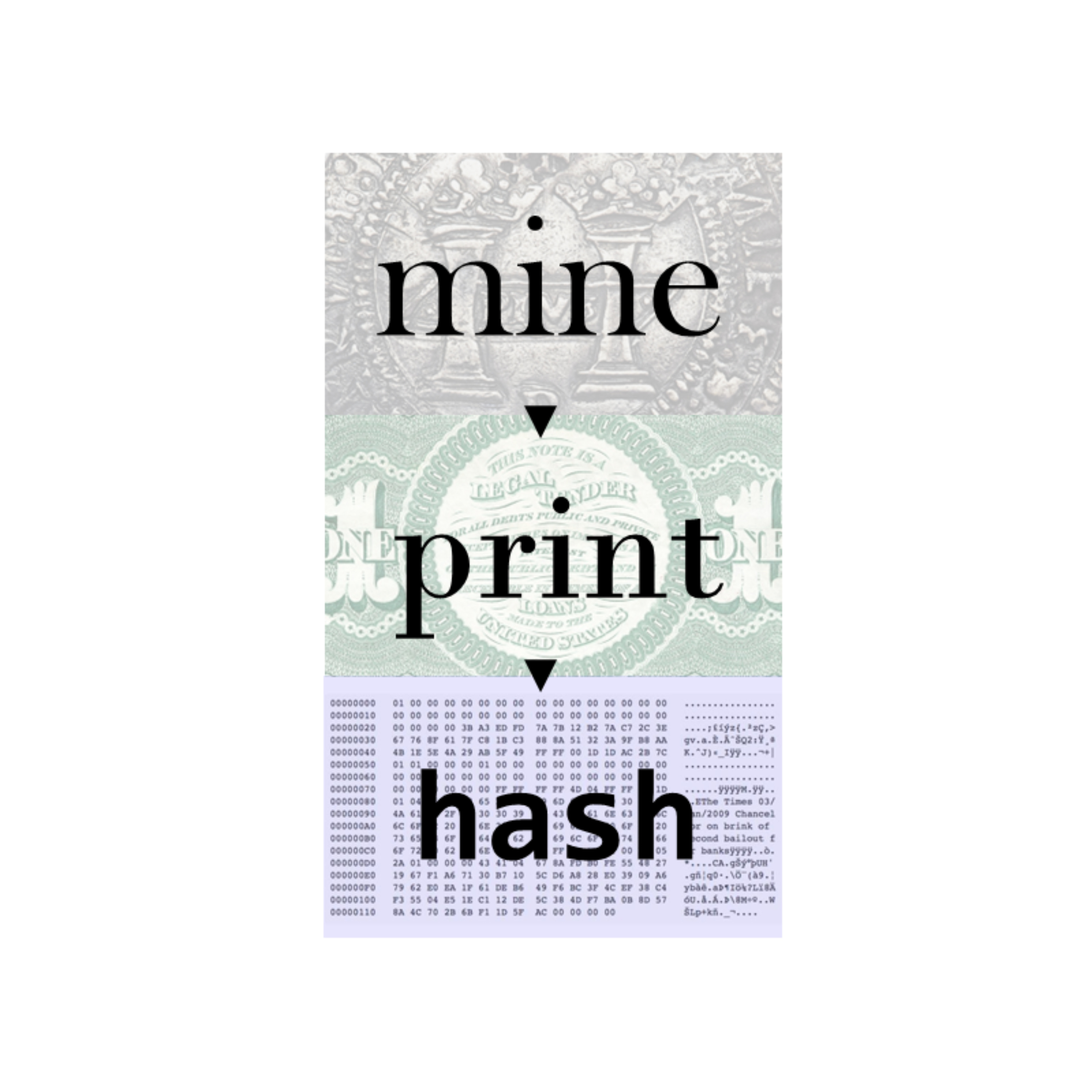
OpenAI requested government backing for data center investments, which has since been walked back. Matt explains this through historical context: bubbles are not inherently bad but rather necessary mechanisms that pull the future into the present by getting investors excited about new technological waves (11:00). He traces this pattern from the South Sea bubble and Dutch VOC to railroads in the 1860s, radio and telegraph, and the 1990s internet boom. The key insight is that all investment in new productive technology starts this way - you have to make capital markets speculate on an unknowable future. As Matt notes, the only way not to lose is to play at this point, because if you don't have it as a nation state, your competitor will (20:00).
Bank of Japan Policy Space: The Underestimated Liquidity Source
Treasury Secretary Bessent asked the Bank of Japan to provide policy space, which Cameron initially dismissed as a throwaway friendly comment but Matt identified as a much bigger deal than most people realize. The BOJ pioneered QE after Japan's 1990s asset bubble collapse and became the "Michael Jordans" of central bank easing (26:00). Now with approximately 4.75 trillion in liquidity stockpiled, if the BOJ allows interest rates to rise through QT runoff, it will strengthen the yen while simultaneously increasing Japanese purchasing power for imports (34:00). Matt emphasizes this represents a powerful liquidity effect that will flow into US markets, marking a transition from the post-2008 policy window into a new era where the US wants liquidity to come from private sector reflation rather than Fed intervention (39:00).
Scott Bessent Assessment: Hall of Fame Treasury Secretary
When asked how Bessent is performing, Matt carefully avoids hero worship but states Bessent is very close to already in the Hall of Fame and on a short list of best Treasury Secretaries, calling him the actual leader (44:00). The general principle: when Scott Bessent opens his mouth, examine it and pay attention because most likely it was very important.
🔑 KEY TAKEAWAYS
- Don't over-interpret the NYC election as signaling broader political trends this early in the Trump administration cycle.
- AI investment bubbles are historically necessary to fund technological advancement - the question is not whether to participate but recognizing this as standard capital market risk-taking.
- The BOJ policy shift represents a massive underappreciated liquidity source that could fundamentally alter global capital flows.
- Scott Bessent may be positioning as one of history's most effective Treasury Secretaries through strategic international monetary coordination.
- Bitcoin Easter egg: Bessent tweeted about Bitcoin late Friday, signaling potential direction for 1-3 years ahead despite current drawdown.
🔗 LINKS
- 🎧 Subscribe to the Build Weekly Roundup: https://open.spotify.com/show/7bvfjkPjQ67Eugg8EYdoe5
- 🌎 Build Asset Management: https://getbuilding.com
- ⚓ Build Bond Innovation ETF: https://bfix.fund
- 📈 Build Secured Income Fund I: https://buildbitcoin.com
📱 SOCIAL MEDIA
- Build Asset Management: https://twitter.com/BuildMarkets
- Matt Dines: https://twitter.com/LeveredUSTs
- Cameron Otsuka: https://twitter.com/CameronOtsuka
- Dave Martin: https://twitter.com/DaveMSocial