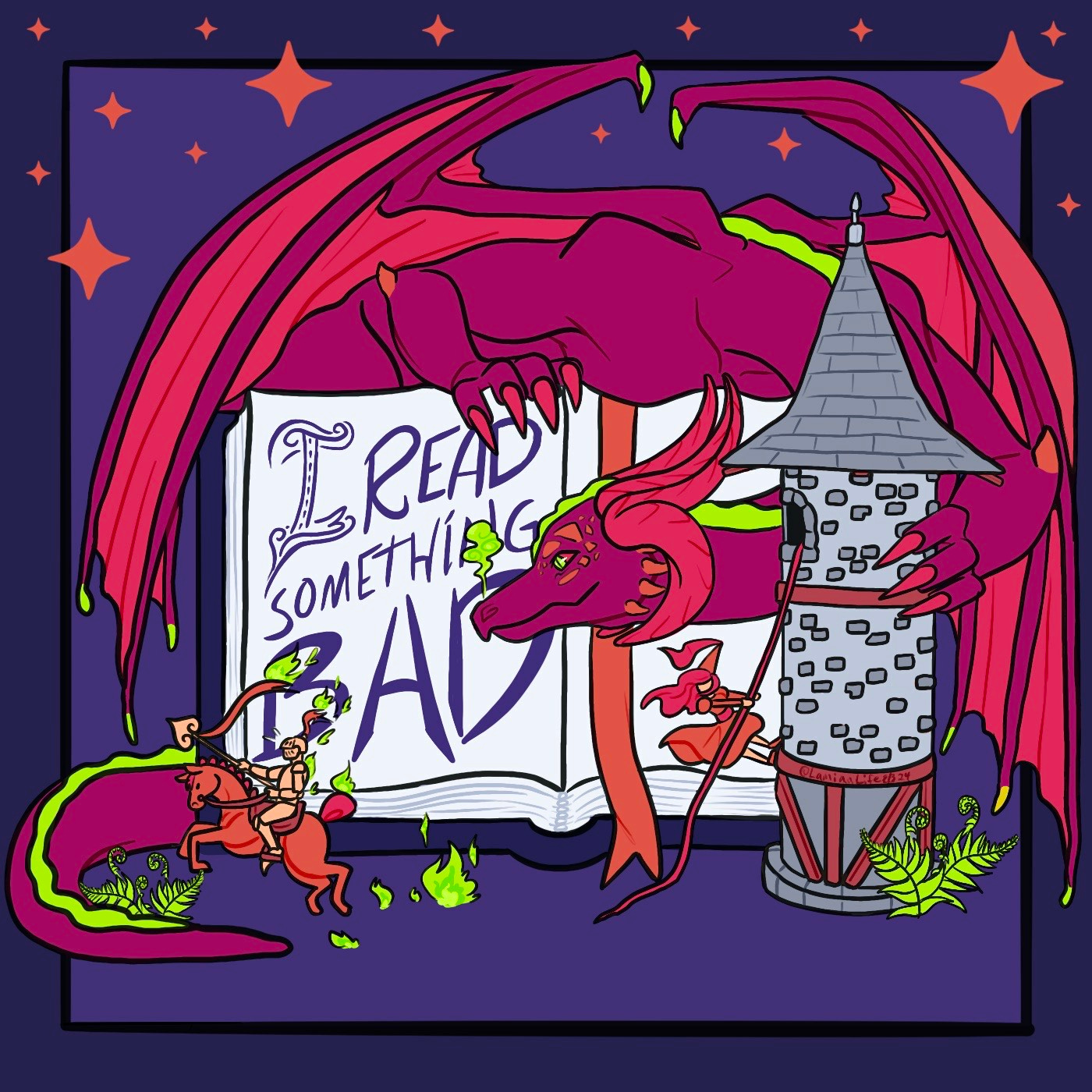
Today your Matron Saints of Spice are tackling the ever-controversial question of why so much Christian art feels thin, didactic, and aesthetically weak—and just plain BAD.
We’re getting real about how flattening the Bible into surface-level application points has destroyed our capacity to engage layers in any medium, why making Ruth and Boaz into a love story completely misses the point about welcoming the stranger, and how capitalism turned humans into resources to be used up—which means our entire identity got wrapped up in usefulness instead of Imago Dei.
Topics Covered:
* The definition of good art as opening perception and making room for the reader versus bad art that reduces experience to propaganda with predetermined conclusions
* Why Christian art often fails the hospitality test—inviting someone over just to lecture them about what to believe instead of offering actual coffee and conversation
* Post-Reformation history of shifting from visual imagery (icons, stained glass) to language-only emphasis, and how the printing press made accessibility a priority that accidentally flattened everything
* The Enlightenment’s need for certainty, empirical knowledge, and being on the same page—which bled into making messages crystal clear at the expense of mystery and layers
* How “Facing the Giants” versus “Remember the Titans” shows the difference between heavy-handed Christian messaging and wrestling with justice/humanity through storytelling
* Why Ruth and Boaz isn’t a romance about finding your person—it’s about Boaz depicting how Jesus welcomes strangers and provides for the vulnerable (Ruth said “where you go I will go” to NAOMI, people)
* The collapse of context and layers in Bible reading, and how treating Scripture as flat application points instead of artistic literature kills our ability to engage depth anywhere else
* How usefulness became our framework for existence instead of beauty, and why that’s devastating when your productivity disappears but you’re still made in the image of a creative God
Good art invites wonder and makes space for mystery. Bad art tells you exactly what to think and then wonders why you’re not engaged. 🎨✝️📖
Timestamps:
02:00 Defining Good Art: Hospitality vs Heavy-Handed Messaging
06:00 Intimacy and Openness as Framework for Beauty
09:00 Why People Want to Be Told What to Think vs Asking Questions
11:00 Facing the Giants vs Remember the Titans: What We’re Wrestling With
14:00 Stained Glass Windows vs Sharpie Statements: Losing the Layers
16:00 Post-Reformation Shift from Visual to Language-Only Emphasis
20:00 Teen Talent Competitions and Performing for God’s Glory
23:00 When Church Art Became Branded Word Art from Hobby Lobby
25:00 Iconoclasm and What We Lost by Rejecting Visual Beauty
28:00 Ruth and Boaz Isn’t a Love Story About Finding Your Person 3
1:00 Reading the Bible with Layers: Literature, Language, Lifetime, Lenses
34:00 Why Translation Is Always Interpretation
37:00 Ruth After Proverbs 31: She’s the Woman of Valor, Actually
39:00 When Usefulness Disappears and You Lose Your Framework for Beauty
41:00 Imago Dei Isn’t Broken or a Mission to Accomplish—It Just Is
43:00 Capitalism Turned Humans Into Resources to Be Used Up
45:00 Creating Without Goals: The Church Art Studio Experiment
47:00 Redeeming Love Scammed Us (The Bible Story Is Different, Y’all)
50:00 Mount Pilgrim’s Stained Glass: Good Christian Art That Inspires Justice