The phrase arrives packaged as kindness. Someone looks at you, takes in what they can immediately read, and offers it back: you don’t look disabled. They think they are being kind. They think they are reassuring you.
What they have actually done is tell you precisely how narrow their frame of reference is, and then handed you the bill for it.
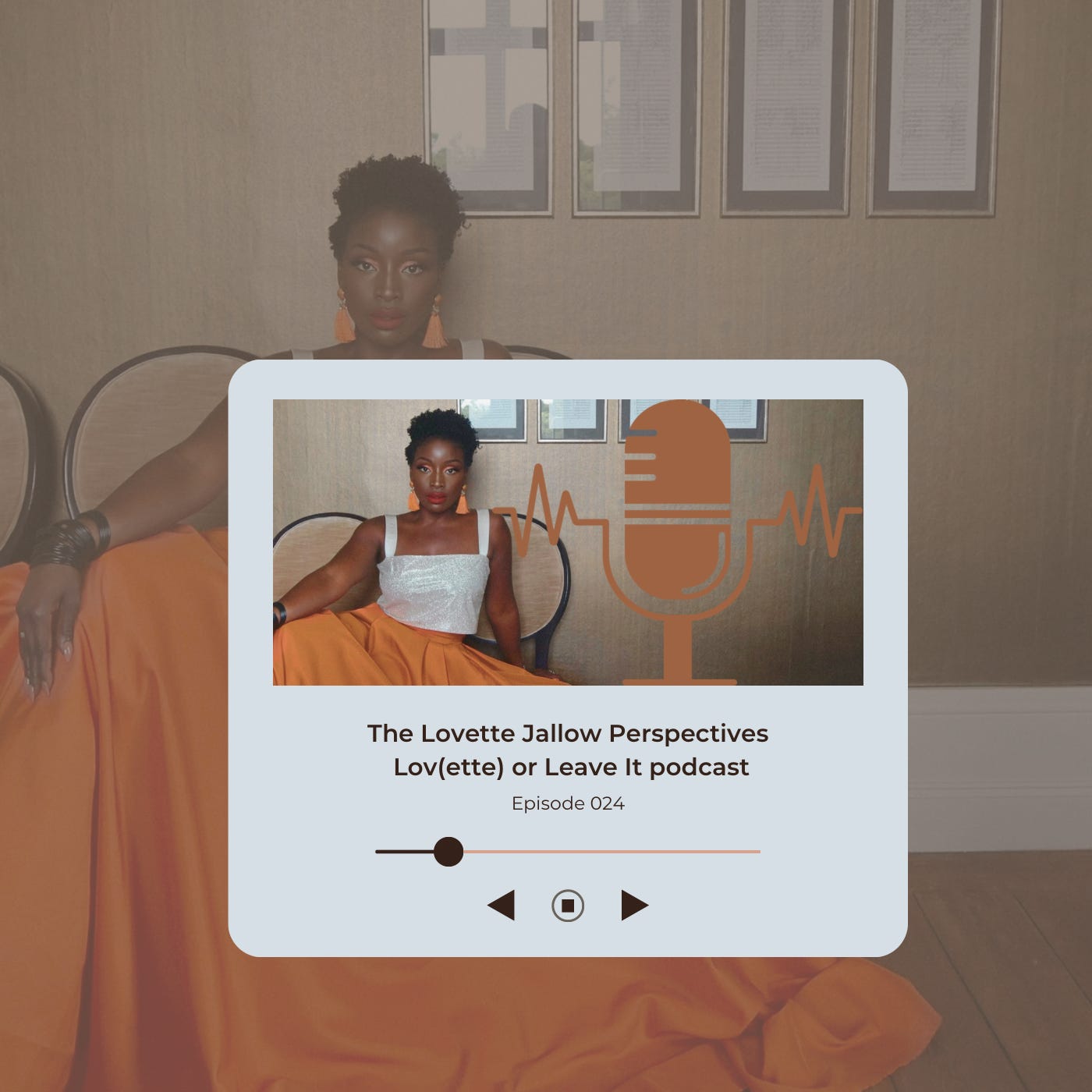
This essay is a companion to the video above. Watch it first if you haven’t. What follows is the structural argument the video opens up.
Why does “you don’t look disabled” feel so wrong?
Because it is not an observation. It is a conclusion drawn from a very limited dataset, stated with the confidence of someone who has no idea what they don’t know.
The cognitive mechanism at work here has a name: availability heuristic. Your brain reaches for the most available image it holds of a category. For disability, in most Western cultural contexts, that image is a wheelchair. A white cane. Something external, visible, legible without context. When a person in front of you doesn’t match that image, your brain quietly files them under: not disabled.
And then, crucially, some people say it out loud.
The problem is not the internal sorting. Cognitive shortcuts are human. The problem is treating the absence of visible evidence as evidence of absence, and then presenting that conclusion as a compliment to the person you just misread. You are not seeing absence. You are seeing the limits of your own frame of reference.
What does self-disclosure actually require from disabled people?
There is a particular exhaustion that comes with being invisibly disabled, neurodivergent, or chronically ill in a world that requires you to perform your condition before it grants you credibility. Diagnosis letters. Visible symptoms. Audible pain. Something legible enough that the person across from you feels entitled to believe you.
Functioning in public does not erase disability. It often reveals how much private labor has gone into surviving the interaction.
When someone says you don’t look disabled, they are seeing the output of an enormous amount of effort they had no access to. The preparation before. The strategies layered over years of trial and error. The energy spent on appearing manageable, coherent, present. What they are not seeing is the cost of that functioning, or what follows it.
For neurodivergent people specifically, this becomes particularly acute. Autism, ADHD, sensory processing differences, and many co-occurring conditions do not always announce themselves in ways others recognise. A person may appear calm while actively managing sensory overload. They may show up articulate, dressed, and present, then spend hours recovering from what the room experienced as ordinary.
This performance requirement is not accidental. Systems that tie access to self-disclosure, whether at work, in welfare processes, in medical settings, or in social encounters, were built around the most visible, most legible, most stereotypically represented disabilities. Everyone else is processed as an edge case, a person who needs to do more to prove it.
Why do systems still reward visible suffering?
Accessibility is not a reward for performing distress convincingly.
When support, accommodation, or basic adjustability requires a person to demonstrate their worst, most visible, most suffering version of themselves, the system is not protecting anyone. It is sorting people by how well they can perform pain to an audience that decides what counts as real.
In Sweden and across the Nordic region, this contradiction sits inside a particular kind of cognitive dissonance. Rights language exists. The UN Convention on the Rights of Persons with Disabilities has been signed. Formal protections exist on paper. But the lived experience of accessing those rights still often requires a level of documentation, persistence, and performance that disproportionately excludes people whose disabilities are invisible, fluctuating, or not yet understood by the systems meant to assess them.
The Convention’s own definition matters here. Disability is the interaction between a person’s condition and the barriers in their environment. That is not a threshold. It is not a visual. You cannot determine it from appearance.
Why this phrase is about ableism, not awkward wording
Some people defend the comment by saying the speaker meant well.
Intent matters less than impact here. The statement rests on a deeply ableist assumption: that disability should be visually obvious, externally legible, and easily verified by people with no real knowledge of the person in front of them.
It also places the disabled person in an unfair position. They are expected to comfort the speaker, educate them, disclose personal information, or absorb the awkwardness of being misread. Once again, the burden shifts to the person already carrying more than the room can see.
Disabled people do not owe anyone a performance of suffering in order to be believed. Accessibility should not begin only once distress becomes visible to other people.
The ask is straightforward: extend dignity before evidence. Stop treating the absence of your understanding as proof of absence.
The video above gets personal in ways this essay doesn’t. The essay gives the structure. The video gives the edge, the tone, and the lived weight underneath it. I recommend both.
If this is landing, the full archive of essays on neurodivergence, invisible disability, structural harm, and dignity is at lovettejallow.substack.com. Over 8,000 subscribers read this work each month.
For speaking, training, or consulting: Lovette@LovetteJallow.com