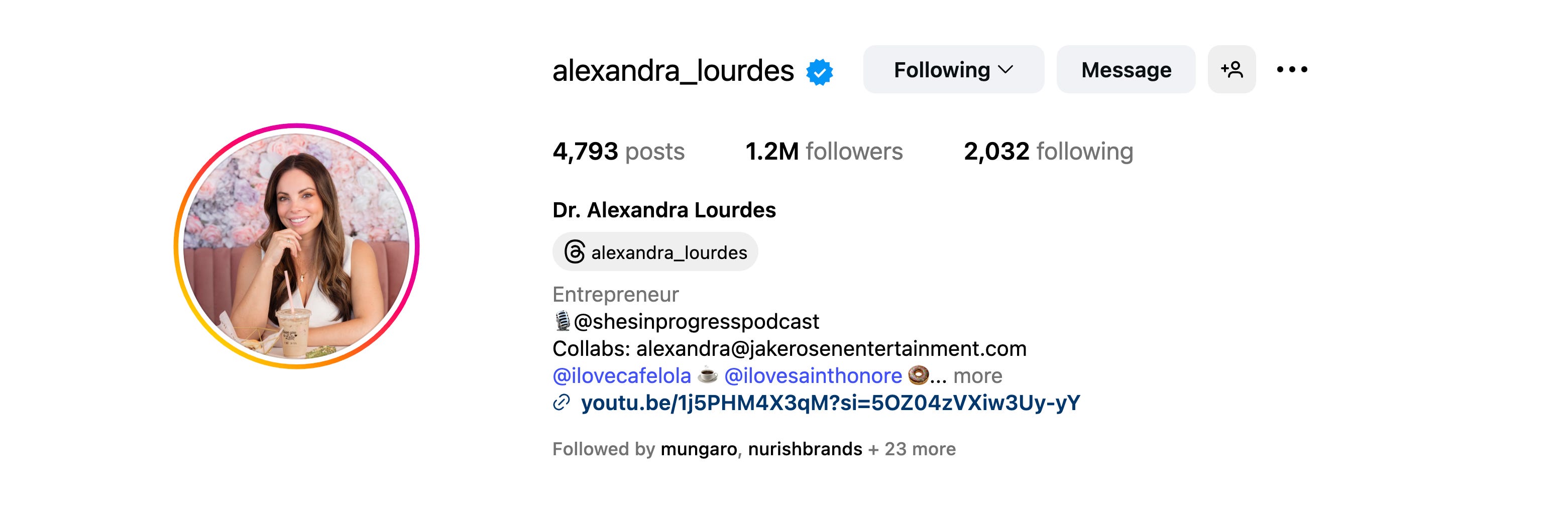
Alexandra Lourdes “creator tech stack” looks nothing like the typical restaurant technology stack—but it’s just as powerful. With three iPhones, a handful of apps, and a relentless commitment to storytelling, she’s redefining what hospitality looks like in the creator economy.
Dr. Alexandra Lourdes has built one of the most influential restaurant storytelling platforms in the country, turning daily content into a customer acquisition engine.
We visited Las Vegas recently and learned about her and the Refined Restaurant Group to unpack the tech stack that powers her creator-led approach to hospitality.
Subscribe for free to receive new video posts every week.
The Three-Phone Strategy
Alexandra Lourdes doesn’t carry around three smartphones as a status symbol. Her stack of phones helps her content creation workflow.
* Main Phone (TikTok focused): Filming short-form vertical content, usually in one take.
* YouTube Phone: Dedicated to horizontal content that’s easier to edit and scale across platforms.
* Ad Phone: Reserved for brand deals and partnerships to keep sponsored content organized.
This separation ensures speed and clarity—two things every restaurant operator knows are critical to staying consistent.
Editing in the Moment
Time is the one resource of which restaurateurs never have enough. That’s why Alexandra relies on easily accessible tools that allow her to film, edit, and post within an hour.
* InShot is her go-to editing app.
* Snaptik strips out watermarks so videos can be posted natively across TikTok, Instagram, YouTube, Facebook, and Snapchat.
“I don’t have time to film on a big camera, transfer the files, and spend hours editing,” she explains. “If I can’t shoot and post the same day, it doesn’t get done.”
Platform Priorities
Different platforms bring in different guests:
* TikTokdrives discovery.
* YouTube is becoming the surprise powerhouse, with younger audiences influencing their parents’ dining decisions.
* Instagram and Facebook delivers consistent engagement and brand recognition.
* Snapchat provides niche exposure but still helps Refined Hospitality stay visible.
She is also experimenting with LinkedIn, where she sees untapped opportunity for business storytelling in hospitality.
Engagement as Customer Service
For Alexandra, replying to comments isn’t optional—it’s customer service. She dedicates the first 15–20 minutes after posting to respond to as many comments as possible.
“It’s just another form of hospitality,” she says.
She posts daily—sometimes up to three times a day—and treats Instagram Stories as a Q&A channel, a way to connect more directly with her community.
AI as a Creative Partner
Even with her own creativity, Alexandra isn’t afraid to tap AI for support. She uses ChatGPT to:
* Generate drink names
* Brainstorm menu ideas
* Suggest content themes when she’s stuck
It’s less about outsourcing creativity and more about jump-starting it, she explained.
Storytelling 101 for Restaurants
Her advice to operators who feel overwhelmed by social media:
* Don’t overthink it—just post.
* Show what you have—a menu item, a guest interaction, a behind-the-scenes moment.
* Get in front of the camera—customers want to connect with a person, not just a brand.
* Embrace imperfection—authenticity performs better than polish.
“Storytelling is just another way of serving your guests,” she says. “The more you show who you are, the stronger your community becomes.”
💡 Want more from Alexandra Lourdes? Check out the full-length interview on the Restaurant Influencers show, where she dives deeper into her journey building Refined Hospitality and scaling her creator-driven restaurant empire: How Las Vegas’ Refined Hospitality Group Got Its Start.
Thanks for reading Restaurant Technology. Please share this post so we can keep growing this industry together.