Quick Google Tips
* Keep your menu structured and searchable
* Upload high-quality menu photos
* Stay active on your Google Business Profile
* Listen to feedback from your customers
* Verify your business profile properly
What’s next for restaurants on Google Search?
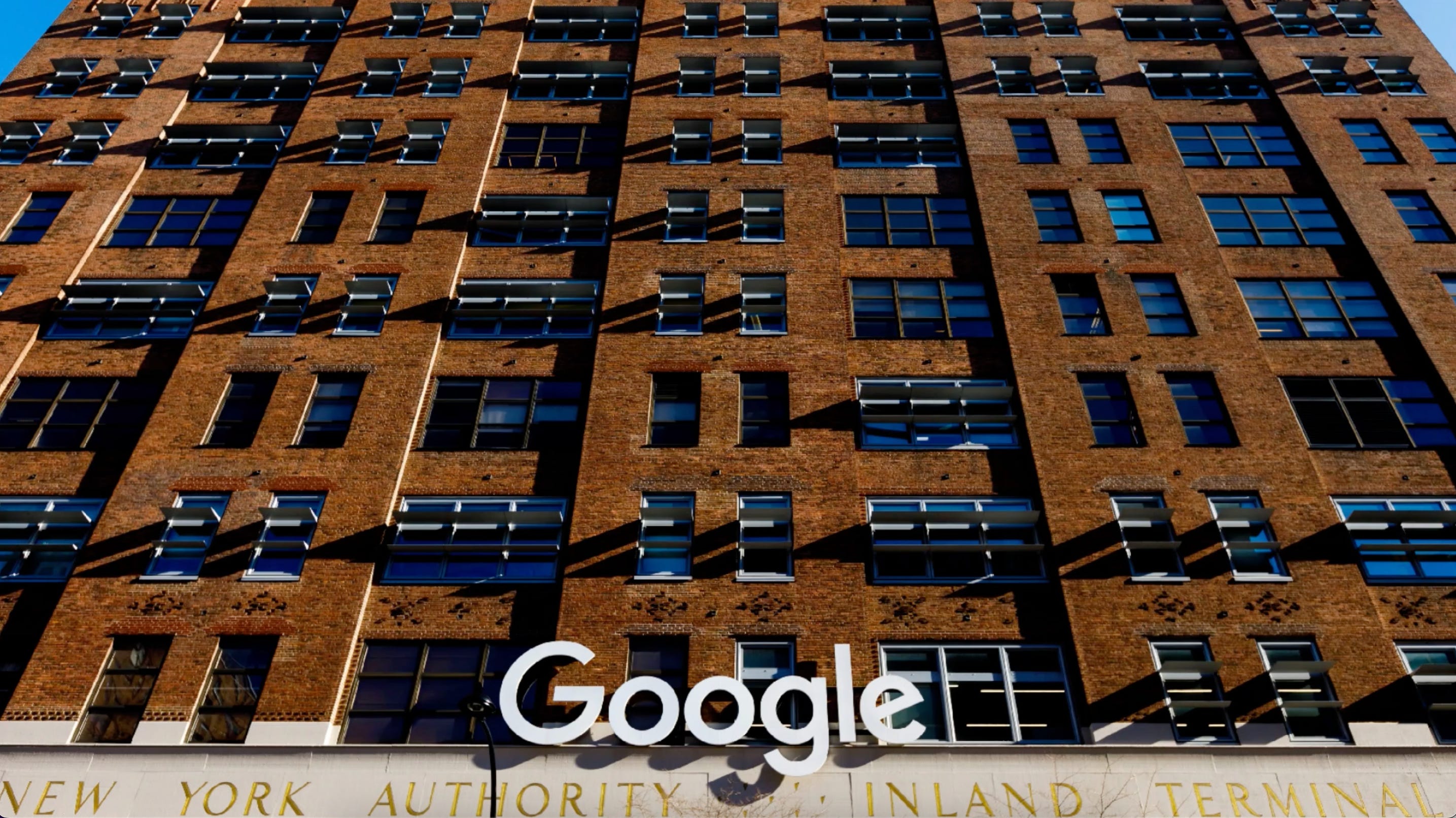
That was the topic of this talk I had with Mike Nagy, a product engineer at Google, during my trip inside their Chicago offices.
You can watch the video of our conversation at the top of this post. If you do, please let me know what you learned.
From menu optimization to business verification, Google is evolving its tools for restaurants to give them ways to show up better online.
Building Better Tools Starts with Listening
Before diving into product features, Nagy made one thing clear: the best tools come from listening directly to operators.
He admitted that Google “tends to be sometimes a little bit too academic,” but that he prefers real-world input over internal theorizing.
“You can short-circuit a lot of paperwork if you just talk to real people and talk to the end customer.”
Nagy even spends time in online communities — including Reddit — to stay close to user feedback.
That direct connection, he explained, helps the Google team understand what’s actually working and what needs to change.
Why Structured Menu Data Matters
When it comes to standing out on Google, Nagy said it’s “all about menus.”
Structured, detailed menu data allows Google to show a restaurant’s offerings to customers who search for specific dishes — not just restaurant names or cuisine types.
“You might be searching for poutine near me and not necessarily like a pub that has poutine,” Nagy explained.
That means restaurants that take the time to upload searchable, structured menus are far more discoverable than those relying on static PDF or image uploads.
High-Quality Dish Photos Make a Difference
Beyond data, presentation matters. Nagy said one of the most overlooked opportunities on a Google Business Profile is uploading high-quality photos of dishes.
When users can easily scan a menu and see appealing, accurate images of each dish, it helps them make faster decisions — and it gives restaurants a chance to showcase their best work.
“No one is more invested in providing an authentic, high-quality representation of their product than the business,” Nagy added.
The Importance of Accurate Data
Menu pricing is another key piece of the puzzle. Nagy noted that many restaurants fail to update their prices regularly, leading to frustration when guests arrive expecting lower costs.
While price isn’t always the deciding factor in where people dine, Nagy said it’s essential for setting proper expectations.
“Having menu prices that aren’t from the first term of the Obama administration sets consumers for a more realistic expectation of what they’re going to find when they walk into your stores.”
Regularly refreshing prices helps Google display accurate information and ensures customers know what to expect before they visit.
One of the most impactful new updates for restaurants is Google’s effort to surface social media content directly on the search page.
The feature highlights posts, offers, and events in real time, pulling in fresh content that businesses are already sharing elsewhere.
The goal is to make local search feel more dynamic — helping diners see what’s happening right now at a restaurant, not just its static business info.
And because Google already recognizes verified social media handles, restaurants didn’t have to do anything for this to work. “It just worked,” Nagy explained.
Video Verification Tools
For years, business verification has been one of the most common pain points for local operators. Nagy acknowledged that it’s “one of the most contentious processes” in Google’s community forums — but said that’s changing fast.
Google has replaced the old postcard system with new video verification tools, allowing businesses to confirm ownership through a quick on-site walkthrough.
“We can verify based off signage, access to some secure back room, whatever. It allows businesses to be more easily verified.”
Subscribe to this Substack for more conversations with leaders shaping the future.