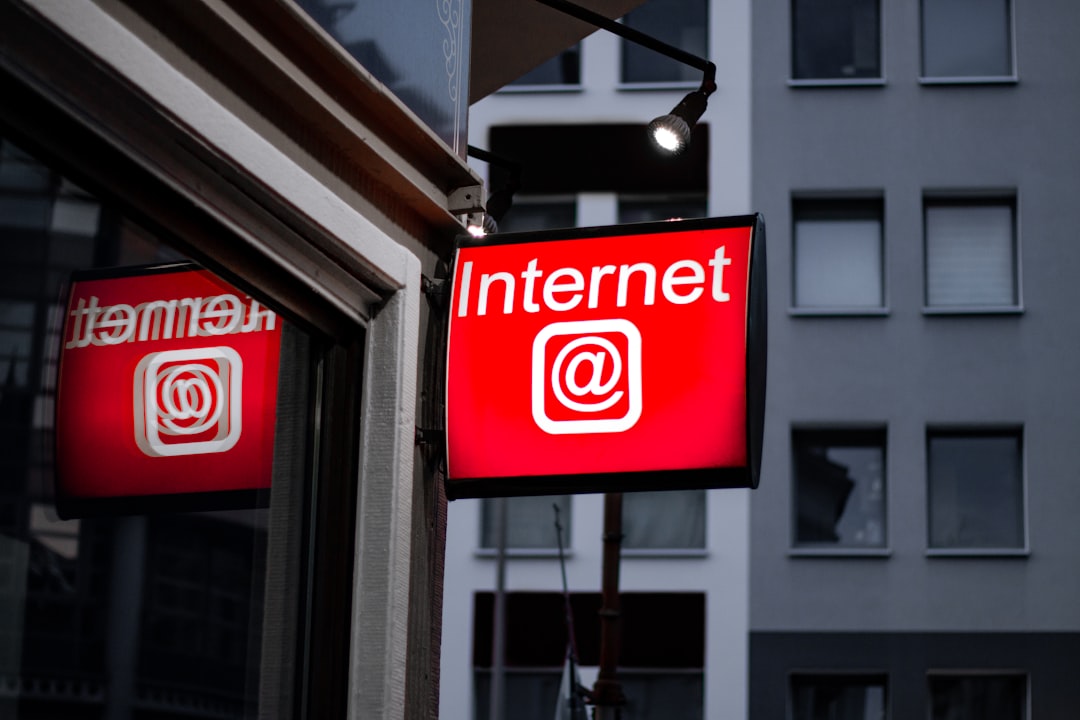
Once upon a time, the internet seemed like it might finally do what nothing else in human history had been able to achieve: create a level playing field for all of humanity.
With countless voices sharing ideas, social media, in particular, had the potential to elevate us all to a better, more connected human experience.
But today, we get spammed by bots, mocked by trolls, and spend hours doomscrolling. Disinformation campaigns rule the internet, algorithms feed us rage, and voices are censored for political and monetary gain. As a result, people are reporting feeling lonelier, anxiety and depression rates have climbed, and we’re more divided than ever.
Lara and Rowan saw the birth of earlier platforms like Myspace and Facebook. They jumped in with both feet on several of them over the years, joining and building communities while encouraging everyone they knew to get online. But these days, they’re asking themselves what a lot of folks are: Is it time to get off social media?
Links
Rowan’s new coffee shop!
Transcript
(Transcripts have not been edited for accuracy :)
[00:00:00] Rowan: we’ve created these. Technologies that could be fantastic if we could just grow a little as a species to catch up to where we are intellectually Welcome to unboxing it. I’m Lara.
And I’m Rowan.
[00:00:39] Lara: And this is the first podcast that we’re recording in 2026.
[00:00:44] Rowan: It’s true ‘cause the last podcast we recorded in late 2025 because we wanted to have something for the new year for you. You’re welcome.
[00:00:52] Lara: That’s right and we are coming into this new year. We have a lot going on.
Rowan is getting his coffee shop ready. I am watching, Heated Rivalry on repeat. We have different things going on, but you know, both. Both important.
[00:01:12] Rowan: Yeah. Both equally busy.
[00:01:13] Lara: Equally busy, equally important. We’re not talking about it.,
[00:01:17] Rowan: Hey, equally gay when we think about it.
[00:01:19] Lara: Equally gay,
[00:01:20] Rowan: they’re both pretty queer, so there’s that.
[00:01:21] Lara: Yeah,
definitely equally queer. so that’s where we’ve been at coming into 2026, but also we are ready to still create some podcasts for you. And today the topic is one that I proposed and I thought would be really interesting because Rowan and I are both people who have been online. For longer than the average person.
We were very early adopters to the online world. We were both doing the BBS thing, which is bulletin board system, which was when we would dial with our modems from one computer directly into somebody else’s computer, and I don’t think we need to try to explain why that was. Fun thing to do, but just know that it happened and we both did it before we knew one another.
So we were very early adopters to this digital world, and we’ve come to a point where right now Rowan is opening a coffee shop and really starting to focus on being in person and not necessarily online all the time. And I’m also thinking a lot about. Pulling back from digital for a variety of reasons that I think we can talk about today.
I’m not sure that was a great introduction, other than we’re gonna talk about the internet and how we feel about it.
[00:02:42] Rowan: Yeah, because I think
society. Really pushed the internet on us. It was really big. I mean, obviously there were all the fear-mongering things about, oh, there’s all these predators online, which honestly is true. And you know, there are all these ax murderers, which is a little less true, but, occasionally, it was gonna be this really frightening place for young people but overall, the message that we got, and frankly I think that we both subscribed to and pushed ourselves, was that it was a pretty cool place that you could meet lots of people you could. Find others who are interested in a lot of the same things you were.
It could connect you to the world, so it could make you happier, it could make you more social, it could make you more educated. It could help you get your news and fact check things. The world was your oyster with, a dial up modem and then eventually a dedicated high speed modem.
But at the time, a dial up modem, what is really hard to reconcile as somebody who spent so long. Loving the internet and all it could do for me and all that I saw it doing for others. And in fact, I built a career on the internet. I would not be an author today if I didn’t have a blog, and that blog got me enough.
Readership and enough of a platform to tell a story that I was approached by a publisher to write a book. I mean you know, I would not have the speaking engagements that I’ve had and just all of the, good things that have come my way, if not for the internet. So it is really hard to look at what it’s become today.
What it is devolving into in so many ways because it’s, it’s sad. It’s like something that was really healthy and full of promise has gotten very sick and is dying.
[00:04:42] Lara: Yeah. I think I was somebody who felt like I was spending a lot of time convincing people. The internet was good that because so many people were like, well, you can’t make real friendships and you can’t make good connections, and it’s antisocial to be on your computer all the time.
And I was like. Okay. But also you can make really great connections. I have made so many incredible friends, Rowan, if I hadn’t been online, you and I wouldn’t be friends. Like I have made so many amazing friends, and so I was on the side of like, I’m going to show you that this is a good thing. I met my husband online.
I mean, I was trying to think about this before this episode. How many people did I date that I didn’t meet online? And I was like, if I didn’t meet them online, then probably they were introduced to me by somebody I met online, mostly very online. So I’ve just met so many people and so.
It does suck to have been somebody who was like, just let me explain to you that this is good. To suddenly be like, I’m not sure it’s good anymore. I’m not sure. I’m not gonna go away, but I am like, I think I need to take a couple steps back.
[00:05:56] Rowan: Yeah. I feel the same way. I used to.
Know that everybody that I talked to online was a real person. Now, they might not be a nice person, but they were real.
[00:06:06] Lara: Mm-hmm.
[00:06:07] Rowan: And now I don’t know that anymore because some places are 40, 50% estimated to be bots. They are specifically created to engage in certain ways that benefit. Certain political views, certain governments, certain, ideas and, you know, I used to be able to believe pictures because yes, Photoshop existed, but you could usually tell when something was photoshopped and now it’s getting to the point where you can hardly tell that something.
Has been AI generated and it’s just gonna get better. It’s getting better and better. And I just watched a video on YouTube the other day where this person who is an AI expert was saying the scary thing is that when you ask some of these tools, is this AI, is this image, AI? Is this video AI? They’re pretty good at detecting if they are.
If they were generated by that tool originally.
If they were generated by a different AI tool, they may not pick up on them being AI, and in fact, they often don’t, which means you really will never know most of the time. And so you have AI Taking over conversations, AI stirring the pot, creating rage bait for people to argue about.
You have AI creating things, videos, things that used to be fun. Somebody would catch this adorable moment with a baby or a dog, or, you know, something really spectacular happening. And now it’s like. Do we even know if that actually happened? It probably didn’t. it’s taken a lot of joy out of things so that’s just one facet of the internet that has really started to turn me away because if my entire reason for being there.
At least in a social capacity was meeting people and talking to people and making friends reaching people, educating them. As I do my work, there’s very little incentive to do that anymore because I don’t know who or what I’m talking to.
[00:08:21] Lara: Yeah, it’s the , okay, yeah, I could have created something on Photoshop before and maybe you wouldn’t have been able to tell, but generally if I did that.
I’d be telling you that I did it on Photoshop. Whereas now all these people using bots and AI, they’re trying to trick people. Which number one makes me upset because I want to believe that inherently people are not trying to trick me, and it turns out I’m wrong. There are people that do wanna trick but also, yeah, it’s taking out. A lot of the authenticity. It’s taking out a lot of the things that I used to spend so much time telling people,
made the internet good. It’s disappearing and it makes me sad.
[00:09:04] Rowan: There’s also influencer culture. And there’s a big backlash against that now. in my opinion, for good reason. I’ve never loved influencer culture, I’m not anti influencer by any means. I think it’s really cool when you can make a living online, but the culture in general has really become this culture of, curated perfection and sort of the extreme version of that.
Is, you know, the sort of the fashionistas who go on these, $5,000 shopping sprees and then come home and say like, help me pick out the best handbag under the four designer handbags I bought today. What’s gonna go best with my outfit? I think for a while that was interesting to people.
But now as People are struggling more financially in a way that they weren’t before or as much, it’s becoming harder to relate to this curated perfection, and a lot of people have expressed frustration that.
They don’t know if an influencer really likes something or if they’re just being paid to say it because they got paid enough to say that they like this place. And so it used to be that you know, oh, we’re gonna go check out that new restaurant because our favorite influencer showed up and really likes it.
But now it’s more like, do they really like it? And then there’s also reports of. Influencers, you know, and this hasn’t happened a lot. I’ve only seen a couple. I was watching a video specifically on this when I was thinking a lot about internet stuff, so this is pretty recent, but there was a video that I saw where.
An influencer made comments about how she received really poor service and was mistreated by staff, and the restaurant actually responded and said, we have video footage, because we just have cameras up and what you’re saying didn’t happen. Here is the video footage of you and the situations, and so.
It’s just again, what’s real and what isn’t anymore. So I think those are parts of the issue and another big issue, especially when it comes to social media, but this trickles down to even YouTube and a lot of other things that we’re seeing. Even the news that, browser window might wanna show you it’s all curated by algorithms now.
So the news that I see might not be the news that you see and my user feed. Like when I log into, threads or Instagram or Facebook or whatever it might be, my TikTok, it’s going to look different than yours. So we’re getting different content and. There are voices. A lot of people have been saying this.
There are certain voices that are being all but silenced. They’re putting out content and they’re not getting any traction and. There tend to be similarities in the types of people. So you’re seeing a lot of trans voices, for example. I don’t feel like I’m encountering that personally, but there are people who I would say have more followers than I do, tend to have a lot more engagement than I do.
Suddenly on some of these platforms are really struggling to get engagement. And they can’t figure out why, because they haven’t done anything different. And then it’s like a switch went off. So algorithms are influencing. What people see. I have had people say to me, oh my God, Rowan, I haven’t seen a picture of you in months.
I’m on here every day, but I haven’t seen you in months, and I just saw this picture of you. Wow, you look great, and this person follows me. And so you’re not even seeing the people you want to see anymore. Like Instagram has become this place where. I don’t see my friends anymore. I just see a bunch of ads and a bunch of big accounts and a bunch of reels, and I’m not seeing nearly as many people.
And that was the whole reason I went on there. That’s why I’ve kept my follower accounts so small is so I can specifically follow the people that I care about. So for all these reasons, I feel like the internet has just degraded and degraded and eroded and become this place that is just not very.
Fun or usable anymore?
[00:13:15] Lara: Yeah, my Facebook is mostly ads or recommended things that I don’t really wanna see, and very little from my friends, and that’s very different, right? Like I was on Facebook before any of my friends, well, I guess one friend was there first. That’s how I found out about it, but I would’ve been.
2007. That makes sense. I’m gonna say 2007,
[00:13:40] Rowan: that’s about when I joined too. Yeah.
[00:13:42] Lara: So it’s changed a lot. Twitter, I was really active 2008 to 13 I think. I left much earlier than most people, but we’ve seen these things change.
While the algorithm sometimes plays in my favor, and I’m sorry for all of 2026, maybe forever, I’m just gonna keep bringing up Heated Rivalry, but it has done a great job at feeding me so much content on Heated Rivalry, like well done algorithm, but usually I don’t think that. It’s a great thing, but it does, it does, it learns you, right?
So I really like art. I mostly see art when I’m on Instagram. So in some ways it does a good job at understanding you and giving you content that you’re interested in. But the really dangerous stuff is when it only shows you. Stuff from within your bubble. And then that’s why you know when elections go a certain way.
And I think everybody I know agrees with me, but clearly that’s not true because the election went a completely other different way. And they also think everybody agrees with them. Like, we’re getting segmented, we’re getting put into these little containers, we’re not hearing from each other anymore. And.
It’s just, I don’t know, it’s not good.
[00:15:08] Rowan: Even if we go to real people, like sort of continuing that thought, there are still a lot of real people online and I engage with many, so I appreciate that, but. One of the things that has happened for a long time, pretty much since the internet became the internet, but it’s gotten worse and worse, is the erosion of nuance and grace.
We don’t tend to look at things with nuance anymore. It’s either black or it’s white. It’s either good or it’s bad. And people are either good or they’re bad. And mistakes are either mistakes that are the worst thing you could ever do and you’re a terrible, terrible person and you’ll be shamed forever.
Or they’re not mistakes at all. I think that this is because we have been put into these silos, these echo chambers and. A lot of things are discussed without allowance for nuance, without allowance for,
well, I guess a good example of that would be
if somebody says, I
really like the color yellow. It’s a very nice color. And I think yellow makes everybody happy. Somebody else jumps in and says, well, you didn’t consider the people who’ve been in an emergency situation and yellow has been a color of, you know, what about colorblind people?
And I know that’s a silly example, but you see this all the time, right? Like This happens. All the time. The, you forgot about this and you didn’t think of that and do better. it’s not constructive conversation. It’s just tearing each other down and this sort of self righteousness that is so, so common.
When I wrote my second book, I actually researched that phenomenon because I really wanted to know what is it that gets people like that? And I read a couple studies about how that type of self-righteousness, it, it ignites all the happy hormones. It gives you this nice reward and it’s hypothesized by anthropologists that.
When we were, say, living in caves and we were members of a group that needed each other for survival, if one person was sort of acting out of turn and not pulling their weight or stealing food or whatever. Everybody jumping on them and shaming them so they wouldn’t do it again, was a survival thing.
And if they kept doing it, they would, you know, kick them out or worse, but I mean, we were rewarded for that because that’s what kept us alive. And our instincts knew that, unfortunately, it doesn’t translate very well to online spaces because we’re still animals.
We still have these same behaviors. And these same reward systems. And now when somebody says something we find offensive or forgot about this or. Said something that we’re taking outta context maybe, or maybe we’re not. It doesn’t matter whether we’re right or wrong, but this idea of piling on and just being one of the many, many voices that has now told this person that they’re garbage and they should get off the internet and go walk into the sea that triggers the same reward system.
So we’ve created these. Technologies that could be fantastic if we could just grow a little as a species to catch up to where we are intellectually and why we’re creating all this technology. So I just think it’s like we’re not it emotionally and instinctively, I guess, mature enough to handle the stuff that we are creating and putting in front of ourselves.
[00:19:05] Lara: Yeah. And - Yes, and
[00:19:08] Rowan: Yes, and!
[00:19:10] Lara: I saw another video. I mean, I think it makes a lot of sense that since we’re talking about the internet and how we’re impacted by it, we keep being like, and then I saw a video or I researched this thing, but it was a video and it was Bernie Sanders and some other man were being asked a question by somebody in the audience.
And the audience person, first of all said, well, have you ever seen Wall-E? Which is a movie that I think he misunderstood because he was like, technology can make life easier for us and technology can mean that we don’t have to do some of the, work that doesn’t matter, right?
Like it’s gonna make life better. And I was like, that is not what that movie’s about. Okay, let’s put that aside for a moment and say, yes. I think technology was always dreamed of as a thing that would make the world better. It would make it easier for people. It would mean that, if jobs were taken over by technology, that would mean that there would be less burden on the rest of people so that everybody could have an easier life. Not.
Now I’ve lost my job and I’m gonna go live on the streets while a robot does my job. Like that is not the ideal of what I feel like a lot of people thought technology could do for the world. And the point, I think it was Bernie Sanders who said was, do you think that these. Few billionaires who are in charge of so much of the internet and AI and where we’re going ultimately want to create an equitable, helpful society.
Do you think that that’s what the people who are in charge want and. The answer is no, probably not. And therein lies the problem because is it possible that technology could do a lot of good for the world? Yeah, I think it could, but it can also do a lot of bad. And right now, that’s what I’m seeing more than anything because it’s being led by people who.
Want control, not to just make the world a better place for everybody.
[00:21:12] Rowan: That leads perfectly into a post I wrote last night, which is what you texted me about this morning. I think I’m gonna read it in its entirety, if that’s okay.
So I said our coffee shop opens later this month, and I’ve been thinking about what it means on a deeper level since we first dreamed it up. What I’m most excited about is that I feel like we’re creating something real in a world where it’s becoming harder to figure out what is.
Between AI, deep fakes, algorithm suppression, bots and rage farms, our online experiences are being constantly manipulated. It’s becoming more important than ever to reconnect in person, as human beings to be real together. I’m a younger Gen X, and while I didn’t grow up online, my adult life was largely shaped by it.
The internet was a huge part of how I met friends in my late teens and beyond. I loved the internet. I loved what it gave us a place to meet folks we never would’ve met otherwise. I still love that today, but I also see what it’s done to us, how it’s harmed us. We say awful things to each other. We’d never say in person.
We forgo grace and nuance in lieu of, offense and righteous indignation. Because we can’t read body language or tone in text or because we only see 30 seconds of someone’s life in video format, we’re quicker to take something out of context or jump to conclusions. We forget who we’re judging.
Insulting, or condemning is a real human being. We forget their humanity because it’s so easy to do. all of this only helps those at the top who are hoarding the power and the money. Large companies who own our social media love when we fight. They love our outrage, our drama. They love our desperation and our doom scrolling.
They love the dopamine hits we get when we open the apps again and again and again because it consumes us. We forget to read books, we forget to go outside. We forget to see our friends. They get our attention and they get richer off of it. And no, I’m not saying we shouldn’t be online. I’m online right now because I was when I was writing this, but I’ve also done all these things I’m describing and sometimes when I’m not careful, I fall back into it.
For a long time, I’ve wondered what we can do to fix what’s happening, how to repair the cracks in humanity and come back together as people because we need to, if we’re gonna turn this tide on what’s happening to us, they want us distracted. The big companies, the right wing politicians, they need us to be.
I know I can’t fix all the problems, but a small thing I bring to the table is understanding the power of human connection. I love people and I love the magic that happens when we come together in a room. We form strong bonds, we create big things. We experience deep joy, and in those moments we can do anything.
That’s what building out this coffee shop is, to me, it’s a gathering space for humans to be human in. It seems so simple, but we need more of that. We are in the fight of our lives, my friends. The global threats we’re facing affect us all. We’ll still need our online spaces to socialize and organize, but I predict offline spaces will be just as vital in the next few years.
A lot of folks are already disconnecting more frequently, joining local grassroots organizations, reading books, learning instruments, crafting, playing board games, and reconnecting with the world through their own neighborhoods. I’m excited to play a small part.
[00:24:40] Lara: and I think that the coffee shop and creating this space is gonna be so good for people, You know, when I brought up this topic, it was just to highlight that this shift is happening, that people like you and I, who were early adopters who loved the internet, are now maybe early adopting, letting it go a little bit I can’t imagine not being online. There are people all over the world that I don’t know how I would stay connected to otherwise.
But also, you know, there are these little moments you’re opening a coffee shop. I am creating a mail club where I am sending in the mail. A paper tangible thing to people , and I’m encouraging people to then send postcards to other people because I think there’s something about that tactile analog piece that we maybe got a little too far away from.
Like it’s one thing to do it less. But I feel like we’re, doing it almost not at all, right? Like all the newspapers are gone and almost nobody reads magazines. And if you go to your mailbox, it’s usually just flyers and maybe bills. But even those come electronically most of the time now. And I think that having something a little bit more personal and
a little more tactile.
It is something that we need.
[00:26:01] Rowan: Yeah. I think what the internet brought people was this idea of big, so you could create digital art and it could be shared all over the world, but if you create a piece of art, a picture could be shared. I guess that’s true. I mean, I’ve, I’ve certainly shared my art. With the world via taking a photo of it.
But when I paint it’s very local, you know? And you know, it’s like you could be a local celebrity, but you could also be known all over the world without ever having been cast for a movie part or been put on the national news. So. It gave people this opportunity and it still does to make it really big, to make things that touch people all over the world, and I would argue that that is lovely and I’m all for it.
And also
there’s nothing wrong with things being smaller. There’s nothing wrong with. directly affecting the people in your city or your town. There’s nothing wrong with having a little art gallery that people come and visit. There’s nothing wrong with. Having your poetry shared on the walls of your local library.
Right. I think that there’s something really beautiful about that. I think that we have gone so far the other way that we’ve almost convinced ourselves that leaving this space that has all this potential for growth is somehow bad. And I say leaving. I’m not leaving. I’m still gonna be online, but I’m gonna be online less.
I mean, I’m gonna be really busy. I’m already really busy and we haven’t even opened yet, so I’m not gonna really have a lot of time to be online. A lot of what I’m going to share sort of day-to-day. Parts of my life where I am serving coffee. I’m opening up in the morning. I am getting things ready for an event.
I’m talking about how excited I am to have hit a milestone at our coffee shop, but. The real work, having gone from being known internationally for the work that I’ve done and traveling to various parts of the world to do human rights work, to talk, to speak, to sign books, going from that to a little coffee shop in downtown Toronto, might at one point in my life, have felt like a step backwards.
we go back to success and what is success and, you know, something we talk about sometimes, right? What is success? And one might argue that, you know, once you have awards and all these, various achievements for what you’ve done internationally, what I’m doing would be somehow stepping back from something great.
I don’t think it’s that at all these days. I am so excited to do this. I think I’m creating something that is really needed in the world, and that’s what I’ve always tried to do. Is it, original, open a cafe? No, absolutely not. But is it? Important to create gathering spaces. third spaces for people, especially at a time when people are scared and craving connection, and there’s this loneliness epidemic.
I mean, I’m not talking about the men’s loneliness epidemic. I’m talking about people feeling really lonely even though we’re. So presumably connected online, all these people are feeling really lonely. We’ve cut our socializing significantly. , Young people have stopped, partying as much. They’re going out to party and, and I don’t just talk with alcohol and what have you.
I’m just talking about going out to have these big social gatherings. They’ve cut that by 50% in the last few years. I, I think. People are lonely and do I think that it’s important to create these spaces where folks can gather? Absolutely. Absolutely. So I’m really excited about that. And there will be an online piece to it, but it’s not the whole picture anymore for me, and I’m good with it.
[00:30:11] Lara: I think that the internet gave us the opportunity to go bigger, like you said. And it really did do that, right? It really did give opportunities for people who never would’ve had an audience to find an audience, for people to not have, to always have a publisher to get a book out. Like there’s a lot of things that were really great. But the bigger is better has become. Just ridiculous. Like how big does everything have to be? Why does it have to be so big? Why do we always need to be chasing the next amount of money and the next level up, up, up, up, up. And you know, I think capitalism is, answer because that’s what we’ve been taught to think.
But I don’t think we always need to be going bigger and bigger and bigger and bigger. And so coming more local and thinking about smaller kinds of initiatives is a little counterculture. It’s a little breaking down societal expectations, and that’s why I think it’s so good that we’re talking about it, that we need to just keep reminding people it’s okay that we don’t always have to go bigger and bigger and bigger and bigger and bigger.
We don’t have to feel like failures if we weren’t the biggest, most successful person. Successful. In quotes. There’s a lot that is good. There’s a lot that can be a success in the connections that we make and in the. Ways that we feel just good within our smaller lives, and to me that’s a shift. It took me a while to get there, but I notice it constantly Now.
I don’t need to go bigger to be
doing life well, but it’s still hard.
To not have that in the back of your brain telling you, well, you should be making more money. Well, you should have a bigger audience. Well, whatever it is. But I think these smaller steps away, and again, it’s not a complete step away, but just acknowledging that even, and I’m gonna say that.
Since the pandemic, it’s gotten harder and harder for me to want to go out, right? So I understand that. Like to me, I’m like, well, I could just order in. Well, I could just call somebody like going out feels like a lot. And so I am trying to make sure that I still make the effort to go out and do things in person.
Because it’s important, and while it’s fantastic that I can also spend an hour on the phone chatting with my friend in Portugal without it costing $5,000 in long distance fees, I also wanna make sure that I know where I am and how to stay connected, and that I’m not always thinking about online.
[00:32:58] Rowan: Well, a lot of people are really worried right now, too. they’re worried about the world and the things that are happening. you know, what’s the guy in the White House gonna do next? is there going to be some kind of chaos erupting around me? And I, I don’t lie awake at night worrying about our direct situation here. But I do think that when it comes to any emergency preparedness or any type of, organizing that needs to happen in a crisis or anything, knowing your neighbors is number one. And everybody will tell you that knowing your neighbors. Knowing your local community people, knowing your local resources, those are very important and just for day-to-day things.
And I think I really learned this Moving to Toronto because I live in a very urban neighborhood now, and I can walk to pretty much anything I need. There’s something really great about getting to know everybody. At your local bank, you know, actually going into banks sometimes. I know that’s a luxury.
I’m going to. Really not like that. I can’t bank locally soon that I’m gonna have to do everything online ‘cause I’m gonna be so busy. But, but I mean, like, you know, going to my local hardware store, going to chat with my pharmacist, going out into the world, sitting in my local coffee shop, which is not my coffee shop.
It’s another one that’s up the road for me. you know, just getting to know my baristas, like all of those things are. Not only good for something extreme like an emergency, but they’re also just really good in terms of mental health. and feeling connected. Because when everything is done from home all the time, we’re missing certain things.
we’re missing a lot of body language. If mostly what we do is talk by text. we’re missing just the very real. Human feelings that happen when you’re in a room with other human beings. I think also getting outside of your house helps you get outside of your head. I was just talking to someone today who’s having a really rough time with the way the world is, and what I said to them was, go for a walk more.
Because when they actually directly asked me for advice, like, what do I do when I feel like that? And I said, I go outside. I put my shoes on and I go outside and I go for a walk, especially when it’s the last thing I want to do, especially when all I want to do is stay home. I make myself go, and every single time, no matter how I’m feeling, no matter how bad it is.
Even if I don’t feel a hundred percent better at the end of it, I still feel better than I did before because I get out, I get to see reality. I’m looking at the trees, I get to see a cute dog. There’s some kids playing in the park. You know, I, I get to wave to one of my neighbors and say hello for a minute.
Like those types of interactions, talking, the cashier, et cetera, those things. Fill me up and ground me in a way that nothing online ever does. As much as I can list a lot of things that I get online, those specific things I just mentioned are not those. So, I think it’s really important that we get out and we connect and get to know the people in our, community.
[00:36:18] Lara: I’ll also say that I don’t always feel better when I do those things, but. I am learning that the long-term benefit exists, right? So if you are a person who is like me, who’s like the stupid walk for my stupid mental health didn’t even make me feel better, so why am I gonna do it again?
Some people, it’s not going to be immediate. And I think that I just wanna remind people of that because sometimes I’ll feel like, well, why do you all feel better? I don’t feel better. Stop telling me. I’ll feel better. But there is value in doing it a little bit anyway. And understanding.
That there’s a longer term value. There’s one other thing I wanted to share because I think we’ll probably wrap up soon, which is at Christmas I gave a family gift and my family opened it up and they’re like, what is this? I was like, paper maps And they’re like, why, why did you give us paper maps?
And I was like, listen, I’m not saying. The apocalypse is coming, but I do know that multiple times in the last five years, we have lost all telephone, internet power, like in a way that. I’d never seen before in a way that I’d never been disconnected as much. Right. Like before, if your power went out and your internet went out, well, your phone still worked.
But then one day my phone didn’t work either, and I was like, we need to have these on hand just in case. And you need to know how to read a map just in case. And that’s it. it’s not that I’m saying I’m not gonna use Waze anymore to have it tell me where to go, but I am gonna make sure that there is some kind of backup that my kids know how to read a map, because we just need a little bit of both.
[00:38:06] Rowan: Yeah, yeah, exactly. It’s like I just went on about how much I hate AI because as a general rule, the way that it is being used in society right now, I do hate it, but. I don’t actually hate AI as a tool. I think it’s okay to, utilize AI in healthy ways and in mindful ways because it is so damaging to the environment.
like to sort of take, again, this is nuance. It’s nuance kids. This is, This is what I was talking about. You don’t have to be all the way over here. All the way over here, right? Like a lot of my stances are, seemingly anti-capitalist. And I was saying to you earlier, Lara, like, I’m not I am anti late stage capitalism though. Wow. Like it is pretty f*****g awful. But. I think that there is a beautiful, happy medium where we don’t have to abandon all technology, but we also pick up more of the older stuff that we used to have. Like how many of us have lost our ability to read a book? We cannot sit and read a book anymore because these 30-second videos have destroyed.
Our ability to sit down and focus on anything that is longer than 300 words. And when I realized it about myself and I started to realize, I’m like, I am a writer. I am an author who cannot sit down and read a book very often. I got mad. I got mad at what technology had done to my brain, and I made myself start to be able to sit down and read a book.
It was really hard at first. And some days when I’m stressed, it’s still not easy. And okay, , this is where I was on Twitter for too long. ‘cause now I’m like, oh. And also I recognize that people have DHD and also I recognize that people have learning disabilities. Like I’m trying to like make this big list in my head so no one gets mad at me.
But like, seriously what I’m saying is like somebody who maybe is not struggling with those things, is not dealing with those things in their lives. Who used to be able to read books all the time and now finds that they can’t read books. there’s a lot of studies out there showing that the internet has destroyed our ability to focus.
So I channel that anger back into making myself read books, and I read paper books. I actually almost only read paper books and I love it. I love that tactile feeling. And also, if I can nerd out for just a second, I wrote an entire article a few years ago on this. Paper books. Allow us the tactile function of paper and actually running our fingers over it and flipping the pages.
It helps commit. What we’re reading to long-term memory is actually very beneficial. Now, if you can only read books digitally or you prefer it and it works for you, fantastic. Do it that way. But I wanted to say for my fellow book nerds who get told they’re destroying trees, okay, yeah. We kind of are destroying trees, so, you know, we have to be mindful of that.
But paper books, they’re good for you.
[00:41:12] Lara: Yes. I don’t like reading paper books because I drop them on my face a lot because I read lying down.
[00:41:19] Rowan: Oh, imagine hardcover. Oh, you don’t have to imagine you’ve done that, haven’t you? As you’ve fallen asleep and you drop. Yeah, yeah, yeah, yeah, I even take them into the bath and I’m like, what are you doing, Rowan?
Don’t do it. Don’t do it. You’re so silly. I haven’t actually ruined, oh no. I ruined one book in the bath. But anyway, I digress.
[00:41:37] Lara: But I do like writing. This is right, like I think it’s really important for me not to just type everything. I handwrite a lot of things, especially if I’m doing any kind of thinking work, especially if I’m struggling like I handwrite.
And there are also studies that show that the connection between your handwriting of something versus typing is different for your brain and how you input information.
[00:41:59] Rowan: Wow. All the things we were not aware of when we were first introduced to the worldwide web
[00:42:06] Lara: as we called it then.
[00:42:08] Rowan: I know I just aged us.
This has been such a good conversation. I guess my takeaway from this is, that it’s okay to push back. Against making online your entire thing without having to give it up entirely,
[00:42:25] Lara: and to notice the little moments where you can step away from it, right where you can decide. Maybe I’m going to take things out of a group chat and I’m gonna invite all my friends over for a drink.
I’m gonna invite them all to Rowan’s coffee shop. Right? But whatever it is, it’s, let’s, remember to do this. And I think in this world, things just keep getting more and more overwhelming. And it’s easier and easier to not do the thing and. While I am a big believer that sometimes you don’t need to do all the things people say, I think it’s a good reminder to check in with yourself and say, maybe I want a little bit more of this analog life.
[00:43:06] Rowan: and anytime we are implementing.
A new skill in our lives or something that we’re trying, or maybe we’re going back to after years and years of not doing it. It can feel a little weird, a little uncomfortable at first, but just like anything else, like you’re trying out a new exercise or we gotta give it a little bit. So it might be hard.
To spend a little more time offline. A lot of us forget that our brains love it. Those alerts, when they started to put those notifications in, that was specifically done because psychologically our brain loves that. It’s like that little dopamine hit over and over. Every time you get a like on something, every time that little red, number pops up, whatever it is.
It might not feel great at first to distance yourself from that, but it’s like anything else. Like I quit smoking when I was much, much, much, much younger, and I remember when I turned the corner and smoking no longer felt enticing in any way. It just felt like, this is gross. Why did I ever do that? And I’m so grateful that happened, but I had to stick it out to that point. It took a long time and I think breaking any habit, and let’s face it, a lot of us these days, we go online and we start to doom scroll, and if we were to stop ourselves for just a second and go. And I, I’ve been doing this lately, that’s why I’m saying this.
Stop ourselves for just a second and go, is this making me happy? Like this is my downtime, is what I’m reading right now, making me happy. And I do a body scan, I check in with myself, and it doesn’t, most of the time when I’m reading is not, or what I’m seeing is not making me happy. So I put it down, and I put it away and I do something else.
So if we could just be honest with ourselves and be gentle with ourselves, I think many of us could benefit with a bit of a cleanse here.
[00:45:06] Lara: So think about it. Is there a local coffee shop that you can. Come and check out. By the time this episode comes out, Rowans might be open.
So if you’re in Toronto, you can go sit in a coffee shop. do you wanna read a paper book? Do you wanna get a letter in the mail from me every month with little fun things? Do you want to just invite your friends out and do something instead of the group chat? Just think about it one step at a time.
That’s all I think we’re thinking.
[00:45:35] Rowan: And take care of yourselves out there. It is tough right now. I know it’s really tough right now. , and if you’re struggling, I hope that you’re able to reach out and talk to somebody and if you’re not feeling so good, I hope that you take excellent care of yourselves and, be safe.
[00:45:50] Lara: Thank you for being here.