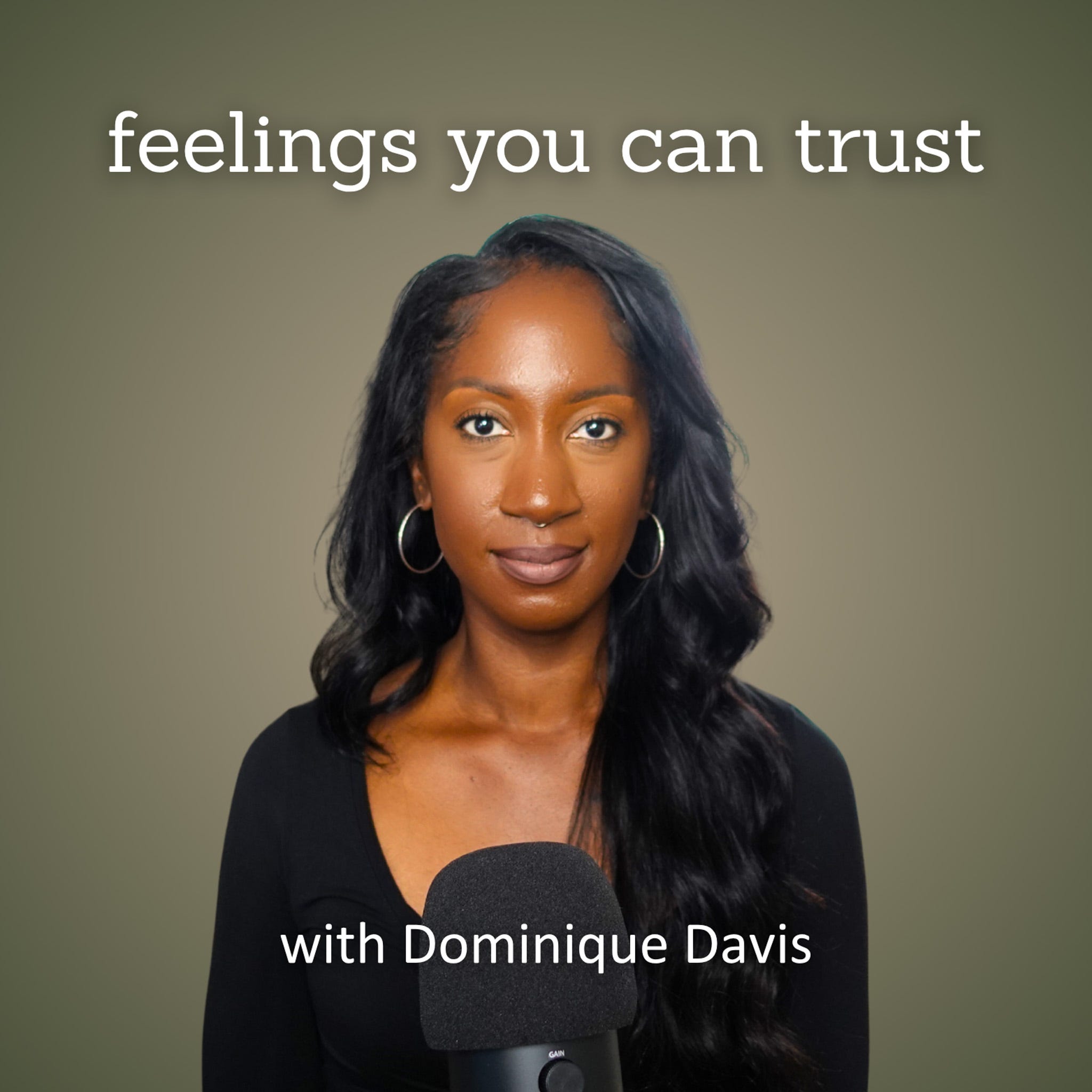
The Cost of Abandoning Yourself - Why You Still Feel Unseen
Feelings You Can Trust - Episode 27
Sometimes the reason you feel unseen…is because you’ve been abandoning yourself to belong.
In this episode of Feelings You Can Trust, we explore identity, safety, and what it really means to feel aligned in your relationships and community.
Through our first listener letter, we talk about what happens when you don’t feel accepted — even in spaces that are supposed to understand you — and why you don’t have to force yourself to “cope” in environments that don’t feel safe.
We also unpack the difference between social identity and your true, spirit-based identity, and how abandoning yourself to meet expectations can keep you stuck in survival mode.
Because real belonging doesn’t require you to shrink.
⏱️ Chapters
00:00 – Life update: grief, growth & showing up anyway03:05 – Mental load, EMDR & processing
06:57 – Proof of Life: good news still exists
08:48 – Listener Letter: feeling unseen in community12:00 – You don’t have to cope in unsafe spaces
14:00 – Inner circle standards & safe relationships16:18 – Social identity vs. true self
20:13 – Building aligned community22:44 – How identity keeps you in survival
31:04 – You are not your career34:58 – Stop abandoning yourself
📚Books Mentioned:
📖 The Princess and the P.I. by Skye Warren — A romance that explores trust, vulnerability, and connection between two very different worlds.
📖 Deep End by Allie Hazelwood — A contemporary romance centered on consent, communication, and emotionally safe intimacy.
📖 Secrets of the Millionaire Mind by T. Harv Eker — A mindset-focused guide on how your beliefs about money shape your financial reality.
📩 Want to submit a listener letter?Email: feelingsyoucantrust@gmail.com
🎧 Available on YouTube, Apple Podcasts, Spotify & Substack
Disclaimer
I am not a licensed therapist. The perspectives shared in this podcast are based on personal experience, education, and reflection. This content is for informational and self-development purposes only and should not replace professional mental health support.