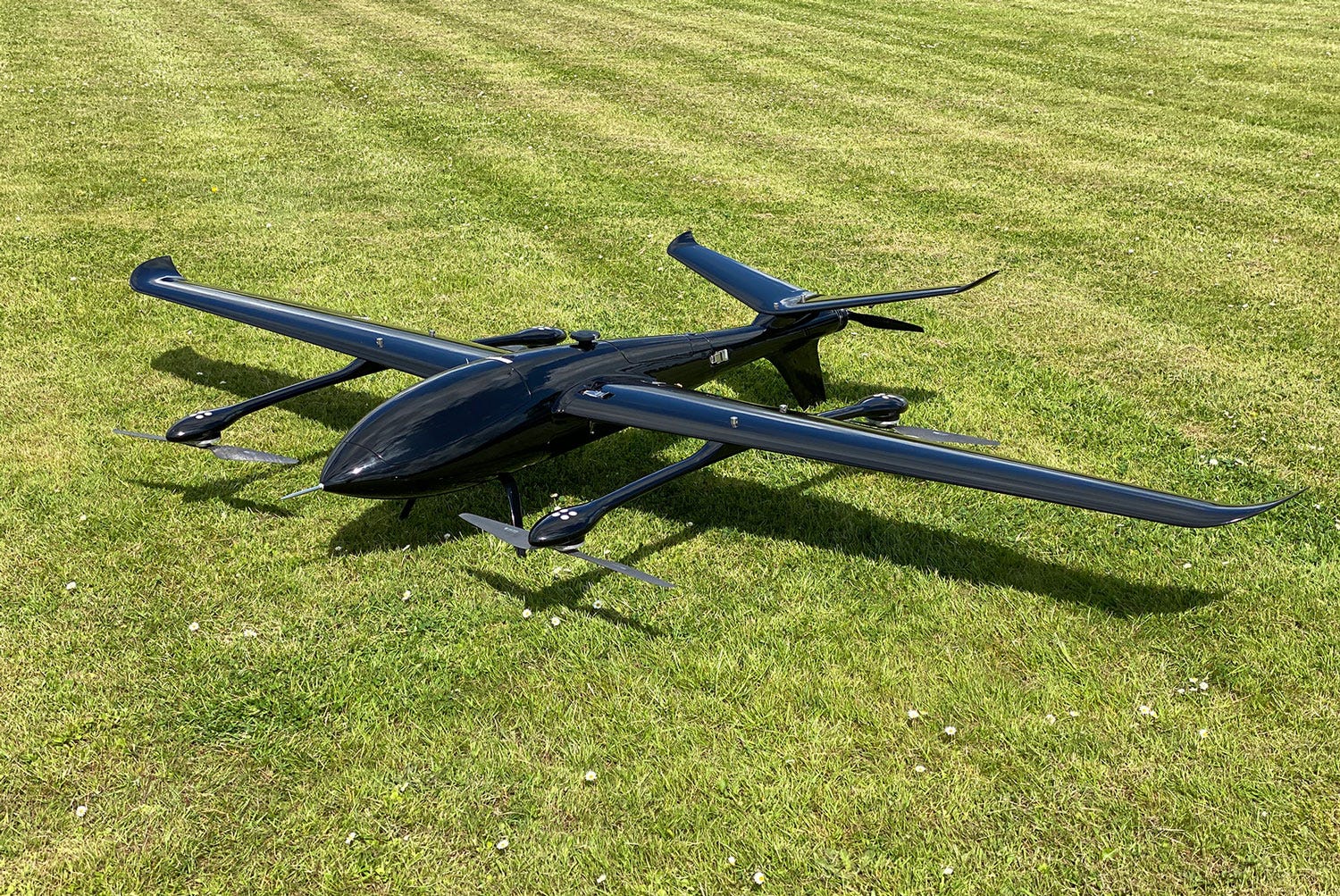
Since November 18, 2024, residents across New Jersey have reported encounters with aerial vehicles that appear to transcend known technological capabilities. These sightings have created a compelling mystery: aircraft demonstrating characteristics that seem to defy our understanding of current engineering limits.
NewsNation investigative journalist Rich McHugh’s observation with the Ocean County Sheriff’s department revealed these craft remain invisible to thermal imaging. New Jersey Assemblyman Paul Kanitra added another layer of mystery, reporting that federal radar and electro-optical infrared cameras, typically capable of detecting drones from miles away, failed to register these craft. This comprehensive sensor invisibility, juxtaposed against visual confirmation by multiple credible witnesses, suggests capabilities beyond known technology.
Reported NJ Drone Characteristics
Witness accounts describe several extraordinary features:
* Size variations from 6 feet to “SUV-sized”
* No detectable heat signature
* Extended flight times (6-7 hours)
* Silent operation
* Coordinated movement of up to 50 units
* Electronic warfare effects on nearby devices
* Ability to “go dark” when pursued
Current Drone Technology Baseline
To understand the apparent technological leap these characteristics represent, consider three of the most advanced VTOL platforms currently available:
Azure Hybrid VTOL
This 6.5-foot-long (2,020 mm) by 12.3-foot-wide (3,755 mm) platform achieves remarkable endurance - 12 hours with a 3-kg payload - through innovative hybrid propulsion. The aircraft employs a 110cc-170cc gasoline engine combined with electric motors, enabling both VTOL and fixed-wing operations. It is designed for large-scale aerial mapping and surveying operations, with a maximum payload capacity of 17 kg and cruising speed of 26 m/s. While its gas-electric hybrid system provides exceptional flight time, it generates significant heat during operation. The platform features advanced flight control systems but lacks swarm capabilities or electronic warfare features. Its carbon-fiber construction and blended wing-body design optimize aerodynamic efficiency and structural integrity.
SkyLane VTOL
This 6.5-foot-long (1,980 mm) by 11.5-foot-wide (3,500 mm) platform delivers 5 hours of endurance with no payload, or 2.5 hours carrying a 7-kg payload. Available in both electric and hybrid configurations, it features state-of-the-art AIRLink flight control systems with AI mission computing capabilities. The platform is designed for BVLOS operations, specializing in inspection, surveillance, mapping, and cargo delivery missions. Its hybrid version utilizes a petrol-powered pusher engine for extended range, while the all-electric variant offers quieter operation. The aircraft incorporates advanced swarm capabilities through 5G and satellite connectivity, enabling coordinated multi-drone operations. Operating at altitudes up to 3,000 meters with a cruising speed of 28 m/s, it demonstrates robust performance in various weather conditions.
Transwing VTOL
This 6.4-foot-long by 13.1-foot-wingspan (4.2 feet folded), up to 34-foot (10.36 m unfolded) platform features an innovative dihedrally-folding wing system that transforms between vertical and horizontal flight configurations. The all-electric aircraft carries a 15-pound payload for up to one hour, achieving cruise speeds of 60-65 knots with burst capabilities to 100 knots. Its unique design achieves superior lift-to-drag ratios above 20 through a sophisticated wing-folding mechanism that doesn’t require tilting propulsion systems. The platform employs four electric motors with folding propellers, allowing two motors to shut down during cruise flight for improved efficiency. The system has proven effective in maritime operations with the U.S. Navy, particularly in mission-critical cargo delivery scenarios. The Transwing has limited swarm capabilities in two-to-three drone formations operated by one pilot during naval exercises.
Theoretical Requirements: Engineering the Impossible
To achieve the reported capabilities, a platform would need unprecedented advances in multiple fields:
Propulsion System
* Silent operation
* No heat signature
* Extended flight time
* Hovering capability
* High thrust-to-weight ratio
Power Source
* 6-7 hour minimum operation
* Zero heat signature
* High energy density
* Rapid power delivery
Stealth Systems
* Radar invisibility
* No infrared signature
* Silent operation
* Visual camouflage capability
Electronic Warfare Suite
* Disable consumer drones
* Affect vehicle electronics
* Avoid detection
* Coordinated multi-unit operation
The simultaneous presence of these capabilities appears to violate multiple laws of physics and engineering limitations.
The Simple Solution Revolution
However, history teaches us to be cautious about assuming technological impossibilities. Time and again, clever engineering and basic physics have achieved what appeared to require revolutionary breakthroughs:
During World War II, British scientists discovered that simple strips of aluminum foil - known as “chaff” or “Window” - could render sophisticated German radar systems useless. This basic countermeasure proved more effective than complex electronic warfare systems.
In 1999, the Serbian military achieved what seemed impossible: they detected and shot down a stealth Lockheed F-117 Nighthawk aircraft. This is an aircraft that had 1300 bombing runs during Desert Storm with zero losses. Their method? Modified microwave ovens repurposed to detect the aircraft’s electronic emissions. A solution so simple it seemed implausible until it worked.
Recent footage from Ukraine demonstrates soldiers defeating modern thermal imaging systems with nothing more sophisticated than an umbrella incorporating thermal-blocking materials. This basic solution achieves what typically requires millions in stealth technology development.
Victorian stage performers created convincing “ghost” apparitions using carefully positioned mirrors and prisms, fooling thousands of observers and even scientists, demonstrating how basic physics can create seemingly impossible effects.
Reexamining the Impossible
These historical precedents suggest we should look for simpler explanations of the NJ drone phenomenon. Consider how basic solutions might explain each “impossible” characteristic:
Thermal Masking
* Reflective materials covering heat-generating components
* Directional heat venting (away from likely observation points)
* Strategic component placement to distribute heat signature
* Operating altitude beyond effective thermal imaging range
Silent Operation
* Electric motors (inherently quiet)
* Strategic altitude selection
* Wind direction exploitation
* Background noise masking
Extended Presence
* Multiple units operating in shifts
* Coordinated handoffs between platforms
* Strategic use of wind patterns
* Multiple launch/recovery sites
Size Variations
* Multiple platforms of different sizes
* Night vision limitations affecting perception
* Lack of reference points in dark skies
* Strategic altitude changes
Electronic Effects
* Basic RF interference from multiple transmitters
* Operation near existing infrastructure
* Simple jamming techniques
* Exploitation of consumer device vulnerabilities
The Integration Hypothesis
Rather than requiring revolutionary technology, the NJ drone phenomenon might represent clever integration of:
* Existing drone platforms
* Basic thermal masking
* Strategic operational patterns
* Simple electronic interference techniques
* Exploitation of human perception limitations
Occam’s Razor
When faced with competing explanations, the simplest solution requiring the fewest assumptions is usually correct. Consider our two scenarios:
Scenario 1: Revolutionary Technology
* Requires multiple technological breakthroughs
* Violates known physics principles
* Demands unprecedented power systems
* Necessitates revolutionary materials science
* Implies classified technology far beyond current capabilities
Scenario 2: Clever Engineering
* Uses existing technology
* Employs known physics principles
* Relies on documented countermeasures
* Follows historical…