June 18, 2025
TL;DR: Why Israel Already Lost to Iran
The Math is Simple:
* Iran: 3,000+ missiles, can produce hundreds weekly, costs $100K-500K each
* Israel: 340 jets, max 200 sorties, interceptors cost $3-4M each and running out in 10-12 days
Netanyahu’s Fatal Pattern:Simultaneously fighting seven fronts (Gaza, Lebanon, Yemen, West Bank, Syria, Iraq, now Iran) while failing to achieve strategic objectives on any of them. Each war depletes the resources needed for the next.
The Technology Gap:Iran’s hypersonic Fattah missiles have 50% intercept rates vs Israel’s 90%+ against normal missiles. No Western system can reliably stop hypersonics.
Geography Wins:
* Iran: 1.6 million sq km (size of Alaska) to hide missiles
* Israel: 20,770 sq km, all targets within 12 minutes of Iranian missiles
The Bunker Problem:Israel’s weapons can’t destroy Iran’s deepest nuclear facilities. Iran designed them to survive nuclear attacks.
Strategic Patience:Iran (85M people, revolutionary ideology) can absorb years of conflict. Israel (9.5M people, democracy) needs quick victories for political survival.
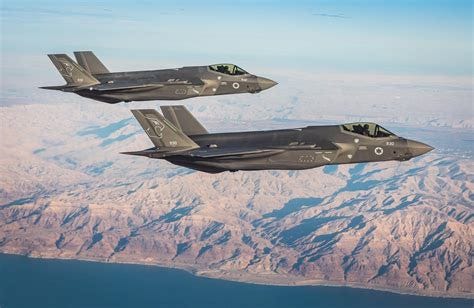
Bottom Line:Israel bet everything on precision tech beating volume warfare. Iran is proving that 1,000 automated missiles > 340 human-piloted jets. The interceptor shortage means Israel literally cannot sustain defense much longer.
Netanyahu turned Israel’s tactical brilliance into strategic suicide.
Caption: Israeli citizens huddle in make-do shelters in subway stations. It is now normal to move back and forth from home to shelter 2-3 times a day/night.
Pattern of Militaristic Overreach: Netanyahu’s Failed Multi-Front Wars
The conventional wisdom is that Israel is a Middle East military superpower and Iran doesn’t have a chance. This could not be further from the truth. When Israeli Prime Minister Benjamin Netanyahu authorized “Operation Rising Lion” on June 13, launching nearly 200 aircraft against Iranian targets, he committed Israel to a war strategy it cannot win. This strategic miscalculation was not unprecedented—it was the inevitable culmination of a systematic pattern of overreach that has defined Netanyahu’s leadership across every front and decades as Prime Minister.
From Gaza to Lebanon, Yemen to the West Bank, Syria to Iraq, Netanyahu has consistently overestimated what military force can achieve while underestimating opponent resilience and the cumulative costs of simultaneous engagement. Iran represents not just another miscalculation, but the final, decisive test of a strategic seven front war that the math proves cannot succeed.
The early morning strikes, while tactically successful, initiated a timeline that favors Iran’s missile-centric approach over Israel’s technology-dependent air power. The fundamental miscalculation was not tactical: Israel bet its survival on the proposition that precision technology could overcome volume-based warfare. Five days of combat have proven this assumption catastrophically wrong.
According to multiple defense sources and real-time reports, Iran has demonstrated the capacity to launch coordinated barrages of hundreds of various types of subsonic and hypersonic ballistic missiles and drones, while Israel’s air force, despite its technological advantages, faces hard physical limits on jetfighter sorties and limited interceptor stockpiles that could prove decisive in sustained conflict.
Gaza: Fifteen Months, Leadership Intact
After over 15 months of intensive operations, Hamas leadership remains largely intact despite significant casualties, and much of Hamas’s tunnel network is still in “good functional state” in many parts of Gaza. On the surface, Gaza is literally just concrete dust but it matters little. Hamas fighters prominently featured in recent hostage handovers while civil administration members have resumed work, demonstrating continued organizational capacity. The stated objective of eliminating Hamas has proven unachievable despite massive resource expenditure.
IDF assessments reveal Hamas tunnel networks remain operational in refugee camps of central Gaza, most of Rafah, and Shejaiya in the north. Despite being “grievously weakened,” Hamas retains 58 hostages and strategic leverage through its underground infrastructure. Israel can damage Hamas facilities but cannot eliminate the organization’s core resilience, making each operation a temporary tactical gain at the cost of finite resources.
Lebanon: Tactical Gains, Strategic Stalemate
While Israel significantly weakened Hezbollah and confiscated over 155,000 weapons, analysts believe the organization retains substantial arms, including ballistic missiles. Hezbollah’s current focus on reconstruction rather than renewed military action reflects strategic patience rather than defeat. Israel has degraded but not eliminated the threat, while expending finite resources and international goodwill.
The 2024 conflict with Hezbollah demonstrated the same constraints that plague all of Netanyahu’s operations: tactical success without medium or long term resolution. Hezbollah’s decentralized structure and Iranian supply lines ensure regeneration capabilities that outlast Israeli surge capacity.
Yemen: Maritime Disruption Continues
Despite extensive strikes, the Houthis continue maritime disruption operations, having conducted over 100 attacks since November 2023, causing a 90% decrease in Red Sea shipping. US-led aerial assaults have yet to achieve their aim of ending Houthi attacks on shipping, demonstrating the limits of air power against dispersed, determined opponents.
The Houthis’ success in maintaining Red Sea operations despite international military pressure provides a preview of Iran’s strategic approach: accepting tactical losses while maintaining operational capacity through geographic dispersion and strategic patience.
During the second or third day of Operation Rising Lion, Israel announced it had targeted and possibly assassinated Mohammed Abdul Karim al-Ghamari, the Chief of Staff of the Houthi forces in Yemen. However, this claim was quickly denied by Houthi officials, and no independent confirmation of the assassination has emerged.
West Bank: Escalating Violence Without Resolution
Israeli operations have killed over 487 Palestinians in 2024 while settler violence averages four incidents daily, yet no planning emerges. Current military operations have forcibly displaced over 40,000 Palestinians, marking the largest displacement since 1967, creating new long-term security challenges rather than resolving existing ones.
The West Bank operations consume security resources while generating new sources of international criticism and internal Palestinian resistance, demonstrating Netanyahu’s consistent pattern of creating additional problems while failing to solve existing ones.
Syria/Iraq: Tactical Strikes, Strategic Incoherence
Israel has conducted over 600 strikes in Syria since December 2024, destroying 70-80% of Syria’s strategic weapons while declaring its invasion will continue for “unlimited time.” Yet analysts question “whether Israel’s military actions are guided by any coherent political endgame—one that is achievable, constructive for Israeli security, and mindful of broader regional stability.”
These operations exemplify the Netanyahu approach: shock and awe bombing displays producing minimal gains while creating new vulnerabilities, international complications, civil unrest inside of Israel and abroad.
The Compound Effect: Resource Depletion and Strategic Vulnerability
This multi-front engagement has systematically depleted Israel’s fighting capabilities while creating the very conditions that make the Iran confrontation unwinnable. Each theater has consumed interceptor stockpiles, strained pilot availability, exhausted international patience, and demonstrated the limits of precision technology against patient, adaptive opponents.
Most critically, Netanyahu’s pattern reveals a fundamental misunderstanding of modern warfare’s operational and logistical constraints. While achieving “immediat…