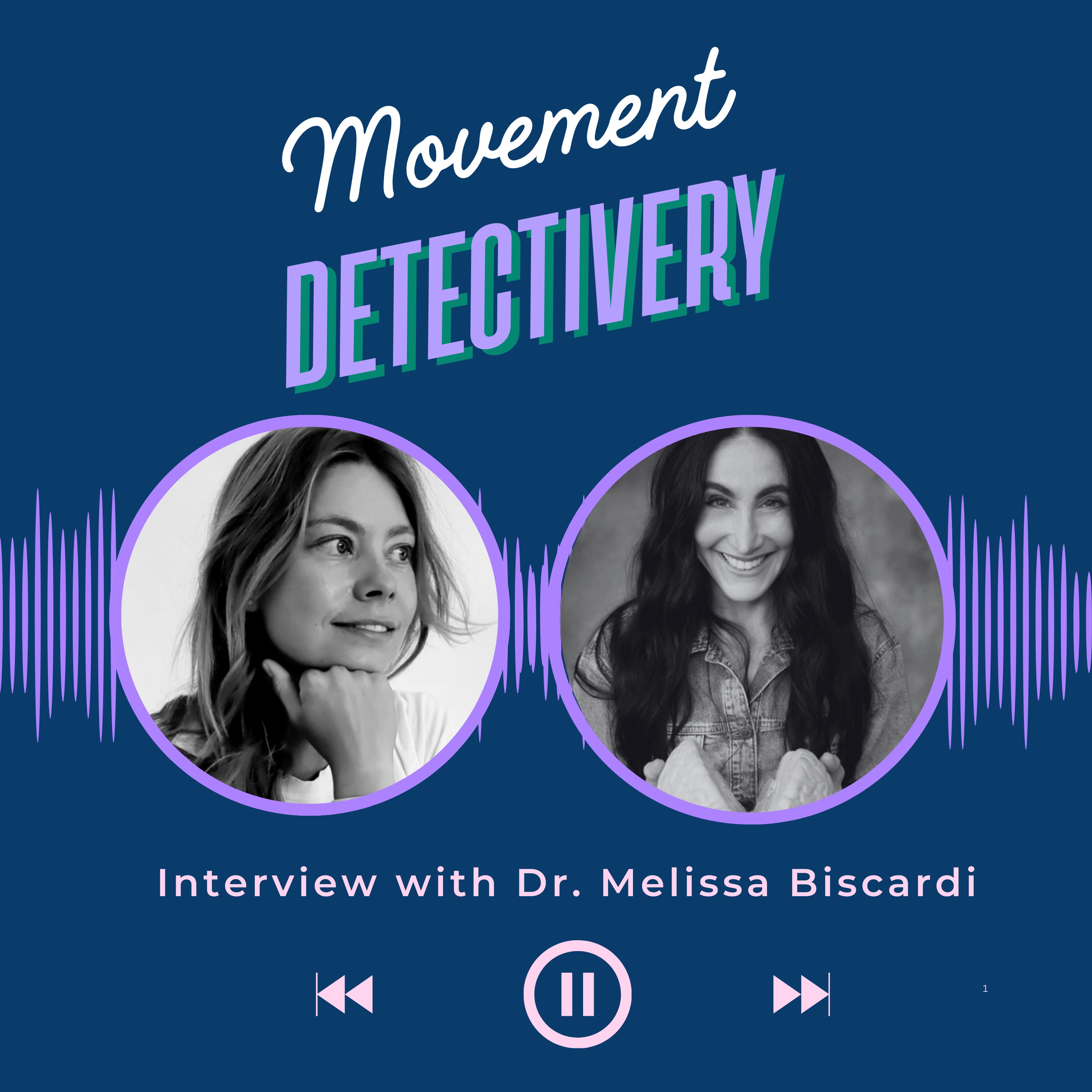
Melissa is a black belt BJJ athlete, registered nurse, osteopath, and now a newly minted PhD holder (we discuss her latest research in this interview).
I wanted to speak with Melissa because of how embarrassingly ignorant I am about concussion rehabilitation. Nearly everyone has bonked their head at some point in their life (I ask everyone who comes in to see me…). While not all bonks lead to concussion, many small-medium bonks over the decades can still create appreciable brain and body symptoms. Ask me how I know…
I met Melissa in Toronto when we both shared clinic space. I’ve seen first hand Melissa’s dedication to studying and treating concussions and seen the positive results she has with her patients.
Whether you’ve had a concussion or not, you probably know someone who’s had one. Maybe you want to understand more about how to make your brain and body more resilient to the inevitability of bonking your head on that cupboard 1000 times a day. Or maybe you work with athletes who are at risk of concussion and you’re curious about the standard of care. Like, is the advice to not go to sleep still what’s recommended? And what are some red flags to watch for?
In our conversation, Melissa and I discuss:
* Melissa’s story about sleep medication leading to dementia-like symptoms and inspiring her to learn about the brain
* What constitutes an “ideal” recovery from concussion
* How many Gs of force it takes to create a concussion
* The challenges of concussion diagnosis due to its subjective nature, and what are the diagnostic criteria for concussion
* How to help your body and brain become resilient to concussions, especially if you are an athlete
* The important role of a movement practice focusing on spine and neck mobility, alignment, and decelerative capacity (strength) for concussion prevention
* How hormonal status in females at time of injury is important
* How sub-concussive symptoms are worth considering, and how craniosacral therapy, neck and spine mobility, and eye movement tracking/exercises can help
* The vestibular-occular motor screen Melissa mentions you can use to check your vestibular system health: Vestibular and Ocular Motor Screening
* What dietary strategies are shown to aid brain health and concussion recovery
* Melissa’s recent PhD research on the use of virtual reality as part of concussion rehab
And much more.
I learned a lot in our conversation and, as a craniosacral therapist who touches skulls for a living, I was validated to hear Melissa mention how helpful CST is in the treatment process.
I hope you enjoy this interview with Dr. Melissa Biscardi.
Where to find Melissa online:
Melissa’s Website: www.concussionrehab.ca
Instagram: @concussionrehab.ca
YouTube: www.youtube.com/@concussionrehabBrain Toolkit App: braintoolkit.ca
Here’s a little more about Dr. Melissa Biscardi
Melissa Biscardi, RN, PhDc is a concussion clinician, educator and tech innovator.
She has been a registered nurse since 2006 and has remained a student of the majestic brain ever since, adding various degrees and letter to her name. Melissa maintains a curiosity for the road less travelled.
In her clinic, appropriately called “Concussion Rehab”, in Toronto Canada, she has maintained a brain-wise practice for over 10 years. Beyond patient care, Melissa is a dedicated mentor, guiding new clinicians to adopt best practices in concussion management (education.concussionrehab.ca).
Melissa has training from the Carrick Institute, completed a Master of Science that focused on women specific outcomes after concussion and recently completed her PhD on eye movement interventions in VR for adults after concussion (fun!)….officially making her Dr. Brainy.
Melissa has published 4 book chapters and numerous research articles which are all linked on her website (www.concussionrehab.ca/)
As an advocate for integrating accessible technology into rehabilitation, Melissa developed the Brain Tool Kit app for Android and iPhone (www.braintoolkit.ca). This accessible app is a one stop shop for eye movements, reaction time, balance and cognitive assessment and training.
When not tied up being as Brainy as she can be, Melissa love hiking and climbing in the mountains and spending time with her family and 3-legged cat.
Awards:
* Toronto Rehabilitation Institute Scholarship (2024 and 2025)
* Brain Injury ISIG Deborah Lee Price Girls & Women with ABI Task Force Poster Award (2024)
* Scholar in Women’s Brain Health Award (3 year award) from Toronto Rehabilitation Institute, University Health Network (2021-2024)
* Mitacs 3 year Fellowship in collaboration with NeuroFlex (2022 to 2025)
* 2nd Degree Black belt in Brazilian Jiu Jitsu and previous world champion (2009, 2010, 2011, 2013)
Thanks for reading Movement Detectivery! Subscribe for free to receive new posts and support my work.