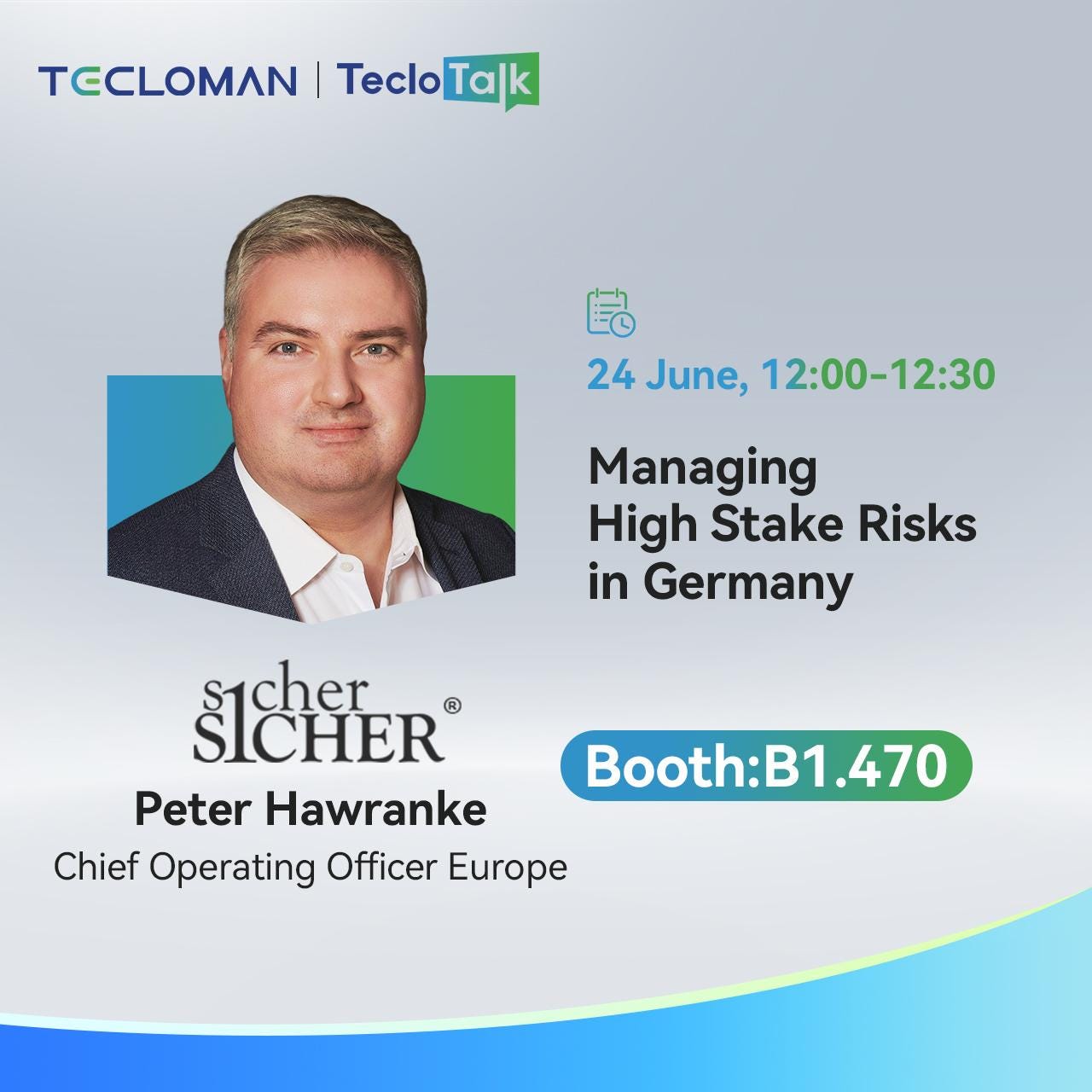
As Europe’s Battery Energy Storage System (BESS) market continues to expand, manufacturers are investing heavily in technology, production capacity, and new market opportunities.
But according to Peter Hawranke of Sicher & Sicher Group, technical innovation is only part of the equation.
At Intersolar Europe, we discussed why companies entering Europe—particularly international manufacturers—need to think beyond products and consider the legal, operational, and cybersecurity risks that come with operating in one of the world’s most highly regulated markets.
Risk management starts long before something goes wrong
For companies expanding into Europe, compliance can often feel like another administrative hurdle.
Peter sees it differently.
Strong compliance, governance, and risk management frameworks aren’t simply about satisfying regulations—they’re about ensuring a company can respond quickly and effectively when unexpected issues arise.
Whether it’s a contractual dispute, an intellectual property claim, or a reputational issue on social media, having the right processes and protections in place can significantly reduce both financial and operational disruption.
European customers expect more than a great product
As battery manufacturers expand internationally, customers are increasingly asking questions that go far beyond product performance.
Do you have the appropriate liability coverage?
Can you demonstrate robust compliance procedures?
How would you respond to a product recall?
These are becoming standard due diligence questions for utilities, developers, and project partners across Europe.
For international companies, particularly those entering the European market for the first time, preparing for these conversations is becoming just as important as demonstrating technical performance.
Cybersecurity is becoming part of energy security
One of the strongest themes from our discussion was cybersecurity.
As battery storage becomes an integral part of critical energy infrastructure, the potential consequences of cyberattacks increase significantly.
Battery systems are no longer standalone assets—they are connected to increasingly digital electricity networks, making cybersecurity an essential component of project development and long-term operations.
Protecting infrastructure now means protecting both physical assets and the digital systems that control them.
Planning for resilience
While it’s impossible to eliminate every risk, organizations can build resilience through preparation.
That includes:
* Establishing clear governance and compliance processes.
* Understanding customer and regulatory expectations.
* Developing response plans for operational and reputational incidents.
* Strengthening cybersecurity alongside physical safety measures.
Companies that invest in these capabilities early are often better positioned to respond when challenges inevitably arise.
Final Thoughts
The battery energy storage industry is evolving rapidly, but success in Europe will depend on more than delivering innovative technology.
As projects become larger, more connected, and more strategically important, manufacturers must also demonstrate that they can manage risk responsibly and operate with confidence in complex regulatory environments.
Innovation may open the door—but trust, resilience, and preparedness are what sustain long-term growth.
🎥 Watch the full interview to hear Peter Hawranke discuss why risk management is becoming a strategic advantage for battery storage companies and how manufacturers can prepare for the legal, operational, and cybersecurity challenges of Europe’s evolving energy market.