There is a rooster weathervane atop the house next door. Its arrow points west, I believe, but I can’t see the letters clearly with my reading glasses on.
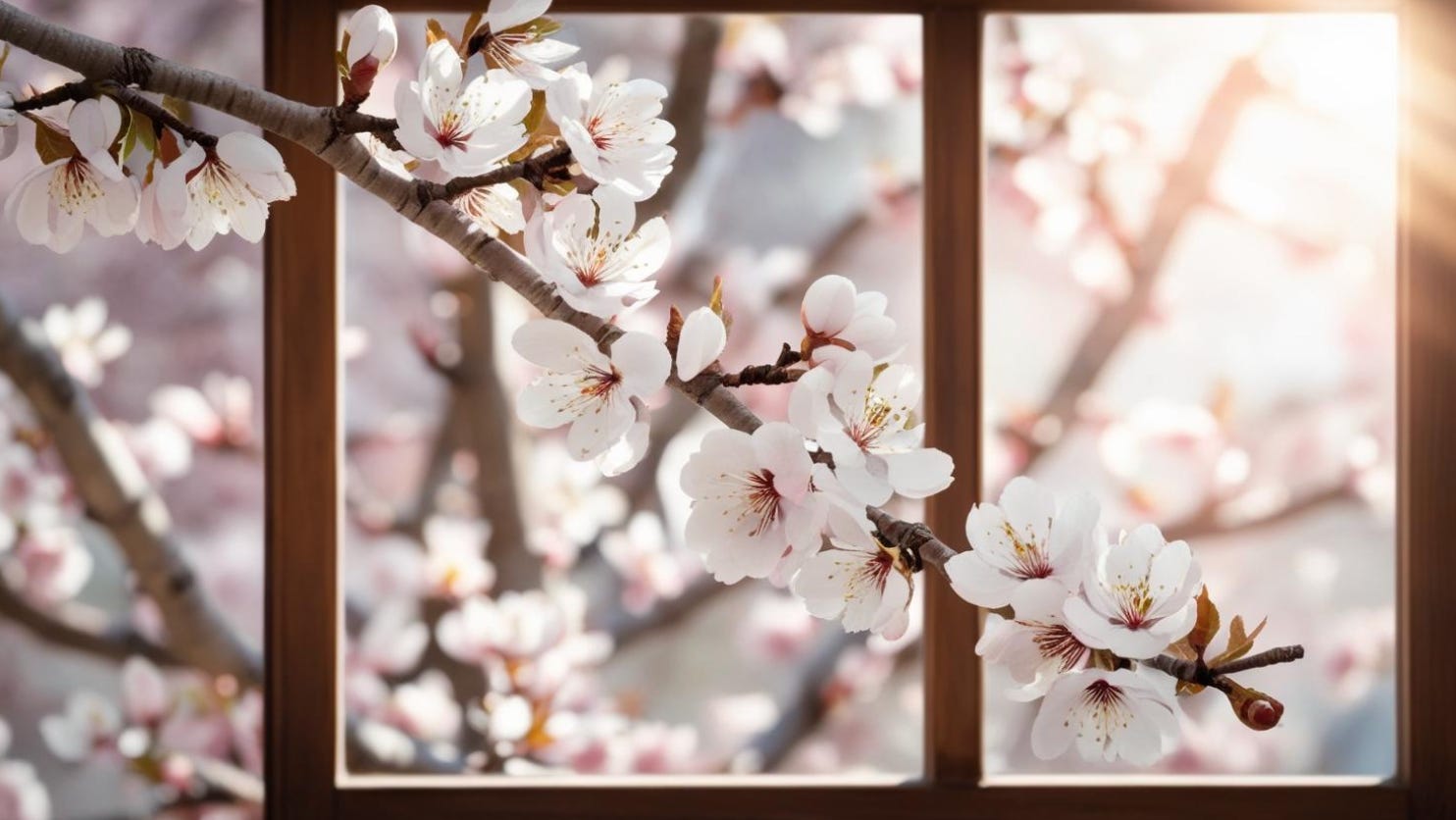
I never noticed the rooster before, such a cliched trinket atop our otherwise carefully cultivated bubble because the main window in my meditation station, where I write most mornings, looked out onto a plum tree which bloomed delicate white flowers in the spring and the tiny juicy plums in the summer. And now it’s gone, revealing in its place a wrought iron rooster that I seem to be allergic to.
The tree was my California life.
We don’t grow fruit in our backyards in Chicago – not unless you count the strawberries my mother would rush out to plant in the backyard of my suburban childhood home when Spring’s thaw miraculously gifted itself to her each Mother’s Day.
I tried to plant strawberries once in quaint Pinterest-board-worthy containers on our rooftop deck in Lincoln Park. But our million-dollar city townhome with its ridiculous 10 ft movie screen – which seemed appropriate only in a city where one refers to “The Lake Effect” both as the reason you can’t go outside five months out of the year and the reason my house was so expensive – backed up to an alley with rats so big they could scale the brick walls to take a chomp out of the strawberries at the very moment they had finally ripened enough to pick.
I would water those f*****s every single day. I think the water to strawberry ratio was 10 gallons of water for one miniature strawberry with a rodent bite. In a world with water shortages, amateur strawberry planting in rat-infested alleys should be illegal.
My Berkeley plum tree, though, was the kind of miracle California dreams are made of. In July 2018, 11 months after moving into this home, and seven months after my husband moved out, I looked out the window one day and realized the tree was filled with fruit.
I hadn’t watered it once. In 11 months. Most of our garden had died because I couldn’t afford to use the sprinkler system.
On that July day when the plums commanded my attention, I hauled a ladder up the 20+ uneven cobblestone death-trap stairs from the garage to the backyard. A big plastic Target bag in hand, I climbed to the top of the A-frame, perched on my toes, hand outstretched to the branch, and selected my very first fruit from this glorious tree. Me. This Chicago girl!
I shed my parka and my stilettos and my weekly gel manicure and my made up face and my five-months-a-year trapped indoors and my traditional family life in exchange for day after day without a cloud in the sky, for athleisure worn to work, for glowing sun-kissed skin that stands in for base, for hikes every day and paddling on the Bay in January, for freedom to fill my life with freshness at the purest level: the fruit that grows from the tree outside my meditation station that I pick with my own hands and eat right there on the ladder.
The harvesting of the tree soon became an annual event. During Covid’s lockdown months, when the kids had no choice but to hang out with us, they even helped gather the bounty. I invested $11 in an “Amazon’s Choice” fruit picker – basically a broom stick with rake/bucket on top, a spork for farmers like me. We tarped the ground to catch whatever fruit fell off and try to spare ourselves the agony of scraping exploded plums off the pavers. We baked a plum clafoutis. I didn’t know what a clafoutis was before that day – let alone that someone could bake one themselves from fruit in their yard. We attempted jam – a bit tart, and not our best work.
For the plums at the tippy top, I removed the screens from my bedroom window and leaned outside, pulling the branches to me, picking the bright purple fruit and taking a bite right there in my meditation station.
Seven years later, the tree had rotted, beginning to lean dangerously into the house for support. One gust and it might crash through the window that had served as the frame for my adoration of her. One spark and she could light our home on fire. Her branches were decidedly not “defensible space” in a community that is girding itself for a potential fight against nature, because nature has now decided it's time to fight back against all of us for centuries of abusing her.
In the past few weeks, I’ve sat in this space knowing my time with the white blossoms was finite, understanding intellectually that this year and forever more I would not watch those blossoms turn to fruit, ripening a bit more each day with the glorious sun that passes through her branches and through my window, en route to warm my face, before shining onto the dreamcatcher draped on the wall behind me.
Nonetheless, as I took my first seat on my meditation cushion after the arborist hauled her away, I gasped in shock when I lifted my gaze to the empty blue sky where once she stood. She had been the breath I always took in before settling into my soul.
Instead, there is this rooster. At least today he gazes away. I’m not ready to look him in the eye. Perhaps when he looks to the north one day, we will get to know each other.
Thanks for reading Anatomy of a Helicopter! Subscribe for free to receive new posts and support my work.