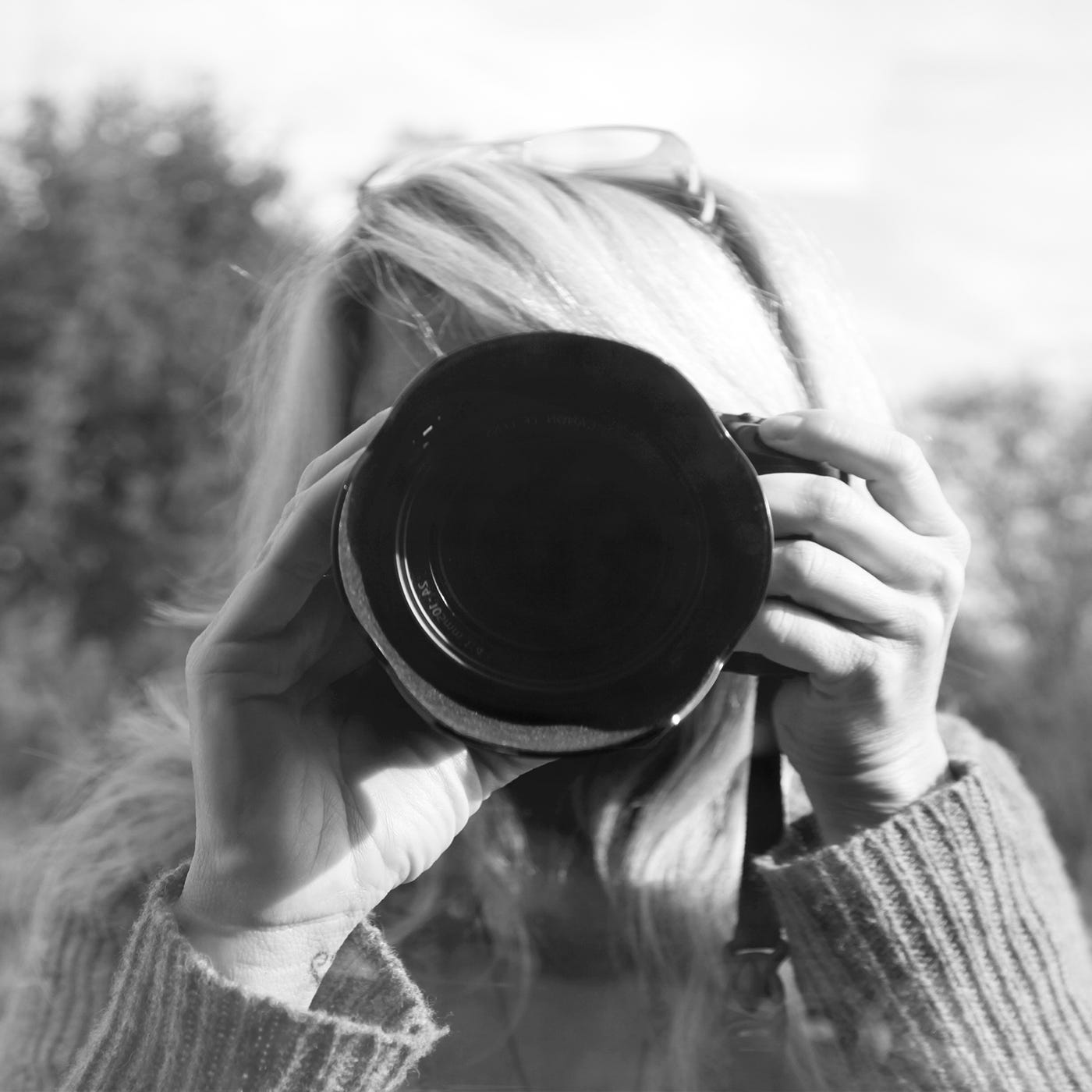
When I look back now, I believe I became a photographer long before I ever held a camera. As a little girl, I spent countless hours beneath the bushes in our backyard. Tucked inside a carefully swept clearing, I built entire worlds with my miniature Schleich figures, animals, and Tonka safari and farm vehicles. Just across a small patch of grass was the large side porch where my parents entertained friends at dinner parties on warm summer evenings. A cacophony of voices drifted through the air as conversations rose and fell while I remained out of sight, content in my own little world.
Every so often I would look up from my imaginary adventures and simply watch. I noticed the woman who kept touching her necklace while her husband did all the talking. I noticed the loud man who kept putting his hands on the women he talked to, his laughter increasing as the evening went on. Then I returned to my play, those observations settling within me in ways I could scarcely have understood at the time.
By the time I entered grade school, I had learned that I experienced sound differently. Repeated hearing tests became part of my academics, although no one ever explained why they continued or why I always felt as though everyone else knew all the right answers that I had somehow missed. I eventually taught myself how to pass the hearing tests so I could return to class and feel as though I was no different than everyone else. Along with undiagnosed ADHD, the world seemed intimidating and foreign, leaving me convinced that everyone around me was probably smarter than I was. I wonder how deeply those experiences shaped the way I came to know the world. While everyone else listened, I watched. Faces became language, and body language became conversation. Expressions, pauses, and glances helped me understand the exchanges occurring around me. Long before I ever picked up a camera, I was already an observer.
Loneliness shaped me as well, stemming from family trauma, neglect, and the feeling of being unseen. Children rarely possess the language to describe that particular feeling; they simply live it. When little attention is being paid to you, you begin to notice everything. You recognize the expression that lasts only a second, the gesture that cues what usually happens next, and the behaviors that put you on alert. You take note of other people’s feelings to monitor your own behavior. You notice who is left sitting alone and who the teacher always picks on. Perhaps my compassion began then, in knowing how it felt to be overlooked or unincluded. The same attention that helped me navigate the world made me highly attuned to the people and moments around me.
When photography entered my life as a teenager, I recognized something that had been there all along—sensitivity. The camera gave form to the way I was already seeing the world and a voice through which I could express my compassion, my awareness, and my fascination with what other people often walked past. Perhaps every time I lifted a camera, I was learning to pay the kind of attention I had longed to receive myself. I searched for moments that deserved to be seen: the impression made by a human being, a gesture, a relationship, an expression, or the fleeting alignment of elements that made a moment worthy of my attention. At the time, I believed I had found photography. Eventually, I understood that photography had found me.
Consider Childhood, my series of black-and-white portraits of children. Each session began as a commission, while the moment I chose to preserve arose from my own response to the child. Something in the child’s expression moved me enough to press the shutter. In raising the camera, I was saying, “I see this. I see you. This moves me.” Each image reveals the moment I witnessed, and it also reveals why tenderness, relationship, and human connection have continually drawn my eye. What appears inside the frame was the child’s story; what compelled me to create the image was part of mine.
I have come to understand that this is how and why I became a photographer. Photography gave expression to someone I had already become, and every choice I made—the people who drew my attention, the moments I was compelled to preserve, the things I could never simply let pass—left traces of me within the photographs. Each image answered questions I did not even realize I was asking. Who am I? What do I value? What moves me enough to stop the world, if only for a fraction of a second? The answers accumulated over four decades, one photograph at a time.
Seen as a whole, my portfolio is, in many ways, autobiographical. I see my compassion, my awareness, and my fascination with tenderness, relationships, vulnerability, resilience, beauty, and grace. The people and scenes are the subjects, while the images also express my response to them. Two presences occupy every frame: the subject before the lens and the heart and mind of the being behind it.
My entire body of work has revealed that the child who longed to be seen found a means of self-expression. She grew into a woman and an artist who, through her work, has formed invisible bonds with people who understand what she has seen. The truth is simple, personal, and inseparable from my story:
The lens reveals the photographer.
— Vienne Rea