A version of this essay was published by firstpost.com at https://www.firstpost.com/opinion/shadow-warrior-the-epstein-files-expose-elite-depravity-13975791.html
Here is the AI-generated video version of this podcast.
I am not going to get into the political aspects of the infamous Epstein Files, nor so much into the morality thereof, but what amazes me is the fact that everyone seems shocked at the kinds of things that apparently went on in Epstein Island and elsewhere in his empire.
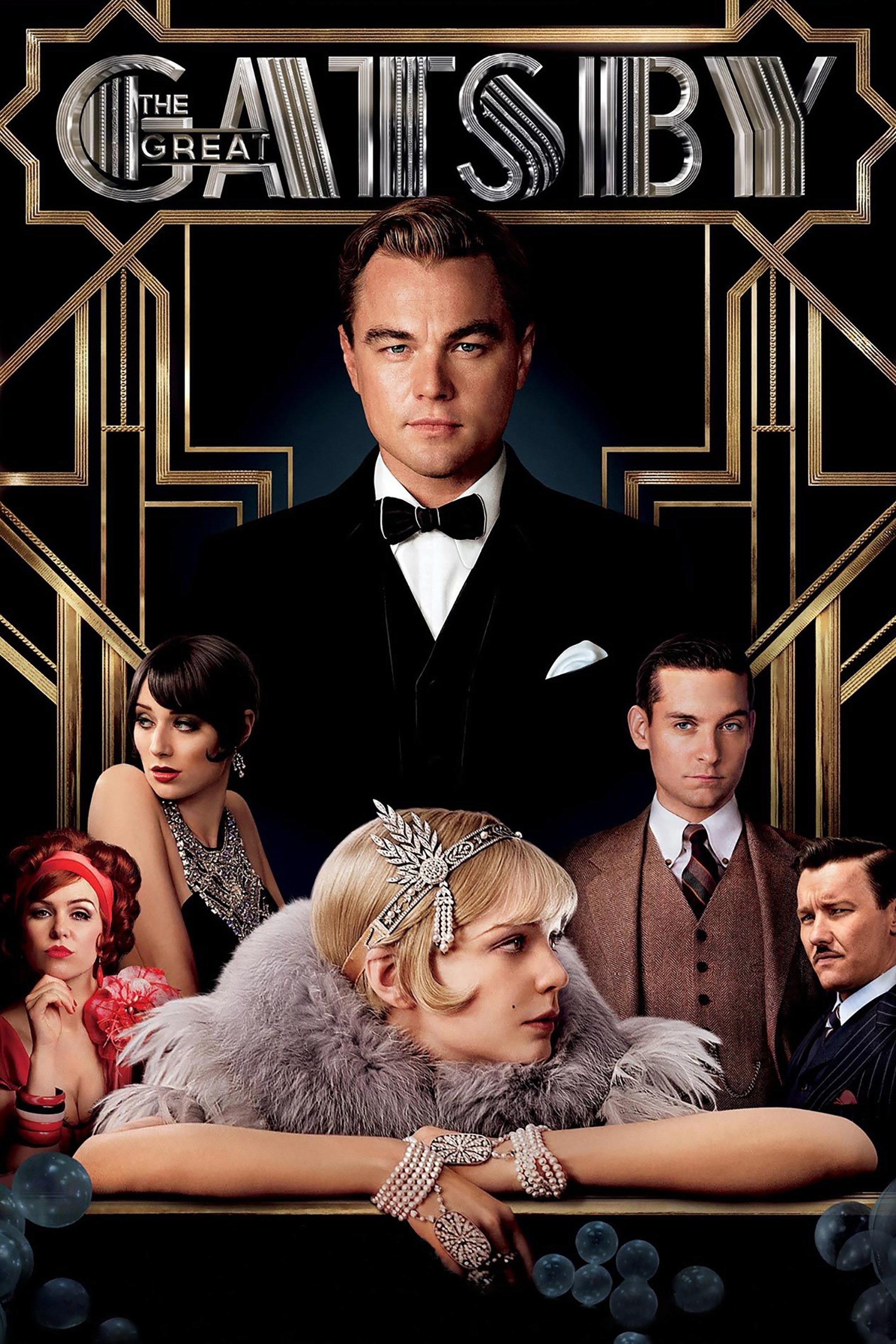
I have long thought of the Epstein Files (and earlier Watergate, Wikileaks, Cablegate, even the silly Steele Dossier) as a mere sideshow, entertaining but hardly earth-shattering. To be candid, what they reveal is what we already knew: politicians and the rich are different from you and me, as Jay Gatsby might say. Yes, they can be vile monsters and get away with it.
F. Scott Fitzgerald describes how extreme wealth fosters a sense of superiority, cynicism, carelessness with consequences, and emotional insulation: all qualities that make the rich operate by different rules, often viewing themselves as exempt from ordinary accountability. Extreme wealth provides insurance, or insulation, against consequences.
We were warned with graphic images in cinema: “Eyes Wide Shut” by Stanley Kubrick was a revelation. It fits strikingly into the context of Fitzgerald’s “the rich are different” and the Epstein files, a cinematic bridge between literary critique and real-world revelations of predatory privilege.
In Kubrick’s world of orgies where masked super-elites play, the victims are from lower strata (they are treated as disposable), while the elite retreat into impunity. The film was prescient about how money, secrecy, and impunity create inevitable nexuses of abuse. There was a dramatic and possibly relevant video of a young Mexican model, distraught, screaming, “They are eating babies!”, after attending one of the Epstein parties. She was, it is said, arrested, and ‘disappeared’, and was never seen again.
Yet, it is “Salo: The 120 Days of Sodom” that I am most reminded of. This is quite possibly the most disturbing film ever made, at least among those that I have seen. Only “In the Realm of the Senses”, by Nagisa Oshima, a staggering tale of sexual obsession, comes close in shock value. A couple are caught up in a vortex or vicious cycle of increasingly dangerous sexual behavior. The unsimulated, explicit sex scenes in fact produce not prurience, but horror in the viewer.
The film’s intensity peaks with its violent conclusion, where the female protagonist strangles her lover to death during erotic asphyxiation and then castrates his corpse, carrying the severed penis with her, blending extreme eroticism with graphic mutilation and murder in a way that challenged societal taboos on sex, obsession, and violence. Tellingly, it is based on a real-life story, but then it is a private tale, not one that involved powerful, public, men.
“Salo”, by Pier Paolo Pasolini, is a loose adaptation of the Marquis de Sade’s 1785 novel “The 120 Days of Sodom”, relocated to the final days of Mussolini’s fascist Republic of Salo (1943–1945) in northern Italy. Four powerful libertines: a Duke (nobility), Bishop (church), Magistrate (law/state), and President (finance/capital) are the protagonists.
They kidnap 18 young victims (mostly teenagers) and subject them to escalating cycles of sexual torture, degradation, humiliation, and murder in a remote villa. I remember the horrifying close-up of a young man’s eye being plucked out.
This isn’t mere shock exploitation; Pasolini uses de Sade’s framework as a scorching allegory for:
* Absolute power corrupting absolutely, where the elite treat bodies (especially vulnerable young ones) as disposable objects for consumption and control.
* Fascism as the ultimate expression of capitalist/consumerist nihilism. The libertines embody the “anarchy of power” in a permissive, totalitarian system where rules exist only to protect the perpetrators.
* Moral detachment and cynicism: the rich aren’t just wealthier; they’re philosophically and emotionally severed from humanity, viewing others as means to gratification without consequence.
Is this how powerful men are? Is this how those with absolute power, especially men, have always acted? Or is it culture-specific? That’s a good question. But are elites generally debauched, depraved, and dissolute?
There are several unconfirmed rumors that many of the rich and famous were associated with Epstein. But a certain royal was drummed out of the family and lost all his privileges for his (confirmed) participation in Epstein orgies. Others include captains of industry and political bigwigs, including US Presidents, a major leftist ideologue, and a film director.
So it was apparently the in-thing in the US, sort of like the most sought-after restaurant in New York City, where the hoi-polloi were strictly excluded. This, in a country that allegedly finds its moral compass in the Puritans, people who were so religious that even Britain couldn’t stand them. And has been accused of being into moralization, not into morals.
As of now, if you ignore the extreme claims (cannibalism) it is clear that the following happened:
* Recruitment and grooming of underage girls
* Sexual assault on minors
* Distribution of Child Sexual Abuse Material
* Trafficking across State and International Borders
Frankly, this is probably just business as usual in many elite circles. If you have immunity, you tend to be very naughty. I expect this, too, will blow over, and public attention will move on. The apparent fact that many in political power in the US are part of the Epstein network is neither here nor there. This may be the way all powerful men work. Sad, but true.
895 words, Feb 2, 2026