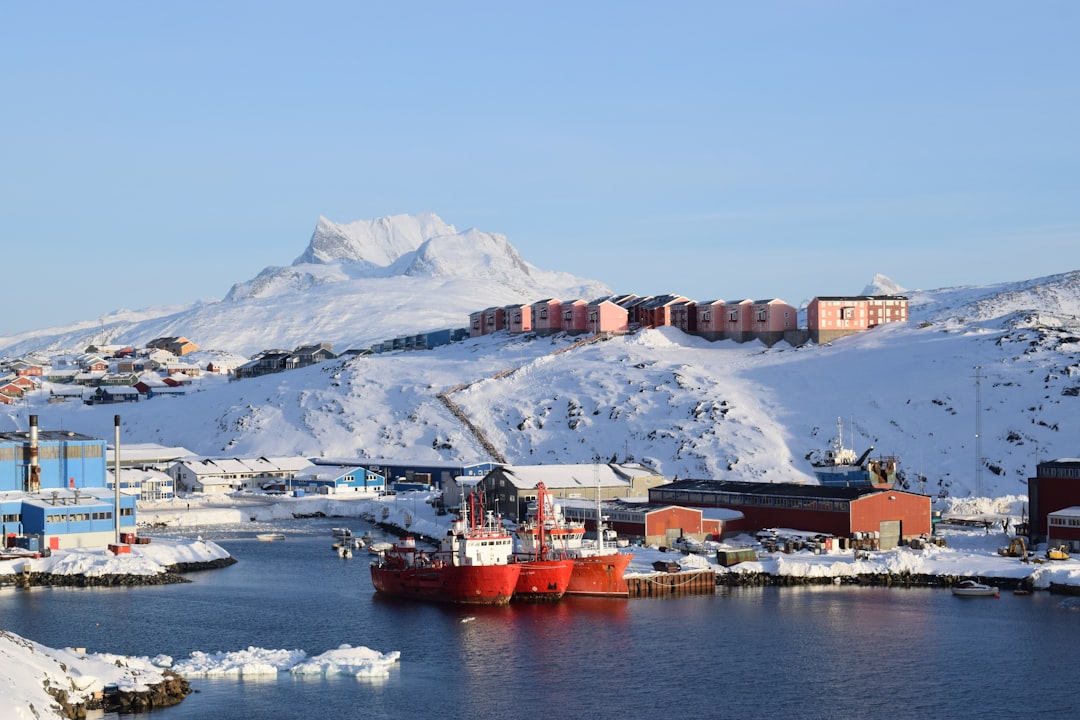
In this episode of Atlantic Lens, we unpack why Greenland has suddenly re-entered U.S. political discourse, and why the security case behind it doesn’t stand up to scrutiny.
Donald Trump framed Greenland as a critical national security asset, pointing to Russia, China, and a rapidly changing Arctic. But according to leading Arctic experts, the obsession with Greenland has far less to do with defense than with power, symbolism, and political disruption.
Featuring insights from former U.S. Arctic policymaker David Balton and Arctic security analyst Andreas Østhagen, this episode breaks down what Washington actually signals through its Arctic policy, why Greenland isn’t the strategic prize it’s often portrayed to be, and how exaggerated threat narratives are reshaping transatlantic relations.
In this episode:
* Why Greenland became a political fixation in Washington
* The weak security case behind Trump’s Greenland rhetoric
* What the U.S. National Security Strategy doesn’t say about the Arctic
* Russia, China, and the reality of Arctic military threats
* Why minerals and melting ice don’t equal strategic dominance
* How Greenland’s status inside Denmark and NATO complicates the narrative
* What this debate reveals about U.S. power, legacy, and disruption politics
Featured voices:
* David Balton, is a Senior Fellow with the Belfer Center's Arctic Initiative/Harvard Kennedy School and former senior U.S. official (Biden, G.W.Bush) and Arctic policy expert
* Andreas Østhagen, senior research fellow, Fridtjof Nansen Institute
Why it matters:
Greenland isn’t a strategic prize because of what lies beneath the ice, but because of the political disruption its pursuit creates above it. Understanding that distinction is essential to decoding today’s Arctic geopolitics and the future of the transatlantic alliance.