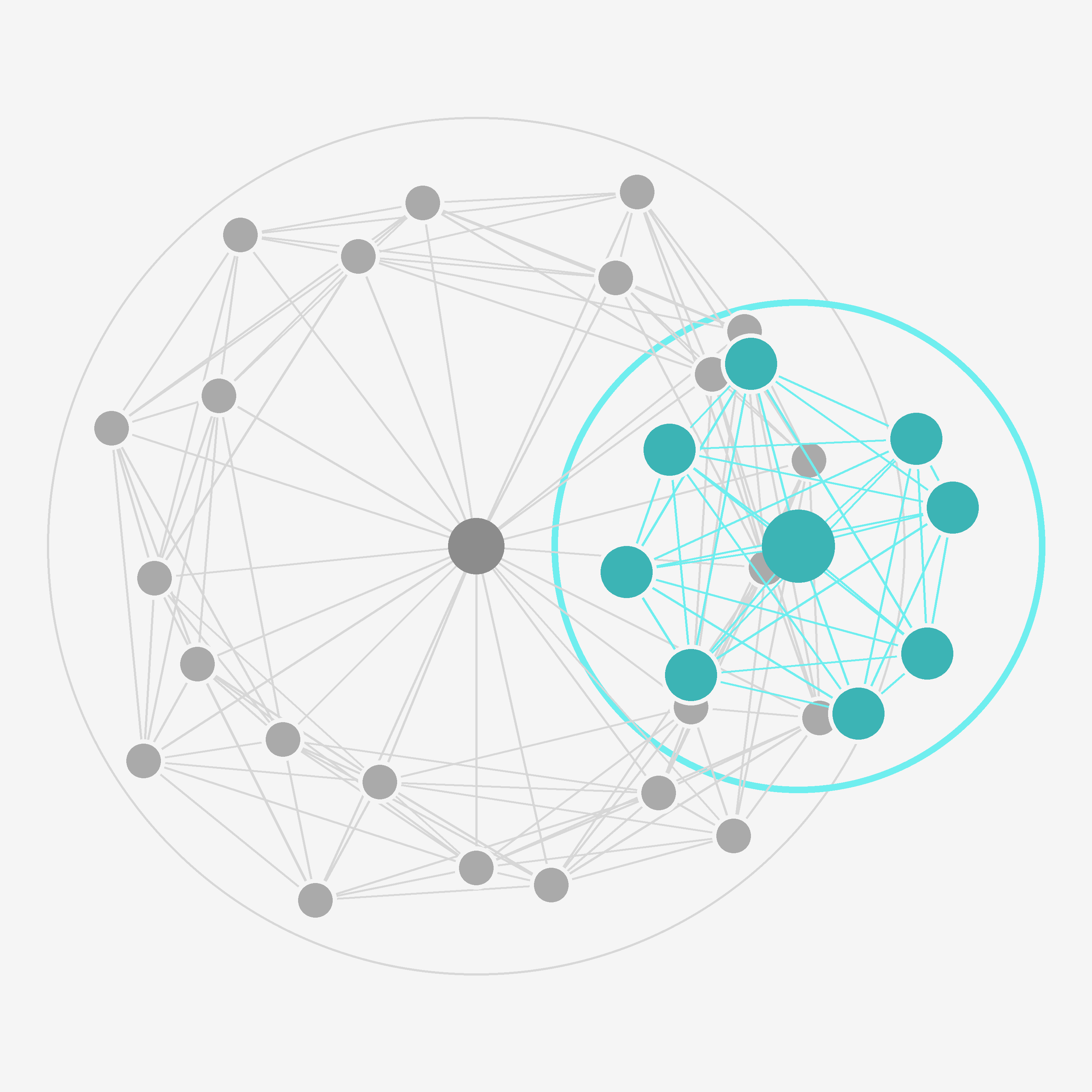
You’ve probably noticed it — the friend group gets smaller as you get older. Turns out, there’s a reason for that, and it’s actually good news. Dr. Laura Carstensen, psychologist and founder of the Stanford Center on Longevity, breaks it down, a process she calls “friendship pruning.”
Most people assume a shrinking social circle is a sign of decline. Dr. Carstensen’s research says the opposite. As we age, we don’t lose friends — we edit them. What remains is what she calls an “emotionally dense” network: fewer people, known longer, cared about more deeply. That’s not loneliness. That’s wisdom operating at a biological level.
The science behind this is striking. Carstensen’s socioemotional selectivity theory shows that as our time horizon shortens, we become more selective about how we spend it — and with whom. The result is that older adults report higher emotional satisfaction from their relationships than younger people, despite having fewer of them. Quality, it turns out, is not just preferable to quantity. It’s measurably better for your health.
We pulled this clip from our full Q&A with Dr. Carstensen — one of the most viewed conversations we’ve had on this Substack. If this resonates, the full interview goes much deeper: her research on the happiness U-curve, intergenerational friendship, and what she calls the three things society must fix before longer lives become the norm.
Become a paid subscriber to watch the full interview →