I woke up to yoga quite late in life. Living in NYC I could never take the mat-bearing yogis spinning through the lunchtime rotating door at the local yoga studio seriously. How could the 20-minute session they had, be meaningful?
Until I met ZanZan in Bali. Our sunrise sessions at his temple introduced a depth and meaning to yoga that was not apparent through the lycra and latex symbols flashed at me in the city.
The importance of breath and “in-tension” becomes clear when you are looking up at the jungle and feeling the first rays of sunshine.
Working with different styles and approaches, in different settings over the last years I have always been fascinated by how adaptable and profound the yoga practice can be.
Circumscribing success
You can have a room with a mix of complete novices and newbies together with yogis who have practiced for 20 or more years and each one will have an experience at the limit of their capacity.
The same postures and moves can unfold with infinite complexity to provide ever deeper and more intense challenges. And that is the key, surfing at the edge of your capacity.
For the novice, just looking like you are standing more or less in the right shape is a supreme challenge. For the advanced yogi the exact alignment of hips, feet, back with the inner muscular “bandas” can keep them at their edge. Going further even the fine-tuning of breathwork over movement may be the biggest challenge you face that day.
Everybody leaves the room equally sweaty and feeling like they advanced.
Compare this to almost any other activity. As a workshop facilitator, I was often confronted with the challenges of keeping the entire room engaged. How do we get a group of 40-50 people to surf that edge of challenge and joy? How do we maintain their flow? How do we elicit courage?
The exertion of yoga brings you to a point of discomfort. The heat and energy you generate from moving about, stretching, and doing push-ups have to go somewhere.
Growth happens at the boundary, fuelled by the heat of your core.
It has always been the most fascinating experience for me to see how people respond when their discomfort and energy meet this boundary.
3 Strategies
One response is to channel the energy into “drama.” A “look at me” signal where the person loudly moans or groans. Perhaps they overtly make a gesture to indicate their hands hurt or they are feeling discomfort. The effect is to draw others’ attention to them almost like an energy vampire.
In others there is avoidance. Staying just inside the comfort level so that they will not be challenged or stretched into the unknown. Their stance is just a little bit higher. The posture is held just a little bit shorter and, in the end, there was no risk, but also no reward.
And then there is acceptance. When you “breathe” through the boundary, you enter a space outside your comfort zone. You feel the pain, but you do not treat it like a stop sign or a badge of honour. You find out what happens when you let go of your preconceived notions of limits.
Breaking the thres-hold
This is in line with recent (2020) findings regarding elite athletes and their ability to process pain thresholds, compared to non-athletes. Working for two global sports brands I was often in conversation with elite athletes like Michael Phelps.
You could often see a playful urge in their nature to find that edge with precision, and play with it.
Muhammad Ali famously said he didn’t know how many sit-ups he does because: “I only start counting when it hurts.”
These elite athletes certainly are not scared of what lays beyond their comfort. Through years of practice and with great respect they have become the master navigators of what lies just slightly outside the space most of us recoil from.
And therein lies the root of excellence.
We look at these amazing accomplishments and are astounded by the precision and perfection with which they guide their bodies to a level of performance we couldn’t imagine. It is their zone.
And this for me a great analogy for courage. The root meaning of courage comes from the word for “heart;” the seat of our emotions. So “courageous action,” is an action that has been led by the heart and authentically expresses our true emotions.
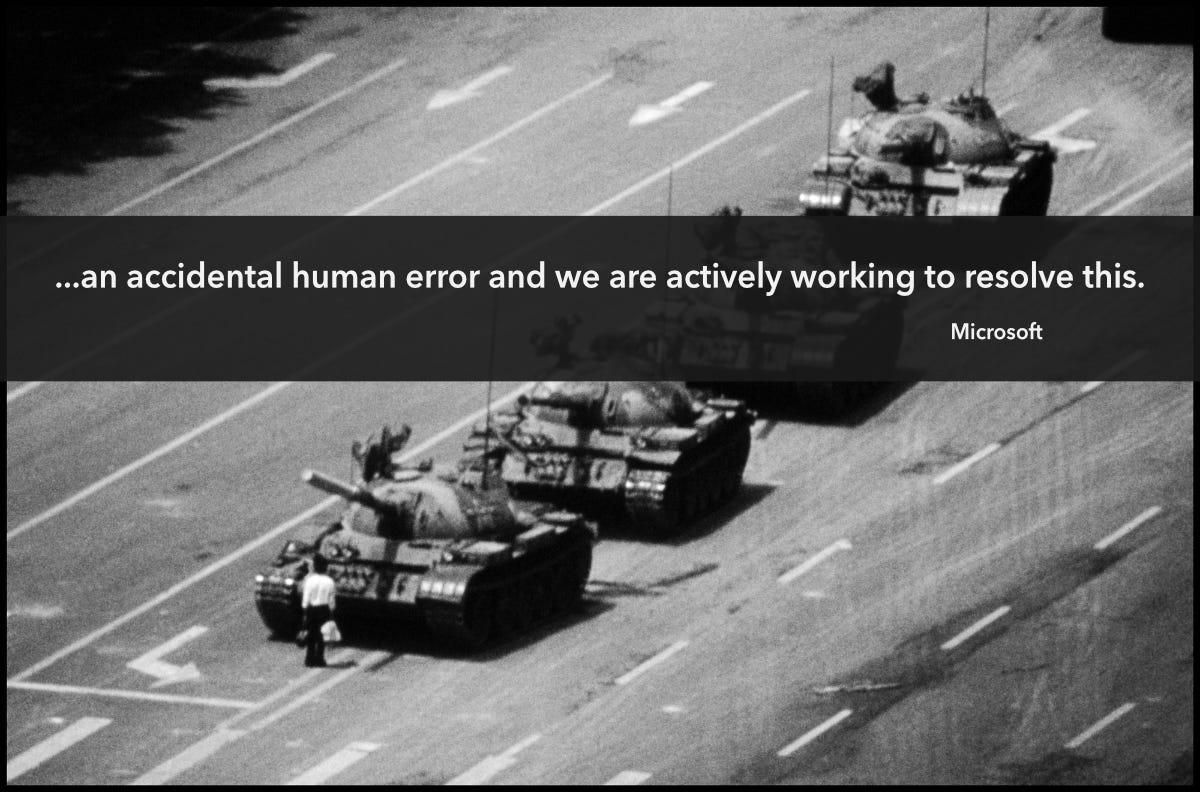
We look at the image of “tank man” and see someone whose heart has compelled them to take a stand. Certainly, outside their comfort zone. This courage is contrasted even more strongly when he climbs on top of the tank and hails the people inside to be people and not just anonymous soldiers shielded inside the safe zone of tonnes of steel.
Yet, for others, the same leap of courage may take on a very different form. To an outside person contradicting a boss or simply saying no to a romantic partner may not seem like a big deal. Yet, this might be way outside their comfort zone. The pattern of abuse or neglect in these relationships may be just as hard to break through as the shell of a tank.
The heart’s architecture
As in the yoga class, we are all navigating our boundaries. And just like the yoga class, we are all finding the resolution and definition of our courage.
For this reason, I think it is important to reflect on what we view as courage, and what the lived experience of courage is for the person involved.
This places a different requirement on us when we provide “en-courage-ment.” In essence, it is not about the external act or behaviour, we have to focus on the internal posture and attitude. Where does their heart lie in the action?
Encouragement simply means, helping the person find and believe their heart. How can we help others break out of the cocoon of comfort with courage? Let’s swim in the unknown by knowing our heart.
Let’s take that leap!
Three key take-outs:
* IDo you know and consciously expand your boundaries of comfort, growth and knowledge? Can you tolerate the ambivalence of difference and discomfort long enough to learn from it?
* HeartWhat feels natural in purpose and direction? Can you navigate the quality of heart and mind that helps you face challenges without fear?
* YouHow do you engage in the encouragement of others? Do you recognise and reward their actions based on what you fear, or see as a challenge? Or are you able to understand their level of discomfort and ambition?
This week’s inspiration: Pink Bowie: