Summary
In this episode, Laura Segafredo and Tony Annett explore the inter-war period in the United States, focusing on the Great Depression and the New Deal. They discuss the historical context leading to the economic crisis, the impact of the gold standard, and the responses from various governments. The conversation highlights FDR's pivotal role in saving American democracy through the New Deal, which included significant reforms aimed at supporting workers and stabilizing the economy. The episode draws parallels between the past and present, emphasizing the importance of economic policies in maintaining democratic stability.
Sound Bites
"FDR saved American democracy in the 1930s."
"Good economic policies can save democracy."
Chapters
00:00Introduction to the Great Depression and New Deal
01:34Historical Context: The Rise of Extremism
03:01The Economic Roots of the Great Depression
10:35The Impact of the Gold Standard
15:17Responses to the Banking Crisis
17:01The Severity of the Great Depression
19:05Political Fallout and the Rise of the Far Right
24:20FDR and the New Deal: A Response to Crisis
28:21The Emotional Economy: Confidence and Markets
30:33FDR's Economic Policies and the Gold Standard
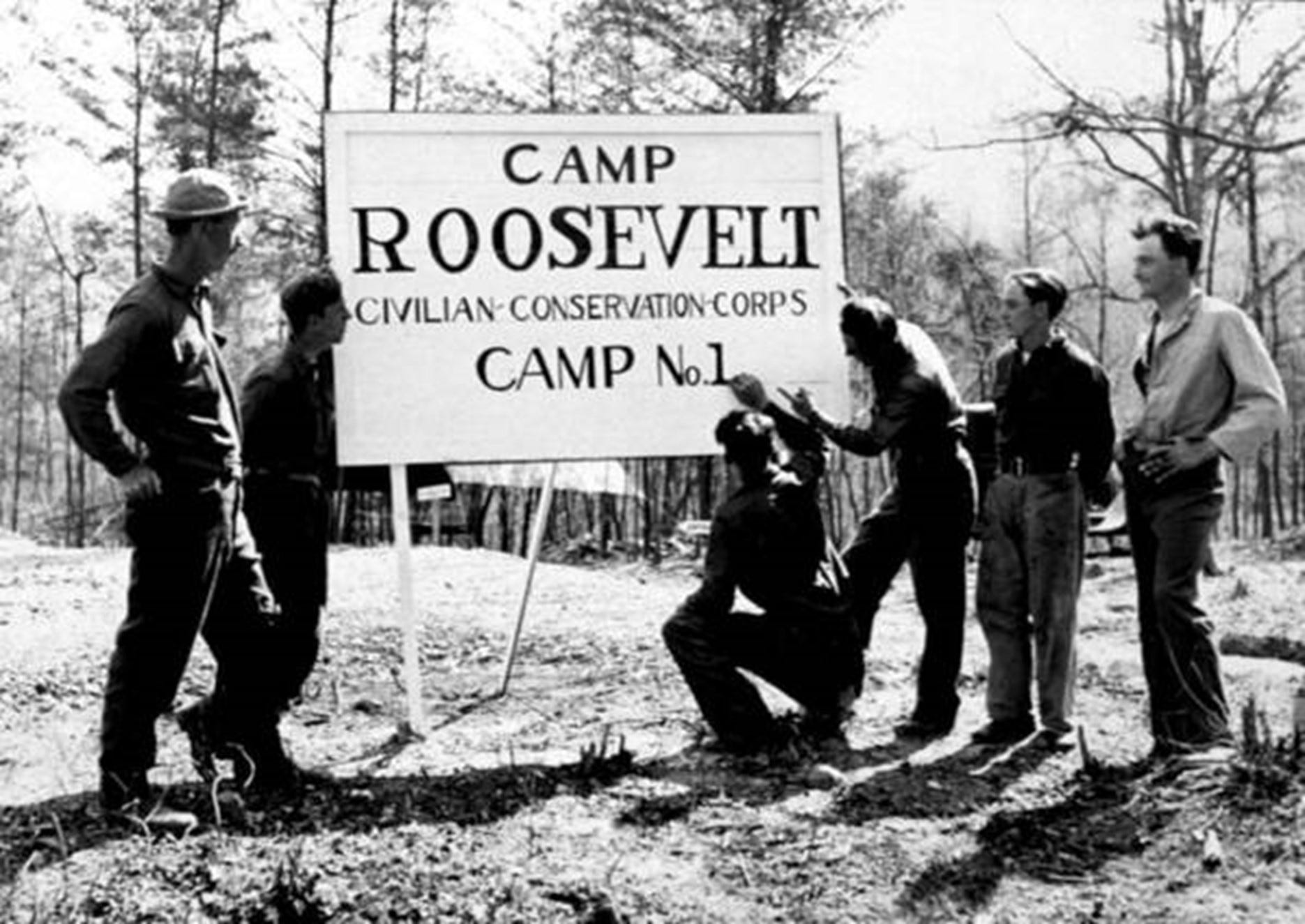
32:13The New Deal Initiatives
36:35Relief and Employment Programs
40:54Social Security and Labor Rights
43:49The Impact of the New Deal
44:18Lessons from the New Deal for Democracy
50:29Comparing the US and France in the 1930s
54:18The Importance of Economic Policy for Democracy