The Economy Belongs In The Moral Sphere
Lessons from Italy’s Civil Economy Tradition
Explore a rich historical tradition rooted in Catholic social thought that envisions the economy as embedded in moral and civic life, emphasizing the common good over mere profit. From 18th-century origins to post-war reconstruction, this episode traces how Italian thinkers and leaders envisioned an economy that serves people and society.
Key topics:
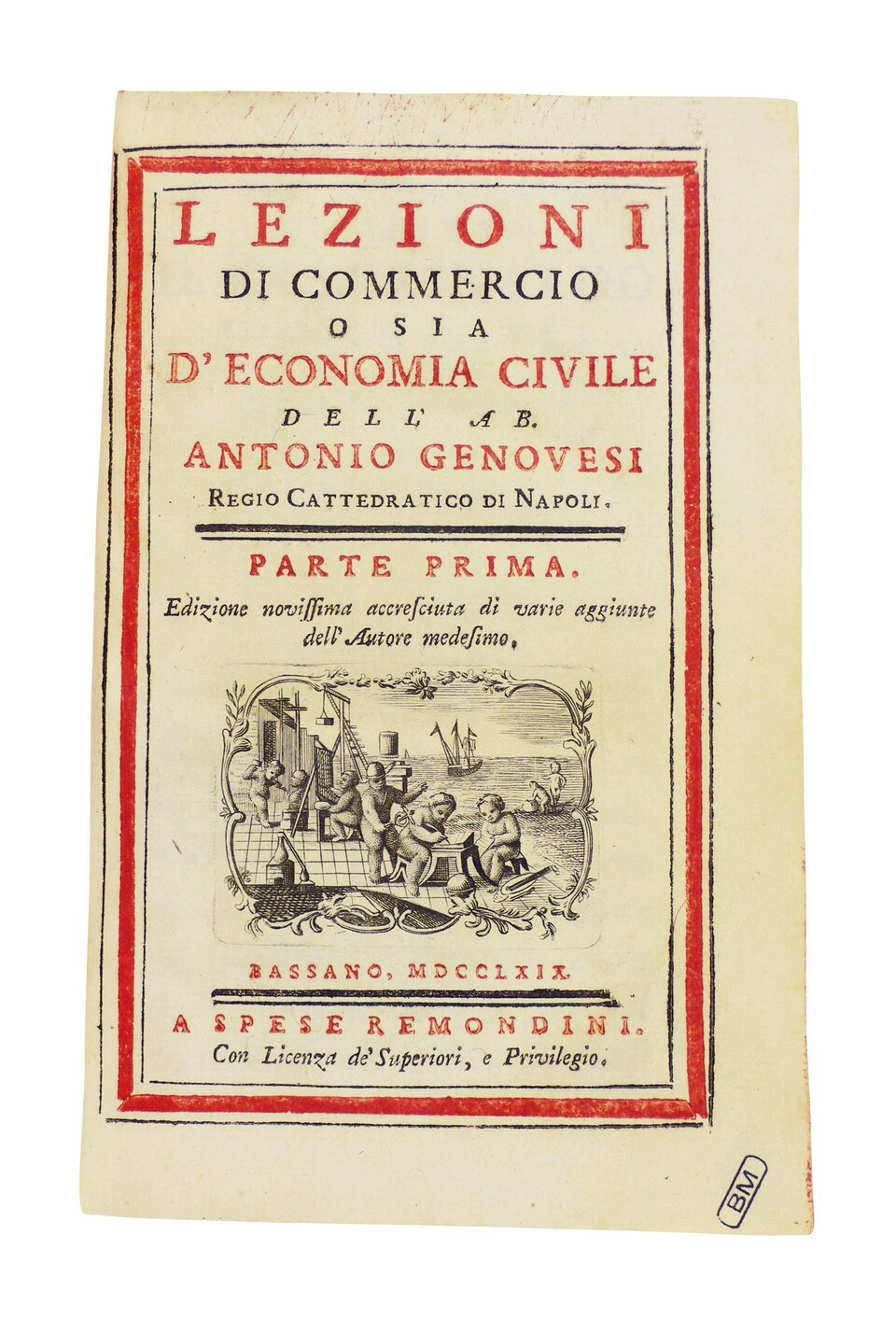
The origins of civil economy in 18th-century Italy with Antonio Genovesi
Contrasting ideas of Adam Smith’s classical economics and Genovesi’s civic approach
The development of Catholic social teaching: from Rerum Novarum to Quadragesimo Anno
The role of Catholic figures like Luigi Sturzo and Alcide de Gasperi in institutionalizing a third way
Post-war Italian politics and the influence of Christian democracy and state-owned enterprises like ENI and IRI
The impact of Cold War geopolitics and energy diplomacy through figures like Enrico Mattei
The rise and fall of post-war Italian economic models and the neoliberal reforms of the 1990s
Revival of civil economy ideas in recent decades and their relevance today
Timestamps:
00:00 - Introduction to the Italian civil economy and its relevance
01:43 - The distinct visions of Antonio Genovesi and Adam Smith
05:10 - Genovesi’s civil economy: economy as part of civic and moral life
10:34 - The political and economic reconstruction after WWII with figures like Alcide de Gasperi and Fanfani
15:16 - The encyclicals Rerum Novarum and Quadragesimo Anno: foundations of Catholic social teaching
22:30 - The political transformation: from post-war consensus to the collapse in the 1990s
25:23 - The Camaldoli Code and the moral renewal of Italy’s post-fascist reconstruction
40:37 - Enrico Mattei and Italy’s energy sovereignty during the Cold War
47:49 - The systemic weaknesses and patronage in Italy’s post-war economic model
54:50 - Contemporary revival and the civil economy tradition in Italy today
Resources & Links:
Luigi Sturzo - Italian Christian Democrat
Notable Insights:
The civil economy offers a moral and relational alternative to neoliberal individualism.
Catholic social thought developed a third way that fuses market functions with social and moral ends.
Italy’s unique political-economic history, including energy diplomacy and state-led development, reflects this tradition.
Contemporary debates on market regulation, social justice, and environmental sustainability resonate with civil economy principles.