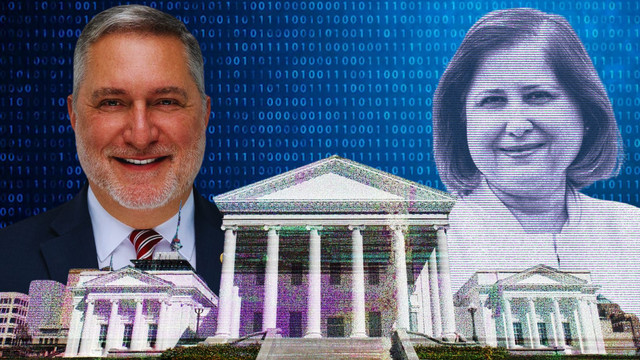
A Virginia statewide candidate just debated an AI-generated version of his opponent — and it might be the clearest sign yet that American democracy is not prepared for the age of deepfakes.
In this episode of By the Ballot, Matt Royer breaks down how artificial intelligence is reshaping political communication faster than the law can respond. We explore the fake debate that kicked off a national conversation, how deepfakes are already influencing elections, why even major media outlets are getting duped, and the terrifying rise of artificial plausible deniability — where politicians can deny real wrongdoing by claiming “that was AI.”
This isn’t the future. It’s now.
🔸 Topics Covered in This Episode:
0:00 — The AI debate that shouldn’t have happened
2:41 — How campaigns are using synthetic opponents
6:15 — Deepfakes go viral: Jon Ossoff clip example
10:48 — Fox News falls for AI slop
14:20 — The danger of “fake fake news”
18:55 — Artificial plausible deniability explained
24:12 — Will politicians deny real scandals using AI?
27:39 — Can protests be erased by saying they were computer-generated?
32:00 — Guardrails, laws, and what states can still do
36:50 — Minnesota’s deepfake legislation
41:02 — What Virginia must pass in 2026
💬 Why this matters:
Deepfakes aren’t just misinformation — they’re a threat to truth, accountability, and elections themselves. Without guardrails, AI could reshape our politics in irreversible ways.
🔗 Read the full written piece — l
👍 Like, comment, and subscribe for more insights on politics, tech, and democracy.
#AI #Deepfakes #Politics #2026Elections #Disinformation #VirginiaPolitics #MediaLiteracy #ByTheBallot