Episode Overview
While tech CEOs spend billions on compute power and algorithms, they're missing the linguistic patterns that determine whether AI products actually work for billions of users. This isn't a technical problem—it's a cultural intelligence gap at the highest levels of tech leadership.
Key Topics Discussed
When AI Meets Reality
Google AI Overviews telling users to put glue on pizza and eat rocks
Why this wasn't a technical failure—it was linguistic blindness
How AI can't decode social context, sarcasm, and reliability markers
Detection vs. Comprehension: The Critical Gap
Why detecting patterns isn't the same as understanding meaning
How AI can spot sarcasm without comprehending its social function
The fundamental limitation that scale and data can't solve
The ChatGPT Bias Problem
How formal academic language gets better AI responses
Linguistic hierarchies embedded in training data
When Linguistic Blindness Becomes Dangerous
Chatbots missing suicide risk signals in teen language
How communication style variations across cultures affect crisis detection
The life-and-death stakes of linguistic intelligence gaps
Singapore's Strategic Advantage
How multilingual AI development creates competitive edge
Why cultural alignment beats computational power in global markets
What Silicon Valley is missing about linguistic diversity
The Storytelling Problem
Meta's failed cooking assistant and smart glasses demos
How Silicon Valley culture prevents honest communication about AI limits
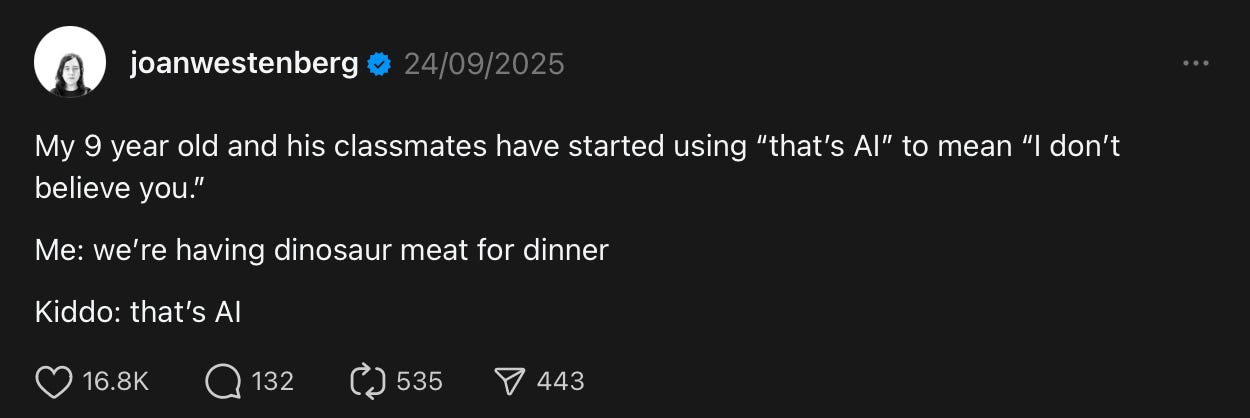
Generation Alpha's "that's AI" skepticism revealing the trust gap
Building Linguistic Intelligence
What AI leadership needs beyond technical expertise
How to audit products for cultural blind spots
Why this capability determines future competitive advantage
Key Takeaways
AI can detect linguistic patterns but cannot comprehend human meaning and social context
Billions in AI investment fail because tech leadership lacks cultural intelligence
Linguistic diversity isn't a translation problem, it's a fundamental design challenge
Companies that develop linguistic intelligence capabilities will dominate global markets