“And so it appears that all these five blocks of buildings are at work, and inferior cotton is sold in the Eastern markets, simply that Christina Dmitryevna may eat sterlet and drink Madeira.”
In 1890, Anton Chekhov made what was surely an uncomfortable six-week journey across Siberia. His destination: Sakhalin Island, a penal colony established by imperial Russia to house criminals and political prisoners. For reasons not entirely understood, Chekhov, a medical doctor by day and prolific writer by night, set out to rigorously document the squalor and depravity of the conditions to which the prisoners were subjected.
Why might a talented young man decide to do such a thing? Chekhov had a deep sensitivity to the plight of humankind and was compelled to treat it and bring it into the public consciousness. This wiring led him to create detailed studies, in situ, of nearly 10,000 prisoners who lived among such an infestation of bugs and cockroaches, “that the walls and ceilings seemed to be covered in funeral crape, moving as if in a wind.” It also inspired dozens and dozens of insightful short stories that are heavy on pathos and short on sentimentality. His hit rate is truly remarkable.
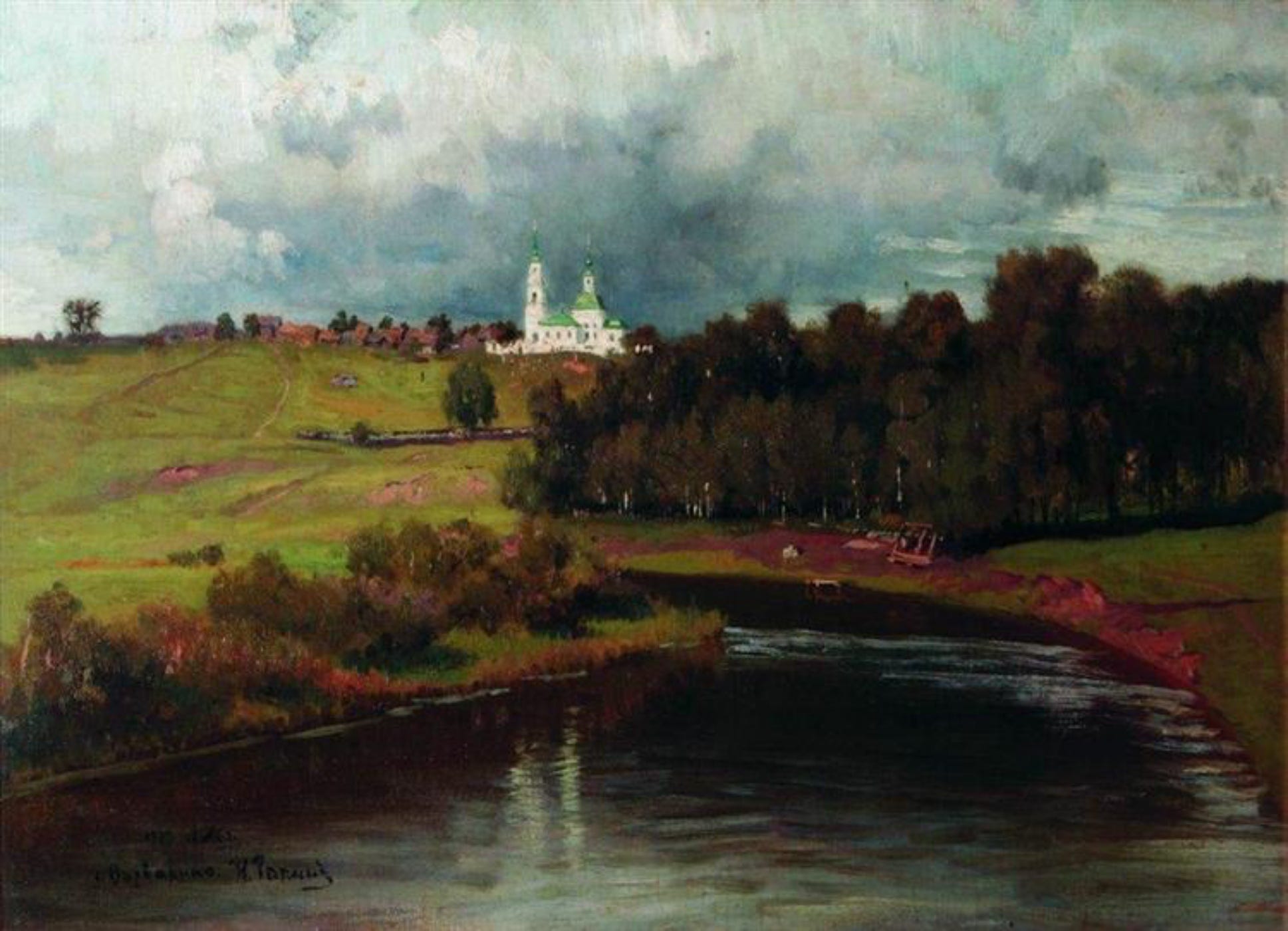
Today’s story, “A Doctor’s Visit,” takes us not to the vast loneliness of Siberia but to an industrial town outside Moscow where a young doctor has been called to examine the daughter and heiress of the area’s primary factory complex. What he finds is an intelligent woman who has, through the din of the machinery and the despondent lives of the factory workers, fallen into an ambiguous state of existential despair.
Chekhov, the doctor-writer, deftly diagnoses the ailment, but he does not leave it untreated. By the end of this sensitive narrative, the “larks [are] trilling and the church bells [are] pealing” once again.
Please enjoy…
Subscribe to Classics Read Aloud to receive future readings, including commentary and interesting “et cetera” tangent links, right to your inbox: https://classicsreadaloud.substack.com/subscribe