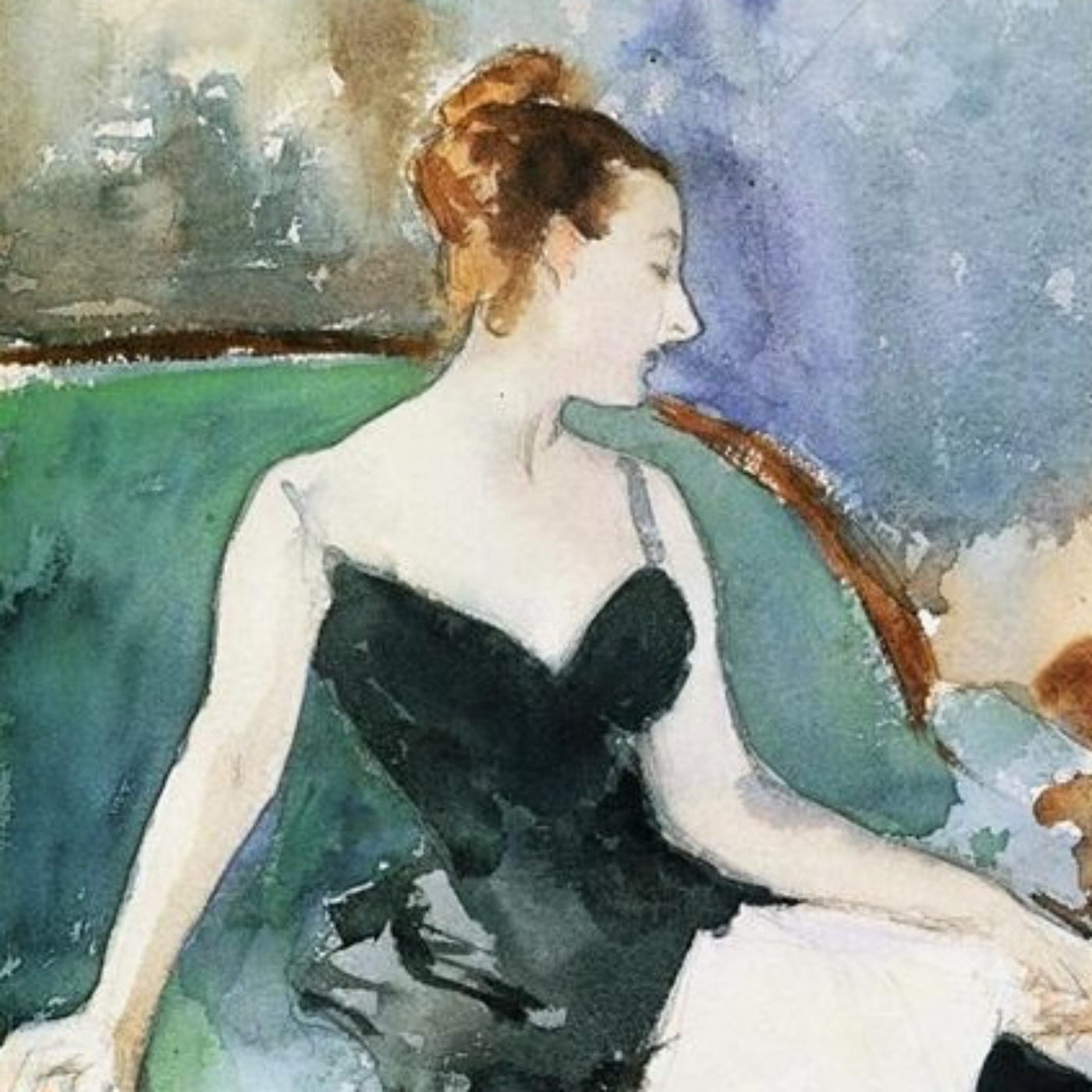
“Mathilde suffered ceaselessly, feeling herself born to enjoy all delicacies and all luxuries.”
Guy de Maupassant was like a flash of lightening on the literary scene. He had a short life and a shorter writing career that left a slowly fading echo of light in the night sky. As Maupassant himself acknowledged, “I entered the literary life like a meteor and I will come out like a love at first sight.”
Love at first sight, in Maupassant’s world, comes to a lonely, regrettable end.
In his ten intense years of writing, the author created over 300 short stories and six novels, among a number of other creative pursuits. Maupassant called himself a naturalist and pressed beauty right up against pain and suffering in stories that quickly won the fawning attention of readers who were ready for a radical departure from the romanticism that reigned in the first half of the 19th-century.
Friend and fellow naturalist Emile Zola called Maupassant “the happiest and unhappiest of men.” It is easy to see this deportment take shape in a story like “The Necklace,” in which a beautiful woman, desperate for a beautiful life, is served a slice of her soul’s desire only for it to digest into years of penance and misery.
“The Necklace” remains one of Maupassant’s best-known works, and we can surely appreciate why once we experience the painful twist of his ending.
Please enjoy…
Subscribe to Classics Read Aloud to receive future readings, including commentary and interesting “et cetera” tangent links, right to your inbox: https://classicsreadaloud.substack.com/subscribe