To Build a Fire by Jack London
“At the man’s heels trotted a dog...The animal was depressed by the tremendous cold. It knew that it was no time for travelling. Its instinct told it a truer tale than was told to the man by the man’s judgment.”
Over at Doomberg, where we write about energy as the lynchpin to humanity’s ability to not only survive but thrive (“Energy is Life”), we have often highlighted the concept of “thermal comfort”—the narrow band of temperature conditions in which human life can sustain. It is easy to take such a concept for granted in a world where even the most basic of new cars includes a heated steering wheel and a pair of heated seats. Nonetheless, while human beings are quite hearty in many respects, temperature matters, and exposure to extreme cold has been the death knell to many fingers, toes, and lives.
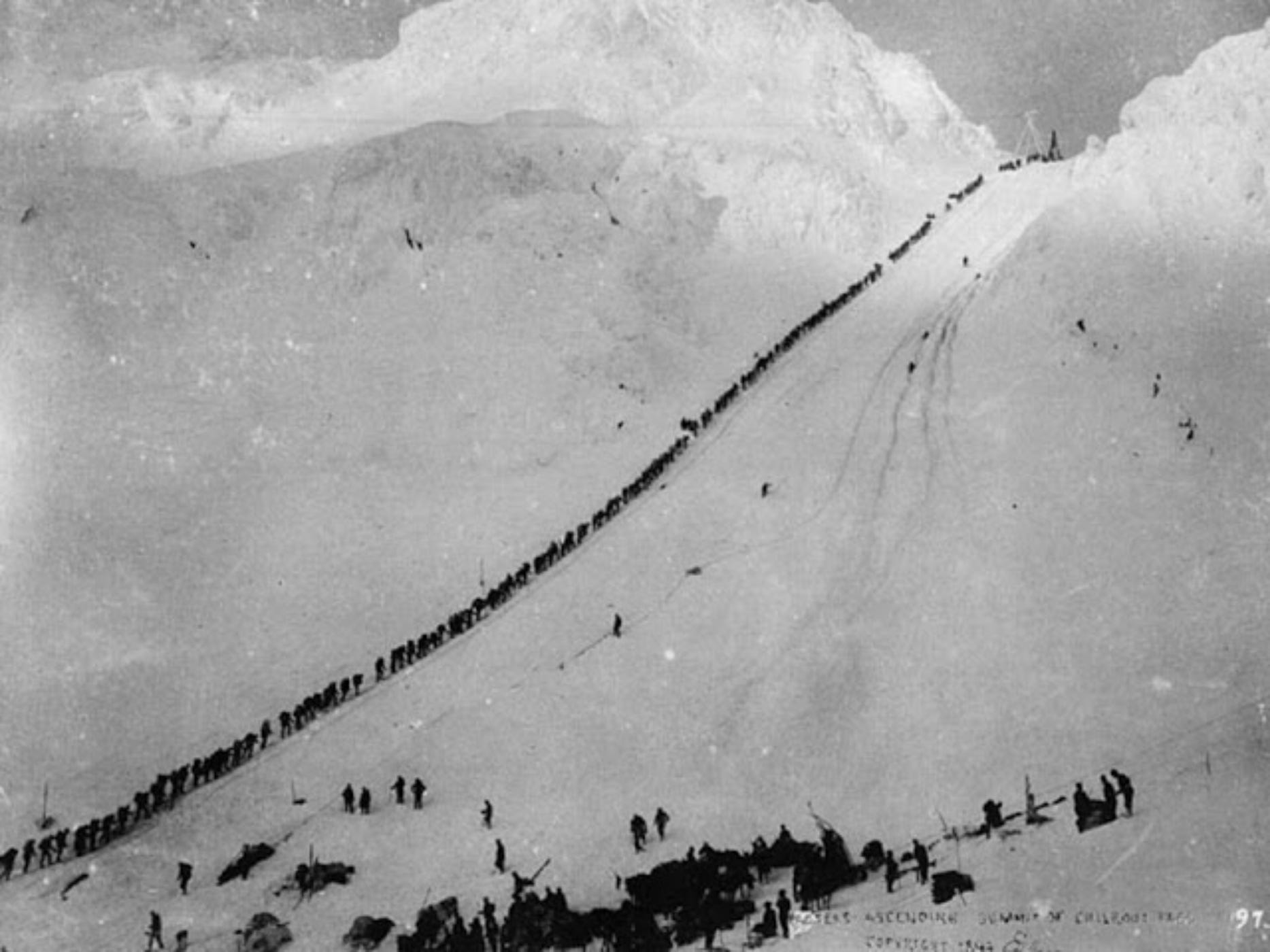
Enter Jack London. London is famous for his narrative work exploring the great north and was an experienced outdoorsman himself, having joined the 100,000 prospectors heading into the frigid wilderness during the Gold Rush of the late 1800s. It was here that he battled the most extreme elements that Mother Nature had to offer, hauling a year’s worth of food and equipment up the viciously steep Chilkoot Pass, into the Yukon, on his way to Dawson City. Temperatures in the region could reach as low as 70 degrees below zero Fahrenheit, and a man’s spittle would freeze midair. Only a fraction of those attempting the journey, all desperate to mine their way to fortune, survived. London’s stories strike so powerfully because he lived them.
“To Build a Fire” follows an unnamed prospector making his way on a similar path. He has separated from the rest of his group, taking a circuitous route to scope out some logging potential for the coming spring. On this simple, quick trip—“he would certainly be with the boys by six”—he is accompanied by his dog, a beast driven by the strong signals flaring in its instinctual core, unclouded by mankind’s hubris.
This is a visceral anthem to the supremacy of Mother Nature that you won’t soon forget.
Please enjoy…
Subscribe to Classics Read Aloud to receive future readings, including commentary and interesting “et cetera” tangent links, right to your inbox: https://classicsreadaloud.substack.com/subscribe