In early 2004, I was feeling restless in full-time employment. I was working as a programme manager at Navman and had spent years building technology for consumer GPS products, including sports watches with Timex. The work was good and the people were smart, but I felt misaligned. I wanted to apply what I knew about products and technology to something I cared about deeply. Human performance had already taken hold of me.
Two years earlier, I had experimented with simulated altitude training. The effect was noticeable and convincing. I was already racing endurance events and understood what marginal gains meant over long distances. In January 2004, I raced my first Half Ironman in Auckland, where BodyO₂ was the naming sponsor. After the race, I spoke to the team at the BodyO₂ tent and asked whether the company planned to open in Christchurch, where I was living at the time. The team said no, but Mike, the franchisor, mentioned the company was looking for franchisees.
I walked away, bought a coffee from a burger van and thought about it for 10 minutes. Then I went back and asked for a business card. Within weeks, I initiated the franchise purchase. I was selling a house in the United Kingdom as my move to New Zealand became permanent, and I had capital available. The idea was seductive. Altitude training would be the entry point. The revenue would fund the development of my own health and performance technology.
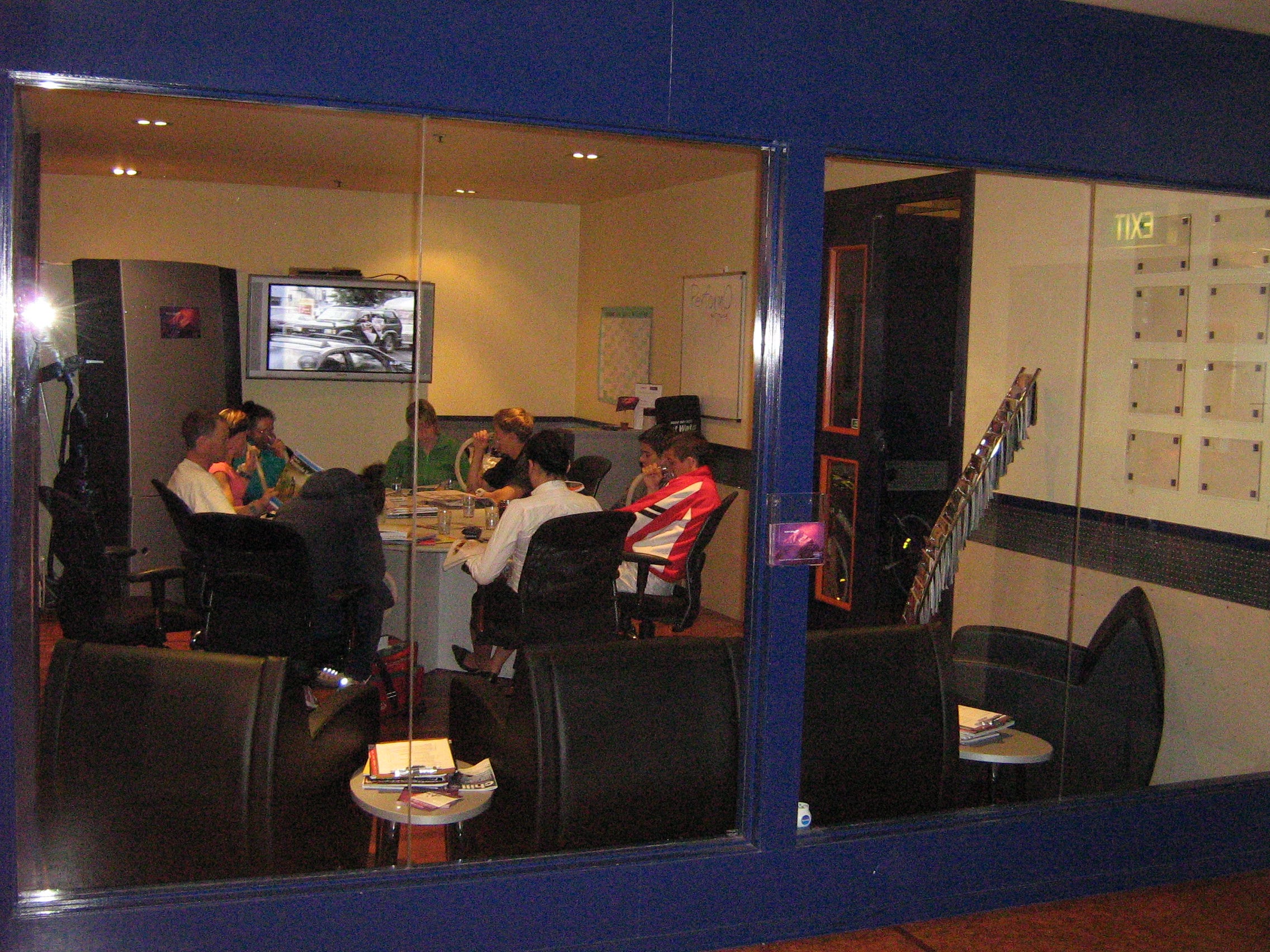
By the end of March, I had resigned from Navman. On 19 April, I opened the doors to BodyO₂ Christchurch. The speed of execution felt on brand and consistent with what I was planning. I told myself that the franchise was the revenue-generating entry point to a technology startup and this is how a startup works. This was my internal narrative but it was actually momentum unchecked by scrutiny; it was ungoverned momentum.
At the time, I believed I had assembled a rare alignment of success factors. I had technical experience in sports hardware, credibility as an aspiring athlete and access to a growing endurance market. One of the other franchisees was Nic Gill (now performance coach for the All Blacks), who was running the Hamilton studio while coaching the Chiefs Rugby team. We discussed collaborations around wearable GPS devices for rugby players, an idea that was ahead of its time. I spoke with race organisers about timing and tracking systems. I applied for government funding. I stocked supplements, compression gear, breathing devices and anything adjacent to performance.
I went in hard. I sponsored events aggressively and spent on print, radio and television. Social media was not yet a marketing channel. Marketing was expensive and blunt. I raced constantly under my own brand and became both promoter and product. Within 3 months, people were coming through the door, but most were using complimentary sessions I had given away as sponsorship prizes. Conversion was weak and retention was virtually non-existent.
By September my cash flow was gone. I borrowed from the bank and finance companies and brought in an investor to buy time. I told myself winter was the problem and that the upcoming triathlon season would fix it. It did not. By the end of the year the numbers were unmistakable. Revenue for the entire business was lower than a single salary. Nothing I tried made a difference.
I did not stop. I had committed to Coast to Coast and Ironman, racing while the business deteriorated. I framed the struggle as character building. I told myself that persistence was the price of legitimacy. I had read stories about founders surviving on the edge of bankruptcy and believed this was the same thing. The narrative was powerful enough to override the data. In early February 2005, a week before Coast to Coast, the bank withdrew the credit line it had extended months earlier. I was insolvent. I finished the race and Ironman anyway, under stress that I refused to acknowledge. I still had staff and I still believed something would shift.
Following Ironman, I moved back to Auckland after being approached by Richard Mangnall, the COO of Phitek, an Auckland-based noise-cancelling headphone company. He had been my boss at Navman in 2002 and offered me a contract role. The income allowed me to keep paying staff. One of my staff, Aron, reduced her hours and accepted shares in lieu of pay. She effectively worked for free because she could see the reality I was still denying.
That arrangement lasted another 6 months. Eventually, the franchise holding company collapsed and its assets were sold to another franchisee. Legal conflict followed. I exited the franchise and continued under my own brand, PerformO.
PerformO ran from 2006 to 2010. I used the original altitude equipment and later portable simulators that I had helped develop. The simulators were prototypes and not robust enough for field use. Those prototypes failed clients and failed me. I persisted anyway. By the time I closed the business following the 2008 global financial crisis, I had lost the best part of a million NZ dollars. The loss had been accumulating since the very first few months but I had refused to stop. Most of my revenue was ultimately from retailing nutrition and clothing. My real reason to go into business, as a technology start-up, was stillborn.
I take full ownership of that outcome. The franchise, the market, the timing and the global financial crisis all played roles, but none of those forced my decisions. Ego did. I wanted my endurance to mean something beyond sport. I wanted pain tolerance to be wisdom. I believed if I could suffer physically, then I could outlast a business reality.
There was a period during this time when I was effectively homeless. I had sold everything. My old Navy shipmate Mick Skelton, who was with me watching the Coast to Coast when Gurney finished in 2004, let me stay in a house he was renovating in Christchurch. There was no power and no water. He asked for nothing and expected nothing. John Justice, a close friend from my UK days, would order takeaway pizza from Wellington and have it delivered to me. Those gestures were worth more than any investor conversation. I also need to mention Scotty Brown and Aidan Crean, who own Scotty Browns Bike Emporium, in Christchurch. Both helped promote my business alongside the Emporium and maintained my bikes when I couldn’t afford to pay. Scotty raced Ironman in 2005, the same year as me. Over the past 2 decades, I have purchased all but one of my bikes from the Emporium.
In the same week the bank pulled the plug, I met Thiri. We stayed connected through years of instability and distance while I rebuilt. In 2006, she moved to Melbourne and chose to stay in touch. That continuity grounded me at a time when my own judgement had failed.
The signals were detectable within months. I ignored those signals because stopping felt like weakness, failure and betrayal. I had violated Gaman’s primary principle: endurance became identity. Identity blocked perception. That pattern is common and rarely admitted. Persistence is celebrated, stopping is framed as weakness and the ability to endure without noticing when endurance has become destructive is blindness reinforced by effort.
My mistake was confusing suffering with progress and motion with meaning. What matured me was what became visible once the grind ended. That experience has shaped everything that has followed. It taught me that endurance must be governed and that intent without distance eventually collapses under its own weight.
It remains one of the most costly and formative chapters of my life.