Our connection to nature is captured in appreciation for the journey these birds make. This is a group of stranglers; the bulk of the migration has passed. They flew overhead yesterday while I was playing with my grandkids. Every time I see a flock like this pass overhead, I am in awe of their navigational instincts.
These are Canada Geese, one of three or four species that migrate south along the Pacific flyway. They will cover 3200 km to 5600 km, depending on their starting point (2000 to 3500 miles), flying from Arctic Canada to the southern U.S. and Mexico for the winter.
With flight speeds of 64 km to over 100 km per hour (40-70 miles per hour), a built-in GPS and navigational devices, they face every obstacle humans have created, plus those the weather presents.
After wandering the world for two years, the first thing I did on my return home was go camping in a cow pasture because my father and mother were banding birds. Crouched down in a slough, overhead came a flock of Canada Geese honking and flying low. I could hear their wings whistle as they passed overhead.
And I cried from the joy of their presence.
Navigating Uncertainty: Visionary Resilience is a reader-supported publication. To receive new posts and support my work, consider becoming a free or paid subscriber.
Nothing is quite as spectacular as the flight and migration of birds… a journey that has been followed for possibly 50 million years according to the fossil record.
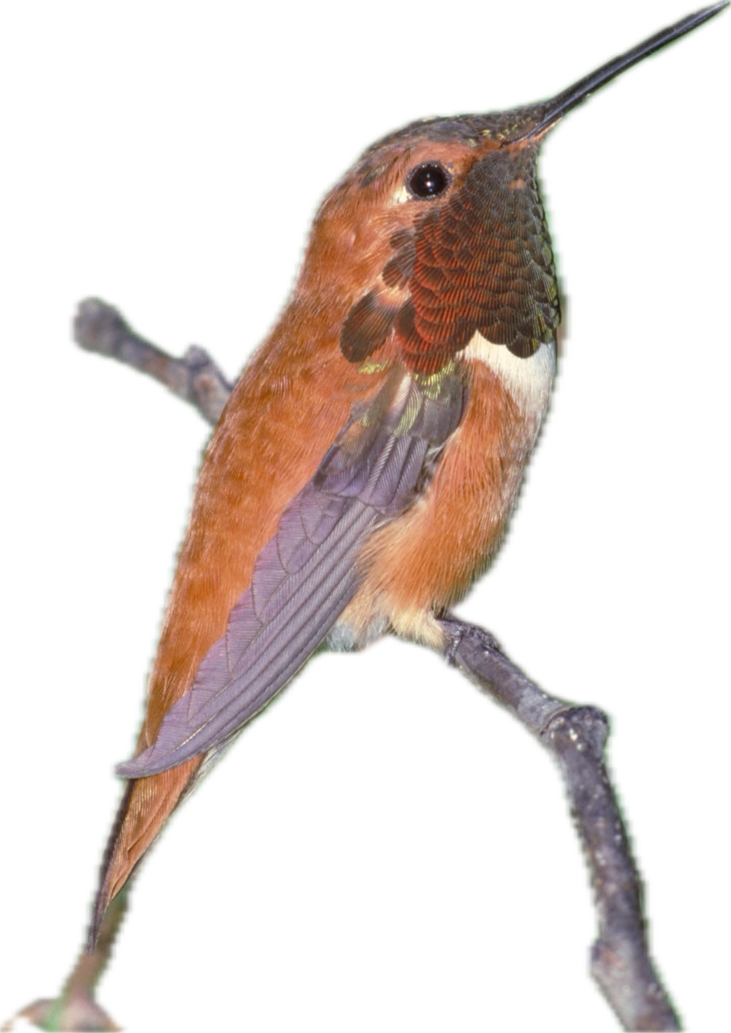
Hummingbirds lay an egg the size of a pea. Their migratory journey covers 3200 km (2000 miles) and fits easily in the palm of your hand. You can’t handle them without risking breaking their wings. And yet they make that flight distance. Their metabolic rate is so high that at night they go into a state of hibernation.
Photo: Edgar T. Jones
Our technological ambitions look small next to the magnificence of small birds on big flights or larger birds on group flights.