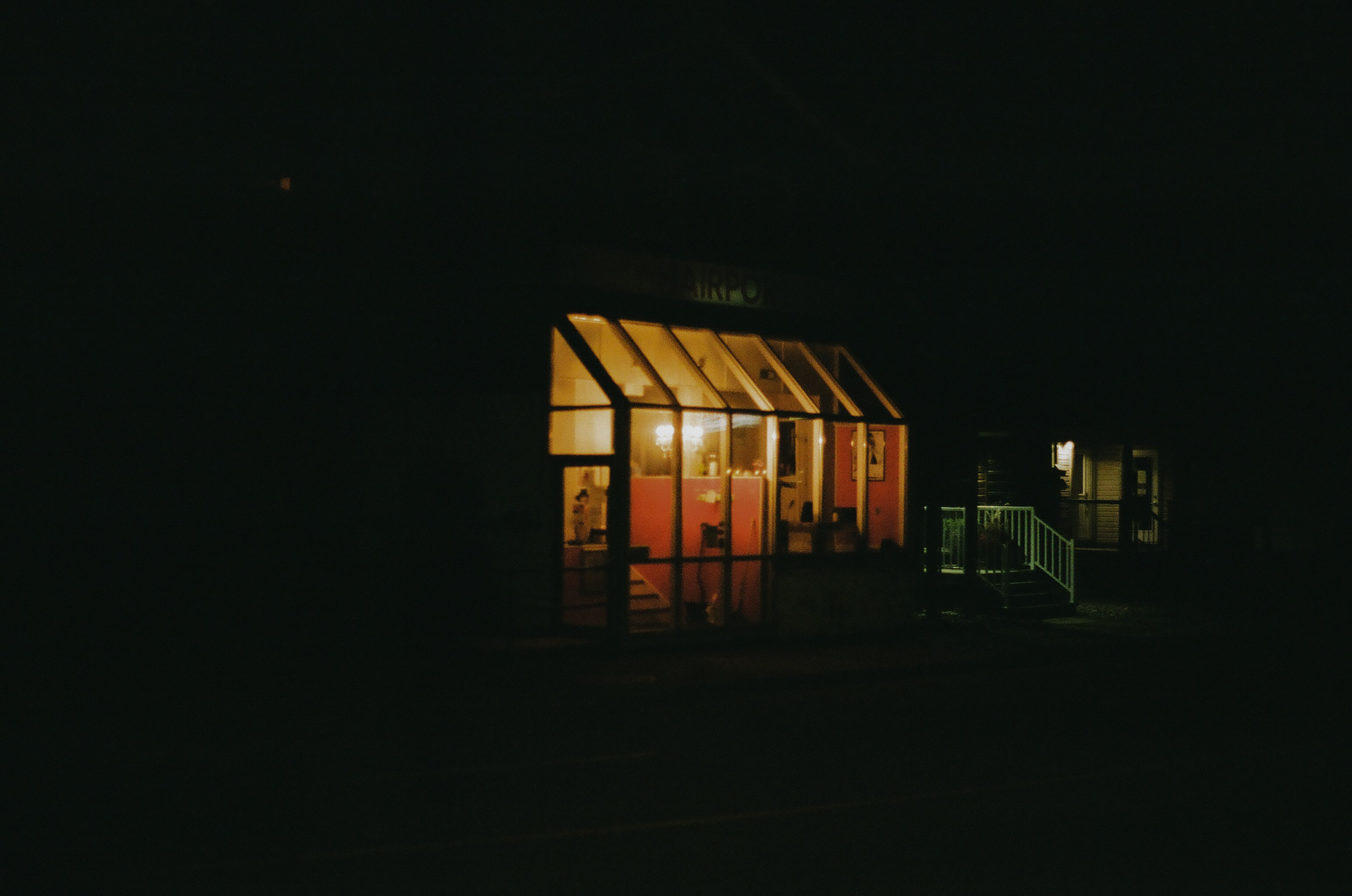
It makes sense to me that trying to imagine the death of the dominant culture, and of ways of being that have been practiced for centuries, would engender rage and terror. It makes sense that the un-knowing of where we will be, on the other side, is enough to make people freeze up, not want to speak. And at the same time, there’s the simple, common, goodwill: the hope that the little things, like a slice of pumpkin bread, can bring neighbors together, can remind us that we aren’t alone, that the desire for community is deep and strong.
So how do we love each other, and bring bread, and yet also have hard conversations, fight the violence, name the ways it tears at our hearts and breaks us?
When I get ready to speak publicly about what I think and how I feel about patriarchy and sexual violence, about economic inequality, about whiteness and ecosystem destruction and rampant growth, I assume I will be met with derision, with people turning away, wanting me to stop talking. But lately, I’ve been encountering people whose shoulders relax when I say these things; who exhale with relief when I make the opening in conversation.
I’m still shocked when they step toward me and share back. They’re telling me about the steps they’re taking to save the land that abuts their farm, to save it from development. They’re telling me about the people they’re gathering with, to push things forward. I have been assuming that community happens when the hard things are silenced and the violence is buried. But lately, I am seeing that is me who is making assumptions that are wrong, and that the community I crave is already here, that it is ready, that it is digging in the darkness, spades and shovels and hand trowels, turning the ground.