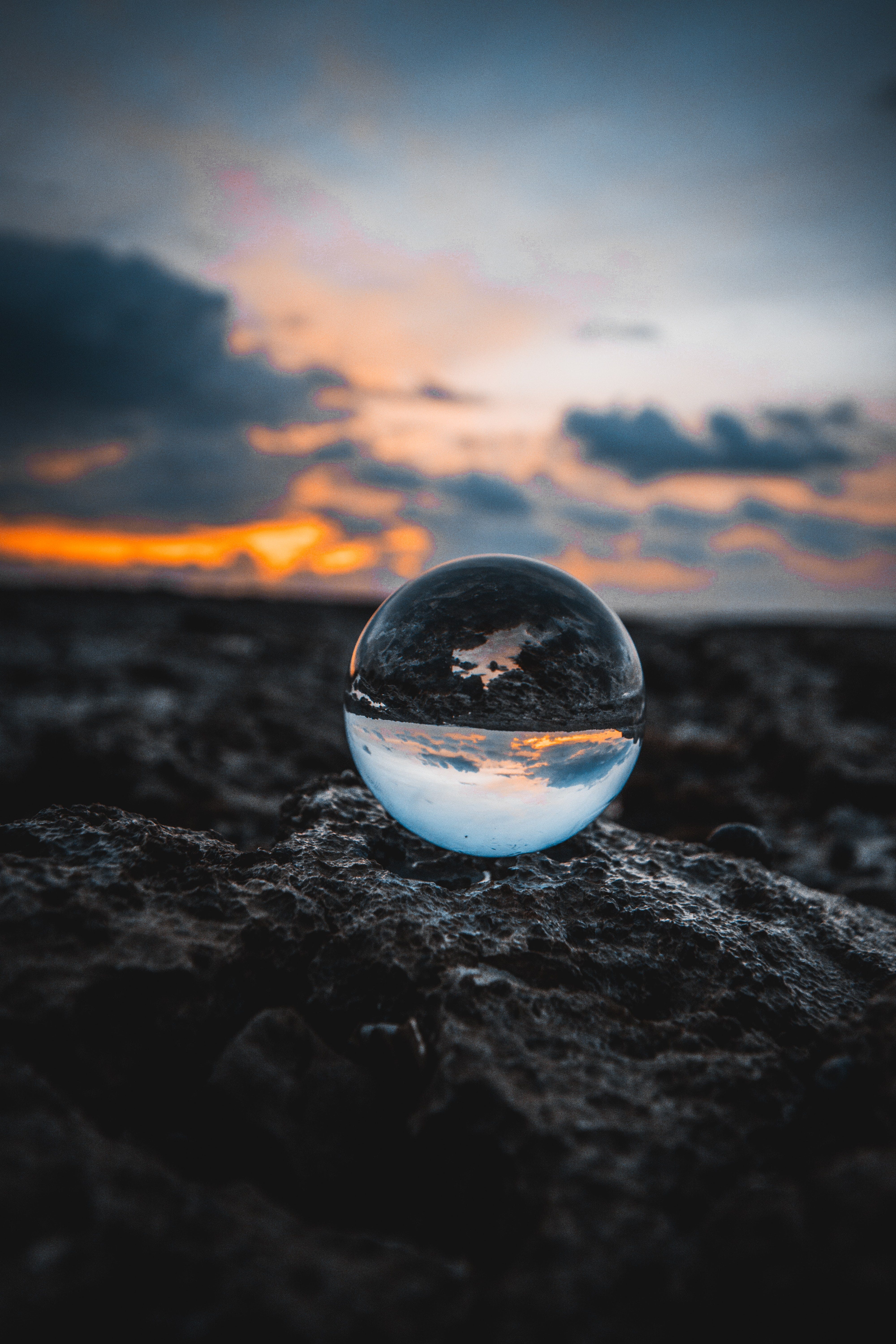
What’s the difference between creativity and imagination?
There’s an underlying assumption that creativity seeks an output, that it wants to generate a material artifact, either as a goal in itself (think “art as creative expression”), or to make an impact on someone else, or to generate money for the creator.
Imagination seems less attached to an output. I think of imagination as an force, buoyant and inexhaustible, surging and sparking. It doesn’t need us, or want anything from us. We can choose to connect to it, but there’s no guarantee of safety—it might be a great experience; it might take us to our edge. Imagination is other-worldly, by which I mean it’s not necessarily bound by or linked to what is.
I’ve been thinking about creativity and imagination as ways to characterize the difference between reformist and revolutionary strategies for social change. Reformist strategies seek to improve and overhaul our current systems, organizations, and structures. They often start with an end goal in mind. Revolutionary strategies try to imagine an entirely new way of solving a problem, without necessarily being attached to things as they stand.
One thing I’ve been wondering about is this: what would “therapy” look like if its work was less that of creativity/reform and more that of imagination/revolution? What would it seek to heal? What strategies would we us, to do it? What would change if the field’s focus on trauma shifted from addressing the impact of interpersonal violence on individuals and communities to instead healing trauma’s ultimate source, the violence of inequality, systemic violence and oppression?