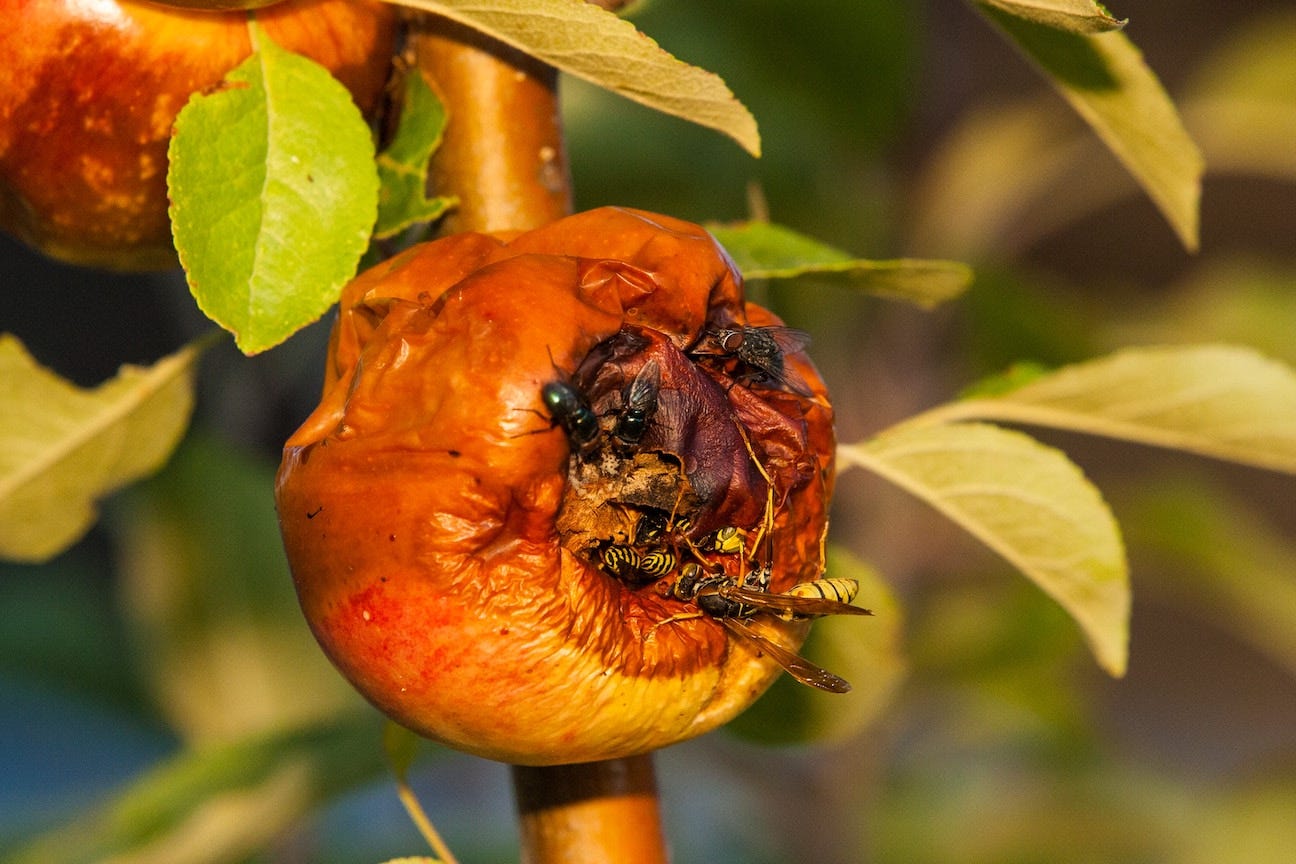
Last week I listened to an interview between the arts consultant and therapist Beth Pickens, who specializes in working with artists and wrote Make Your Art No Matter What, and Austin Kleon, the author of a number of bestselling books, like Steal Like An Artist and Show Your Work. Pickens was telling Kleon about the kinds of anxieties she sees in her artist clients. She said every artist should have a death acceptance practice. This was her first slide: We will die.
Then she said: Having a death acceptance practice helps us be in the living while we are alive. You have a lot of work to make while you’re here and I want you to move around the fear that’s stopping you, and a death acceptance practice can help you do that.
Another reason to have the practice is that throughout history it’s artists who have been explaining death and the divine to us. You are our best hope for describing, for approaching, for encountering the ineffable. So the fact that we will die; the fact of our mortality, we rely on you to help us understand and interpret this.
Our lives are finite, and I want you to make your work. You have to make your work.
One thing I love about Pickens’ recommending a death practice is that it obliterates the ego, if only for a second. It pushes me past my own preciousness, my avoidance of my disappointment that the work isn’t amazing, glorious, ground breaking. It’s just work. It’s just appreciation for being able to think, in communion with other people, in one split second.
The fact of death makes the risk of making something worth taking.
But the fact of death can also drive making into a practice of dissociated frenzy. All my activity, keeping the image of my corpse at bay. I’ve been holding the tension between the need to take the risk, make the thing, and the need to be present, not use the work to escape the body, the feelings that are lurking and waiting for me to break my focus.
How much work is enough? Enough in terms of quantity, or quality, or fullness of expression of an idea? When is a piece of work good enough to be called finished and released? When I substitute the word “art” for “work,” the question has more gravity to it. If I say “content,” it has less. Weak art sucks; weak content just gets overridden with more content. There’s this truism that the more content a person creates, the better. Better connection with the audience; better engagement; an increasing reassurance in the relationship between the two sides, creator and receiver, each demonstrating how much the other matters to them.
Beth Pickens doesn’t say make a whole bunch of art, no matter what. She just says make art. It’s me who’s added the question of enough to it, as I watched myself canning jar after jar, filling up every crevice of my freezer and pantry. I live in a city. I can walk to a grocery store. It’s really ok. Except, somewhere in my being, it’s not. How hard do I have to work, in my own eyes, to feel like I get to rest, that I’ve shown the universe my gratitude for being here?