Naming God, Training Our Imagination
This episode with Scott Holland found me standing at the meeting point of several streams I have been wading in lately: Dana Cassell’s Outwit class on resisting tyrants, Walter Brueggemann on prophetic imagination, and Scott’s work in theopoetics. What tied them together was not only a topic but a practice, imagination as the way faith learns to see differently and then to live differently.
Reason walks where imagination has cleared a path
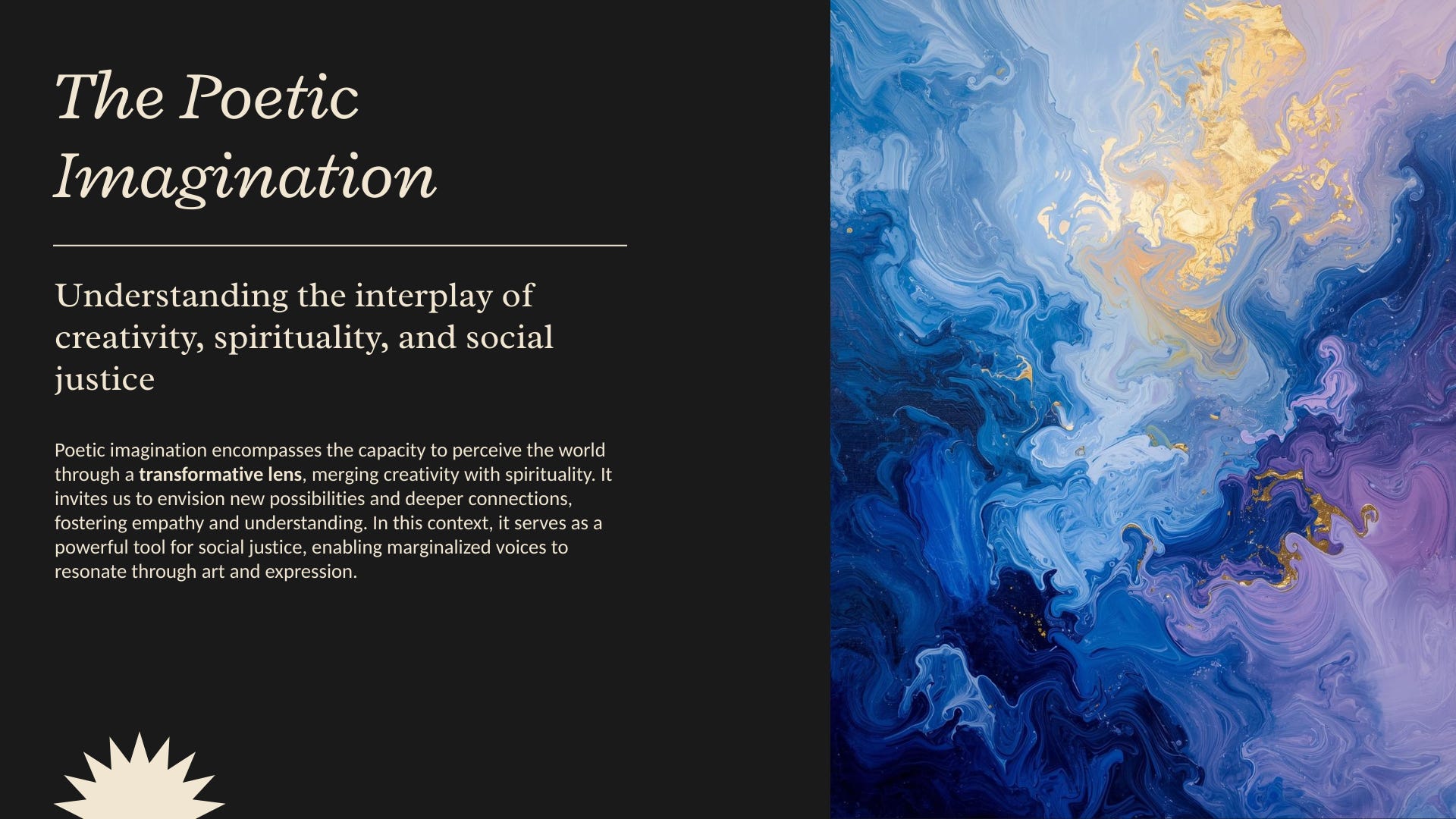
Early on, we named something simple and bracing, language does not only report our faith, it forms it. Scott spoke of poetic imagination as a way of knowing, a God consciousness that refuses to stop at bare rationality. He echoed Richard Rorty’s insight that reason only follows after imagination has opened new paths. That landed for me. If our God talk is cramped or control heavy, our lives will feel the same. If our language makes room for awe, lament, and neighborliness, it opens space for new practices rather than only new opinions.
Reading Exodus without shrinking it
From there we turned to Exodus. I put on the table a question I have been carrying, did the plagues have to happen exactly as reported in order to be true, or did they literarily happen, told as a theopoetic way to unmask Pharaoh’s system and to name God’s liberating work. Scott affirmed the legitimacy of reading the narrative as a literary imagination of liberation, one that trains our vision for what God is doing among oppressed peoples. In that light, each plague can read like a memo to a different department of empire, water, labor, economy, religion, and more, until the regime’s spell is broken and a new people can be born.
From a military metaphysics to a poetics of peace
Scott drew on years with the World Council of Churches and the turn from Just War to Just Peace, imagine security not as control but as relationship, covenant with God, neighborliness with one another, care for creation. That reframes Exodus. Instead of a bigger tyrant muscling a smaller one, we hear a call to leave Egypt’s imagination behind and to practice an economy of enough, Sabbath, Jubilee mercy, and shared flourishing. It also reframes our congregational life, new words invite new habits.
Is creation a witness
We ventured to wonder, does creation speak back to oppression. Scott pointed to recent ecological wisdom that treats nature not as an it but as a thou. In process language, God lures the world, human and more than human, toward life. However we parse the mechanics, Scripture’s metaphors give us permission to notice creation as participant, not prop. That kind of imagination leads to practice, river cleanups as confession, gardens as parables, shared harvest as doxology.
A democracy of the soul
When Grayson asked how Just Peace addresses real conflict, Scott reached for deep democracy, not simple majoritarianism, but communities that make honest space for the minority voice. He linked that outer work to inner work, a democracy of the soul, where we host many voices with humility and attention. That is discipleship language I can pray with this week.
Three small practices I am taking with me
* Audit our prayers for control speak. Shift from God take over to God teach us to partner, and listen for how that change reshapes us.
* Add Sabbath economy moments in Advent. Name one neighborly practice each week, debt relief, gleaning generosity, shared meals, and invite participation.
* Let creation testify. Each Sunday, bless one story where the more than human world helps heal, feed, or reconcile neighbors.
This episode with Scott confirmed something I am learning as a pastor. If imagination opens the path, language makes it walkable. I am grateful for Scott’s companionship and for the chance to keep learning how to name God in ways large enough for mystery and strong enough for liberation.
Question for you, where have you seen new words, poems, songs, or metaphors create space for new life. Reply and tell me a story.
Faith in Process: Sunday’s Cool
Recorded live on Sunday mornings at Pleasant Valley Church of the Brethren in Weyers Cave, Virginia. Hosted by Pastor Harry Jarrett.
Join us in person or listen on Apple, Spotify, YouTube, or Substack.Learn more about our congregation at pleasantvalleyalive.org