When Faith Becomes Action: Making Service Second Nature
What if love could become second nature to all of us in all of our relationships? What if our hands moved before our egos set in, and service felt as natural as breathing? These questions challenge us to examine how our faith translates into tangible action in the world around us
What Does Real Faith Look Like?
James asks a blunt question in chapter 2: “What good is faith without works?” His belief is clear - real faith moves, and real love shows up. Faith that remains hidden in our hearts, never expressed through our actions, isn’t the kind of faith that transforms lives or communities.
When we look at Scripture, we see a consistent pattern. Jesus painted a vivid picture: “I was hungry, I was a stranger, I was sick. And whatever you did for one of the least of these, you did it for me” (Matthew 25:31-46). The early church in Acts appointed servants specifically to care for widows, holding together both Word and table, prayer and food (Acts 6:1-7).
How Do We Make Care Habitual?
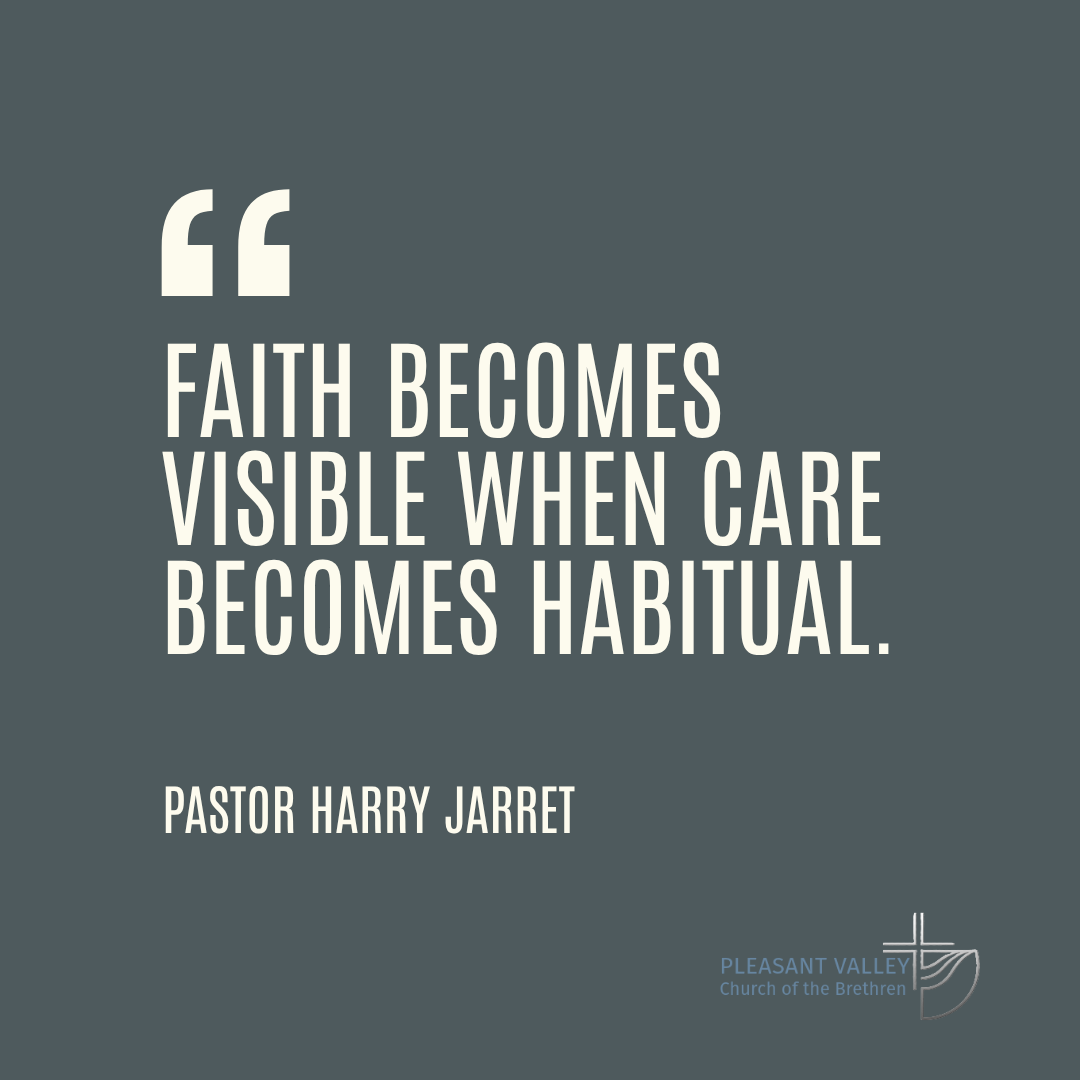
The big idea is simple yet profound: Faith becomes visible when care becomes habitual. This is how the church becomes relevant and vital in our world today. Matthew 25 praises those who serve so automatically that they aren’t even aware they’re doing it. This is the goal - developing what we might call “holy muscle memory.”
What Does Habitual Service Look Like in Practice?
Consider the many ways communities of faith already live this out:
Mission Fields in Our Backyard Some congregations tend actual mission fields - planting soybeans and giving away the proceeds each year. It’s a simple act that connects agricultural work with kingdom work.
Consignment Shops as Ministry Simple shops become steady witnesses in communities. Goods are recirculated, neighbors are cared for, and significant funds are raised for ministry - sometimes upwards of $100,000 annually.
Concerts for a Cause Community events like concerts can raise thousands of dollars for local food pantries while bringing people together for fellowship and fun.
How Can We Serve Children and Families?
Backpack Programs: Eighty-seven kids a week going home with food in their backpacks represents dignity sent home weekly. These programs operate quietly but powerfully, ensuring children don’t go hungry over weekends.
Disaster Response Teams When tragedy strikes, faith communities send teams. They go where the hurt is and stay long enough to help - sometimes for years. This isn’t just about immediate relief but long-term presence and support.
What Can We Learn from Historical Examples?
The Heifer Project Story
The Heifer Project began with a simple but revolutionary idea from Dan West, a farmer in the 1930s and 1940s: “Don’t just send milk, send a cow.” Instead of providing temporary relief, give families a living, sustainable source of income and nutrition.
This Brethren vision grew ecumenically and became Heifer International, but its heartbeat remains the same - dignity, sustainability, and hope for people. It’s a perfect example of how one person’s faithful idea can feed the world day after day.
Modern Service Partnerships
Today’s faith communities continue this legacy through various partnerships:
* Disaster Ministries: Volunteers rebuilding homes with long-term presence
* Children’s Disaster Services: Creating safe, playful spaces for kids after disasters
* Voluntary Service Programs: Year-long placements serving peace, justice, and human need
* Global Food Initiatives: Growing food security through sustainable agriculture
* Fair Trade Initiatives: Creating justice through work, some dating back to 1949
How Do We Keep Service Flowing?
See What’s Happening Around Us
We need to ask: Where is Jesus hiding in plain sight? Often Jesus looks like a neighbor we’ve overlooked. We must train our eyes to see need and opportunity for service.
Step Up and Interrupt Our Schedules
Sometimes we need to interrupt our schedules for someone else’s survival. Small steps can turn into holy habits when we’re willing to be inconvenienced for the sake of others.
Stay for the Long Haul
Care that lasts heals deeper than momentary ministry. When we stay and get tired, the net doesn’t break as long as grace holds it. This commitment to long-term presence sets apart superficial charity from transformative service.
Why Does This Matter for Our Faith?
This approach to faith isn’t about noise or slogans - it’s about nurture and salvation for real people. It’s Matthew 25 with sleeves rolled up. When we practice mercy until it becomes second nature, we’re living out the gospel in tangible ways.
Service becomes our path forward: tending mission fields, stocking backpacks and pantries, sending teams, forming servants, and raising children in communities that give themselves away. This creates a family story of practical compassion - a picture of faith with hammers and hope.
Life Application
This week, challenge yourself to develop “holy muscle memory” in your own life. Look for one specific way you can serve that could become habitual rather than occasional.
Ask yourself these questions:
* Where is Jesus hiding in plain sight in my community that I might have overlooked?
* What small step of service could I take this week that might grow into a holy habit?
* How can I move from thinking about helping others to actually interrupting my schedule to serve?
* What would it look like for my faith to become so action-oriented that service feels as natural as breathing?
The goal isn’t to add more activities to your schedule, but to develop a heart so attuned to others’ needs that responding with care becomes your automatic response. When faith becomes visible through habitual care, we discover that serving others is how we become most fully alive in Christ.