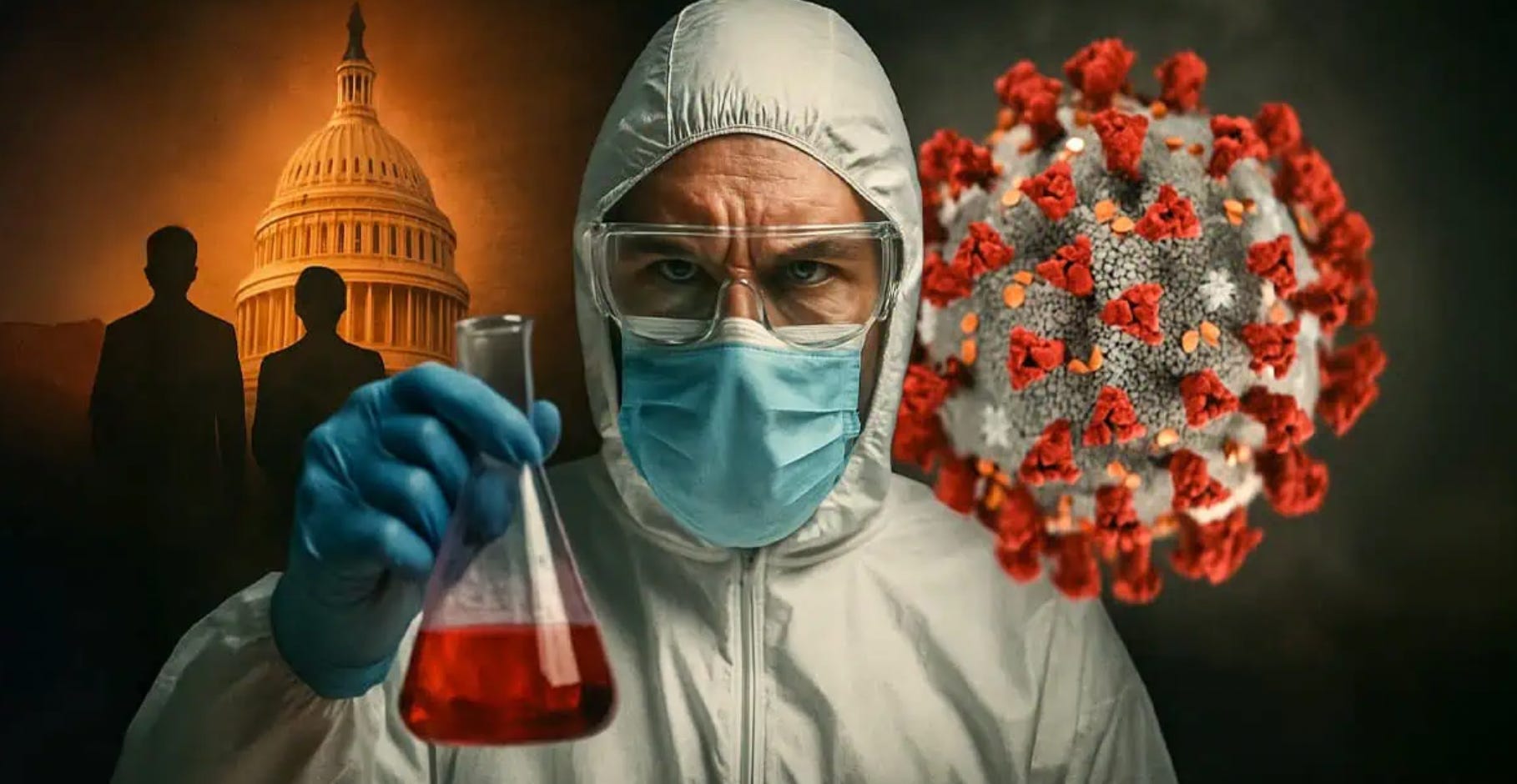
Dr. Andrew Huff, author of “The Truth About Wuhan”, sheds light on the murky origins of the COVID-19 pandemic and the controversial role of gain-of-function research. Rooted in his experience as a former vice president at EcoHealth Alliance, Dr. Huff raises critical questions about scientific ethics, government oversight, and the potential misuse of biotechnology, painting a troubling picture of a system rife with secrecy, financial incentives, and questionable motives.
Dr. Huff’s journey into the heart of the pandemic’s origins began with his recruitment by EcoHealth Alliance, an organization ostensibly focused on wildlife conservation to prevent the spread of infectious diseases. However, as he rose to the role of vice president, he uncovered a starkly different reality: the organization was heavily funded by national security and defense agencies, including DARPA, DHS, and the Department of Defense. This funding supported programs like PREDICT, which collected global samples to study infectious diseases. While marketed as a conservation effort, Huff found that the true purpose was to develop advanced biotechnology, including gain-of-function research, which enhances the pathogenicity or transmissibility of viruses. This research, conducted in collaboration with the Wuhan Institute of Virology, raises suspicions about the origins of SARS-CoV-2.
Huff highlights a disturbing lack of transparency and accountability, describing a system where classified projects, often redundant due to over-classification, were shielded from public scrutiny. At EcoHealth Alliance, under the leadership of Dr. Peter Daszak, financial motivations appeared to override scientific integrity. Huff recounts a chilling moment when Daszak laughed off questions about conservation spending, admitting that no funds had been allocated to the organization’s stated mission. This, coupled with Daszak’s alleged ties to the CIA, suggests that EcoHealth Alliance may have served as a front for intelligence operations, transferring biotechnology to China under the guise of scientific collaboration.
Conducted in substandard biosafety level (BSL-2 and BSL-3) facilities, gain-of-function research posed significant risks, as these settings lack the stringent controls needed for highly contagious pathogens, and the U.S. government’s continued funding of such work, despite known risks, could constitute criminal negligence. He speculates that the transfer of technology to the Wuhan Institute was a strategic move to infiltrate China’s bioweapons program, but this gamble backfired, potentially leading to the release of SARS-CoV-2. Whether the virus emerged accidentally or was deliberately released remains unresolved, but Huff leans toward an accidental leak from Wuhan due to inadequate biosafety measures.
To address this crisis, Huff proposes a radical solution: military tribunals under the Uniform Code of Military Justice (UCMJ). He argues that since the Department of Defense funded much of the research, key figures like Dr. Anthony Fauci and others involved should face prosecution through this system. Military tribunals, he contends, would bypass the inefficiencies of civilian courts, ensure access to classified information, and maintain order and confidentiality. This approach, modeled after the Nuremberg trials, would hold individuals accountable while protecting sensitive national security data. However, Huff acknowledges the complexity of assigning liability, given the global scale of the pandemic and the involvement of multiple actors, from pharmaceutical companies to government officials.
Huff also touches on the broader societal impact of the pandemic response, particularly the mRNA vaccines developed under Operation Warp Speed. While he views the rapid production of vaccines as a logistical success, he criticizes the suppression of alternative treatments, such as ivermectin, and the overlooking of safety signals, including cancer risks and batch contamination. The lack of informed consent and the mandating of vaccines for healthy populations, including the military, further eroded public trust. Huff’s call for accountability extends beyond the origins of the virus to the mismanagement of the pandemic response, which he believes has wasted trillions of dollars and caused widespread harm.
Dr. Andrew Huff exposes a web of secrecy, financial conflicts, and ethical failures surrounding the origins of the COVID-19 pandemic. His call for military tribunals reflects the magnitude of the crisis and the need for a decisive, transparent reckoning. As the world grapples with the pandemic’s aftermath, his insights underscore the urgent need for reform in scientific research, government oversight, and public health policy to prevent future catastrophes. For more information on Dr. Huff, follow him on X (@AGHuff) and visit his website at www.andrewhuff.com.