💡 What Is Meekness?
Meekness is the gentle and calm disposition of the soul that allows a person to endure insult, injury, and hardship without responding in anger. It is not weakness or passivity, but deliberate mastery of one’s passions — the control of strength through reason and love. Meekness ensures that justice and charity remain intact, even in moments of provocation.
This virtue moderates the passions, especially anger and irritability, allowing gentleness and patience to prevail. St. Thomas Aquinas describes meekness as a form of fortitude that “tempers the soul’s natural impulses to react with wrath, allowing reason guided by charity to govern emotional responses” (Summa Theologica, II-II, Q129).
Benignity expresses gentleness in communication; meekness governs our reactions. By mastering anger and channeling strength through charity, one imitates Christ, who “when he was insulted, returned no insult; when he suffered, he did not threaten; instead, he handed himself over to the one who judges justly” (1 Peter 2:23).
Practicing meekness allows one to navigate conflict with dignity, assert moral authority without aggression, and embody divine love in daily encounters. A meek person confronts wrongs without vengeance, calms heated situations, and fosters reconciliation — creating the peace where relationships can flourish.
Scripture exalts meekness: “Blessed are the meek, for they shall inherit the earth” (Matthew 5:5). This beatitude reveals that true power is expressed through humility, restraint, and right order of desire. Meekness harmonizes with forgiveness, patience, and humility, forming a cornerstone of social and spiritual unity.
Support this content This weeks episode is sponsored by the Crusader Rosary. Pray for virtue like the knights of old through the intercession of your mother.
The Social Catholic is a listener-supported podcast. To receive new posts and support our work, consider becoming a free or paid subscriber.
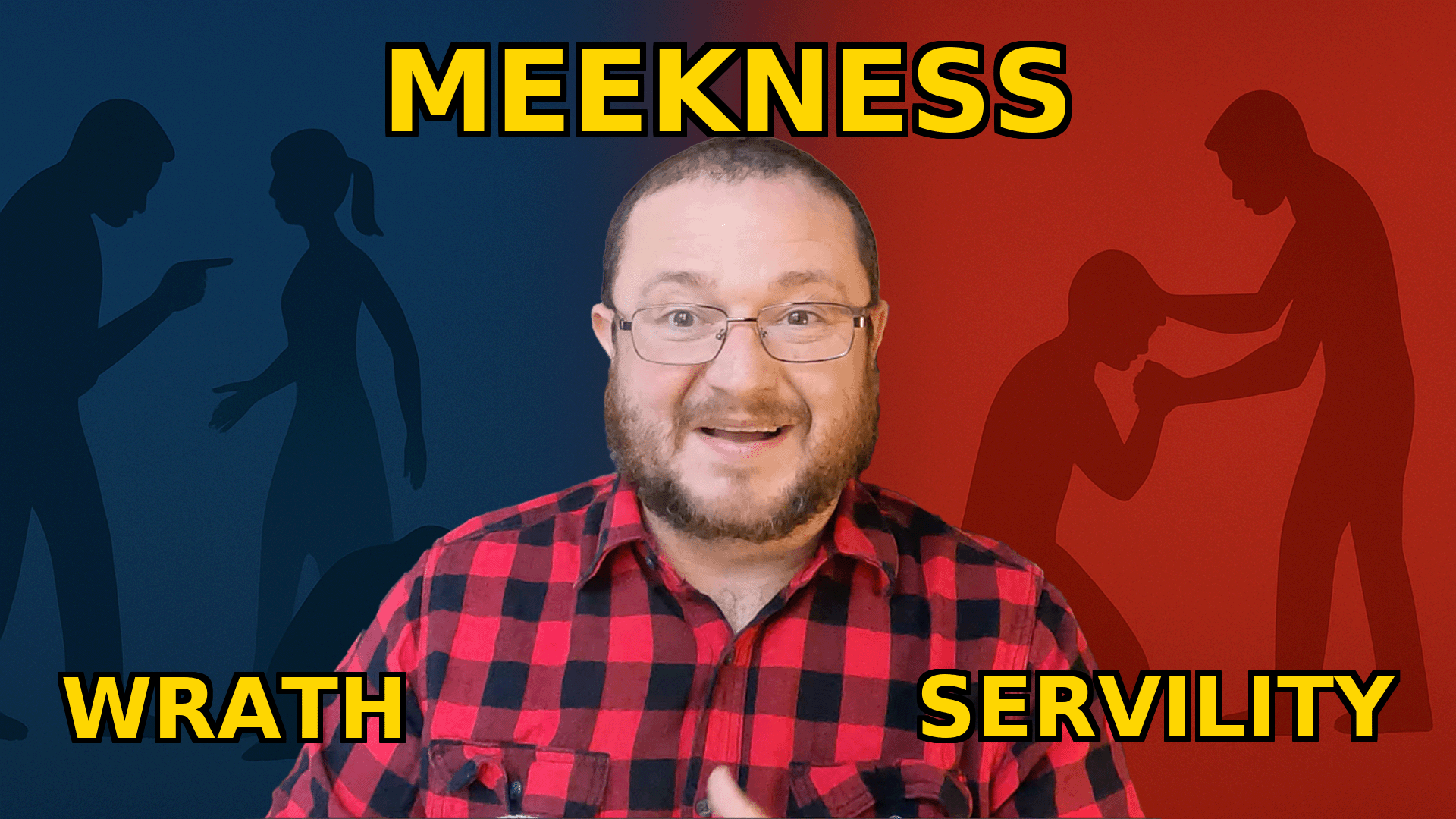
⚖️ The Vices That Distort Meekness
* Wrath (Ira) — uncontrolled anger or resentment, seeking revenge instead of reason. The wrathful soul burns with passion unruled by charity.
* Servility (Servilitas) — excessive subservience that sacrifices truth and moral courage to avoid conflict. Servility overcorrects, corrupting meekness by abandoning justice and dignity.
Between these extremes lies true meekness: strength held steady by love and guided by reason.
🧬 My Life
I’m mostly Irish, Scottish, and Scandinavian — a recipe for hot-blooded passion. Growing up, that fire often expressed itself as intensity and righteous anger. It isn’t always vice, but it leans toward wrath more than I’d care to admit. My challenge is rarely excessive meekness; it’s the temptation toward pride and wrath — the quick tongue, the sharp reaction, the instinct to win the moment instead of redeem it.
🌍 The Secular Perspective
Modern culture celebrates outrage. Anger is a currency that buys attention and applause. From politicians to pundits, wrath has become our default emotional setting. We live in a world that rewards the loudest voice, not the most disciplined one.
At the same time, society misunderstands meekness — mistaking it for servility or timidity. Jesus was not sheepish before Pilate; He was strength under restraint, moral courage guided by divine purpose. True meekness is not silence before evil; it is peace in the presence of provocation.
🌿 Saint Example — St. Francis de Sales
St. Francis de Sales (1567-1622) embodies meekness through the perfect balance of gentleness, patience, and firmness. He showed that meekness is not weakness but power guided by love. In his ministry, he corrected and instructed without anger, blending conviction with compassion.
Even amid opposition, he spoke with calm clarity and humility. His Introduction to the Devout Life teaches that meekness is accessible to everyone — not just mystics or clergy — and that gentleness in daily life is a path to holiness. Through him we see that true gentleness arises from reason, humility, and love, transforming anger into charity and discipline into spiritual strength.
💬 Tell Me What You Think
Share your reflections in the comments. I’ll feature your insights in future episodes when guests join us to explore each virtue in depth.
✝️ Act of Virtue
O, my God, I am aware of my disordered passions and restrain my impulsive desires to lash out at perceived offenses. I will seek to model your meekness before Pontius Pilot. I will control my words and my actions when I am tempted to wrath. I will allow reason guided by charity to govern my emotional responses, and confront wrongs without resorting to vengeance. I will calm heated situations, foster reconciliation, and create environments where relationships and community bonds can flourish. Amen.
🕊 Prayer
Lord, bless us with faith, hope, love, prudence, temperance, fortitude, and justice that we may live as you intended man to live, in all virtue and righteousness. Help us to flee from sin and avoid all temptations of the world, the flesh, and the devil. Protect us with a spiritual hedge in front of us, behind us, above us, below us, to our right, and to our left, within us and all around us, and seal it with the blood of your precious Son, our Lord Jesus Christ. Help us to keep you in everything that we think, say, and do. Amen.
Follow us on Social Media and other podcast networks: