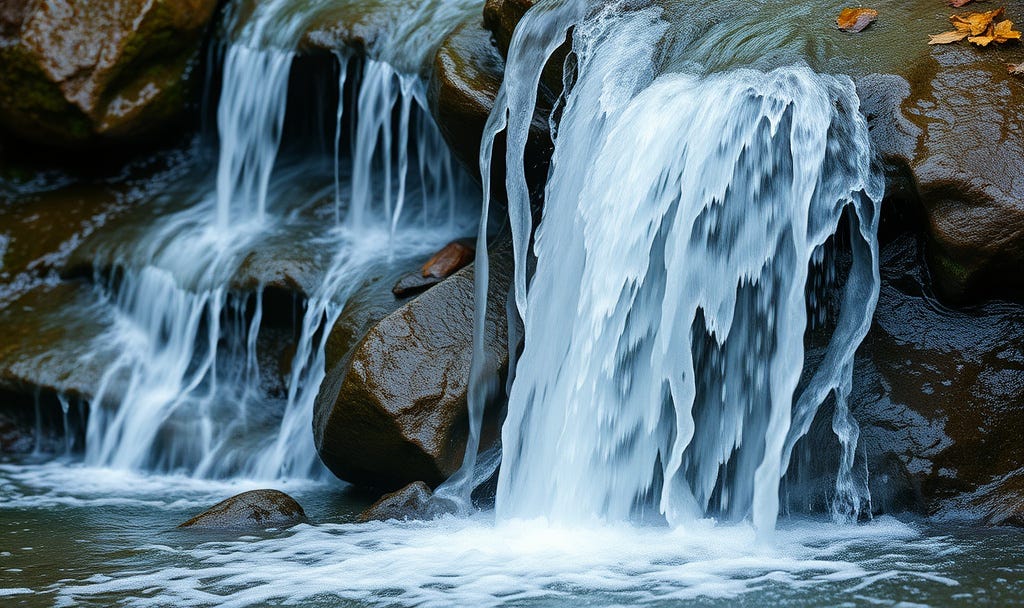
Scripture: Psalm 104:10-16
God makes springs pour water into the ravines; it flows between the mountains.
They give water to all the beasts of the field; the wild donkeys quench their thirst.The birds of the sky nest by the waters; they sing among the branches.
He waters the mountains from his upper chambers; the land is satisfied by the fruit of his work.
He makes grass grow for the cattle, and plants for people to cultivate—bringing forth food from the earth: wine that gladdens human hearts, oil to make their faces shine, and bread that sustains their hearts.
The trees of the LORD are well watered, the cedars of Lebanon that he planted.
Consider:
My husband is a seventh grade science teacher, which means he is somewhat of an expert on the water cycle. He throws around words like “transpiration” and “cumulo-nimbus cloud strucutres” on a fairly regular basis, mostly to impress our kids with the multi-syllable words. It’s all very “cool” and very “science-y” and all pretty much makes me roll my eyes and try to steer the conversation back to normal, more fun, topics.
Our modern understanding of the mechanics of the water cycle hides some of its wonderment. The Psalmist writes in awe and amazement at the way water bubbles up from the ground, filling rocky ravines dry from years of drought. The Psalmist finds it almost unbelievable how the rain falls from the clouds, “God’s upper chambers”, quenching the thirst of the dry land until it is satisfied. Even the trees are well watered and the cows fattened on lush grass all because of the water cycle. The author seems surprised and amazed.
So often, we forget to be thankful for the many gifts we have from God - maybe because they have become so ordinary. Coloring in the stages of the water cycle in our boring middle school science class has eliminated for many of us the wonder we once had as children who splashed in muddy puddles every time it rained. What would happen if we stopped over-thinking and over-analyzing the world in order to just celebrate it?
The way the sun comes up each day is both routine and wonderful. The wind blowing through the trees is both common and beautiful. The grass under our feet is both ubiquitous and comforting. If we can approach each day, and each other, with wonderment, maybe we can also learn not to take each other for granted. Maybe we can learn to give thanks for God’s amazing work, setting the water cycle into motion. Maybe we can see the possibilities in the every day.
Respond:
When you go outside today, take a look at the area around you, the everyday things you take for granted. Pick one of those common sights and take a moment to give thanks to God, naming something you appreciate or admire about that item. See how many times you can notice the amazing in the mundane, learning to have eyes to see what can be underneath of the what is.
Pray:
God, we do not always appreciate your amazing work, because it has become so common for us to see and hear, touch and taste. Help us to remember with the amazement of a child the miraculousness of each ordinary day. Amen.