In 1976, if you were a rock star accused of being “soft” or “lightweight” (talking about Paul McCartney here), you didn’t send a strongly-worded letter to Rolling Stone or call a press conference. Nope—you released “Silly Love Songs.” Macca took every sneering critique about his “sentimental granny music,” wrapped it up in a massive, shimmering disco ribbon, and dropped the whole glorious package right on the faces of his haters. 💥 The result wasn’t just a hit; it was pure, unadulterated, solid-gold demolition. This song absolutely dominated 1976, spending a colossal five non-consecutive weeks at #1 on the Billboard Hot 100, achieving Gold certification for over a million copies sold, and landing as the #1 pop song in Billboard’s Year-End Charts. In a feat of pure rock and roll pettiness, McCartney became the first person in history to snag a Year-End No. 1 with two distinct acts (The Beatles and Wings). “Silly Love Songs” is less a romantic ballad and more a joyful, defiant thesis statement delivered at maximum volume with a killer bassline. 🏆
The Revenge Backstory 😤
The genesis of this pop masterpiece was rooted in profound artistic frustration—and let’s be honest, a hefty dose of spite. For years after The Beatles split, McCartney was subjected to relentless critical snobbery, often led by the barbed remarks of his former songwriting partner, John Lennon, who felt Paul had gotten too soft, too cuddly, too nice. The general complaint? Paul’s work was too domestic, too melodic, and drowning in “sentimental slush.” 🙄
Paul’s response was beautifully simple:
“You’d think that people would have had enough of silly love songs / But I look around me and I see it isn’t so.”
This lyric isn’t just a chorus; it’s a direct, hilarious challenge to the high-minded elite who thought rock music should only be about politics, angst, or trippy philosophical meanderings. As McCartney explained, the track was intended “to answer people who just accuse me of being soppy,” arguing that since love is a universal human need—and he was “lucky enough to have that in my life”—writing about it is a perfectly valid (and wildly profitable) artistic mission. By cheekily adopting the label “silly,” he brilliantly robbed the critics of their primary weapon, essentially saying, “Yeah, I write love songs. What of it?“ 😂
The Musical Flex 💪🎶
McCartney made sure that even the most cynical critic couldn’t dismiss the music as technically simple or dumbed-down. Far from trivial, “Silly Love Songs” is a funk and rhythm masterpiece, specifically designed to showcase serious instrumental chops. The song is carried by one of the most famous bass lines in pop history—a sophisticated, syncopated tour-de-force played by McCartney himself, utilizing the full range of the instrument in a highly melodic and rhythmic manner. This display of instrumental prowess directly countered any notion that he’d devolved into simple, three-chord pablum.
The track also showcases an extensive, almost giddy use of counterpoint, with overlapping vocal parts from Paul, Linda, and Denny Laine creating a dense, beautiful texture reminiscent of The Beach Boys’ critically adored “God Only Knows.” The layered harmonies and the inclusion of an ad-hoc horn section (who were famously allowed to arrange their own parts—talk about jazz confidence!) cemented the track as a complex, multi-layered piece of sonic warfare aimed directly at the people who called his work simplistic. It’s basically Paul saying, “You want complexity? Here’s your complexity, wrapped in a melody your mom can hum.” 🎺✨
This essay continues below. Click on the title of this product to view on Amazon. As an Amazon Associate, I earn from qualifying purchases.
The Victory Lap 🏁🎉
The overwhelming success of the single proved to be the ultimate final word—the mic drop heard ‘round the world. The song’s massive commercial triumph was so undeniable that it forced critics to acknowledge its brilliance, even if begrudgingly. While some, like Robert Christgau, still sniffed that it was “charming if lightweight” (oh, Robert), others like Stephen Holden recognized the artistic move for what it was, calling the track “a clever retort whose point is well taken.”
The power of the song lies in its ability to deliver an immensely sophisticated arrangement—complete with its driving bass, lush counter-melodies, and pure 70s disco-funk swagger—all while insisting on the purest, most uncomplicated lyrical theme: love is good, actually. This combination allowed McCartney to have his cake, eat the whole damn thing, and get a second slice for the road, confirming the value of sentimentality through the undeniable language of the Billboard charts. Money talks, critics walk. 🤑💰
Where Is It Now? 🤔
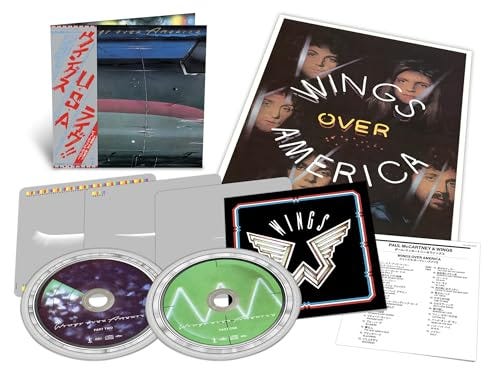
Despite its record-breaking success and its inherently groovy nature (McCartney noted the “good bass line” that “worked well live”), “Silly Love Songs” has largely faded from his modern concert setlists. This absence is generally attributed not to any disdain or embarrassment, but to the evolution of his touring focus. On stage today, McCartney prioritizes Beatles classicsand his biggest solo anthems that require less specific instrumentation or vocal arrangement to recreate that Wings sound. While the song was a staple of the Wings era (think “Wings Over America”), its unique, multi-layered vocal counterpoint and specific 1970s vibe make it harder to seamlessly integrate into his current band’s diverse setlist, which often leans toward a more guitar-driven rock aesthetic.
Today, the song is viewed by many fans as a nostalgic favorite—a brilliant time capsule of the disco era and a testament to McCartney’s uncanny ability to write an enduring hook that burrows into your brain and refuses to leave. Modern critics, having shed the baggage of the Beatles breakup drama, are far kinder to the track, now recognizing it as the cheeky, structurally complex pop artifact it always was. It’s held up as a fascinating case study in artistic self-defense and a masterclass in petty excellence. 🕰️✨
The Final Word 🎤
In the end, McCartney didn’t just write a song; he authored a compelling argument for his entire post-Beatles career. By achieving his all-time biggest Hot 100 single while defending his right to write about love, he turned the critical consensus on its head and gave it a good shake for fun. The whole affair became a grand joke where Paul McCartney laughed all the way to the top of the charts, using the very thing his critics hated—unapologetic sentimentality—to squash them under a pile of gold records and an incredibly groovy bassline.
And for that, we can all raise a glass of bubbly and say: Thanks, Paul. You magnificent, petty genius. 🥂🎸